
Beds
Furniture of America
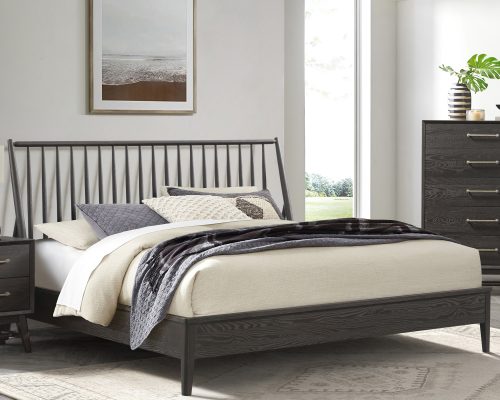
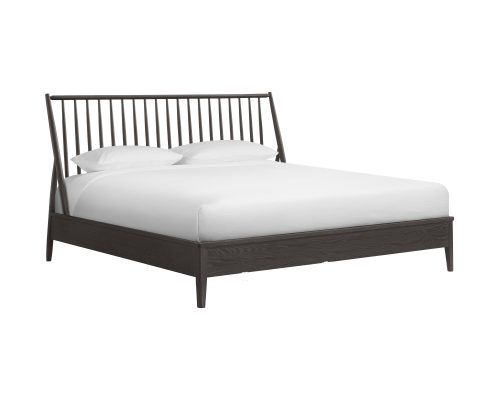
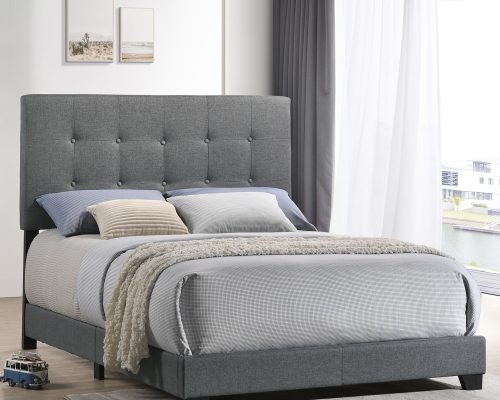
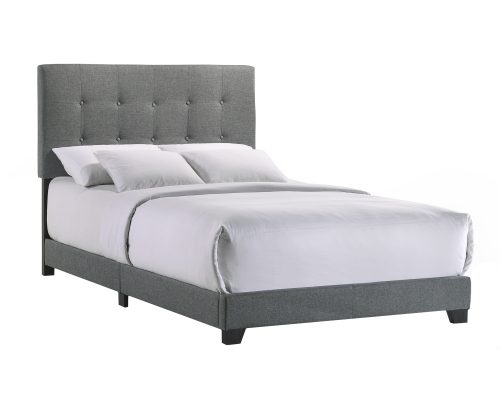
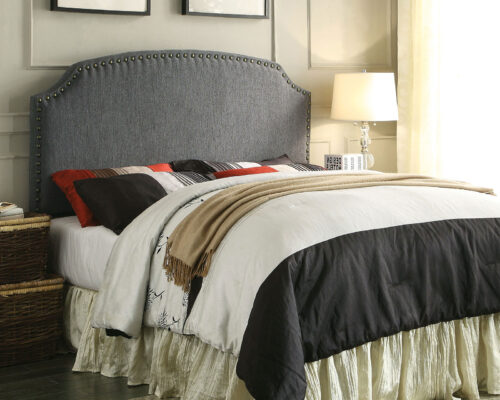
Furniture of America Hasselt Transitional King Size H/B, Gray -K/D Leg
Furniture of America
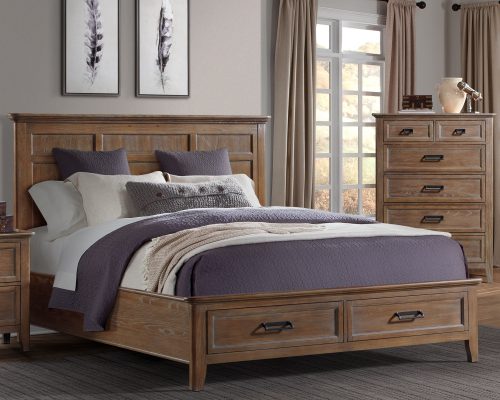
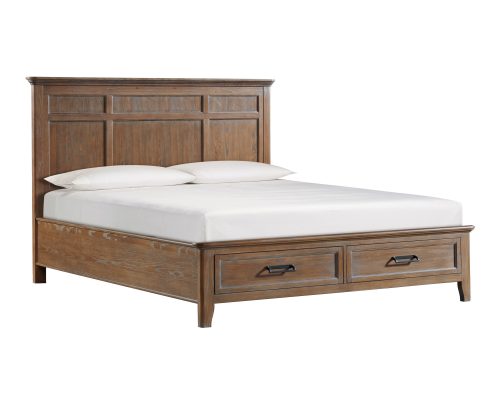
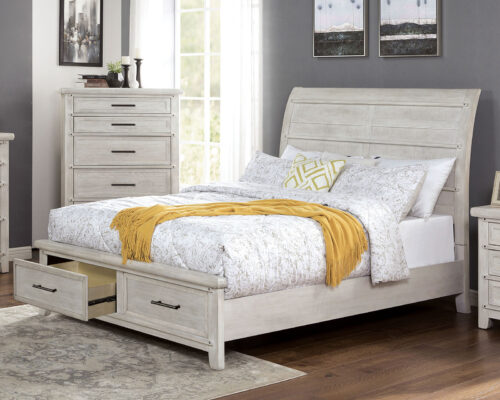
Furniture of America Shawnette Transitional Solid Wood Antique White Bed

Furniture of America
Furniture of America Tawana Transitional Solid Wood Warm Gray/Beige Bed
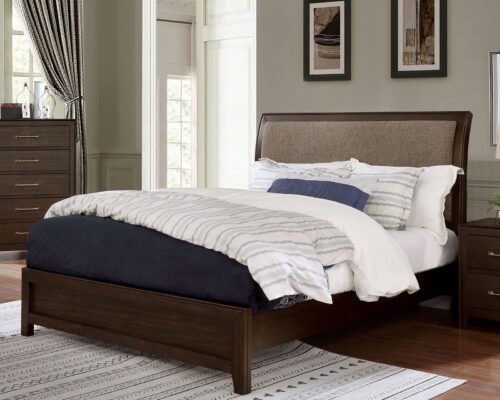
Furniture of America
Furniture of America Jamie Walnut/Light Brown Curved Upholstered Headboard Bed
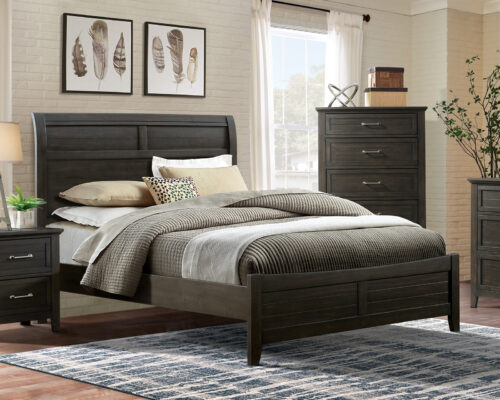
Furniture of America
Furniture of America Alaina Transitional Solid Wood Walnut Bed
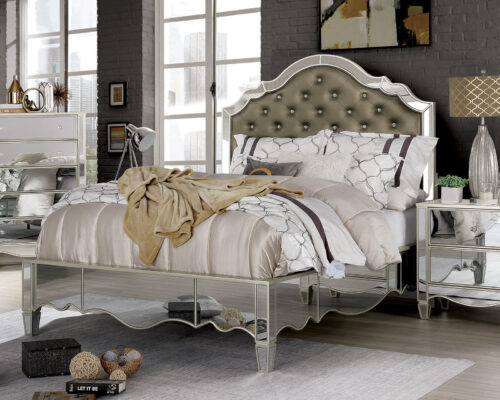
Furniture of America
Furniture of America Eliora Glam Silver Button Tufted Padded Headboard Bed
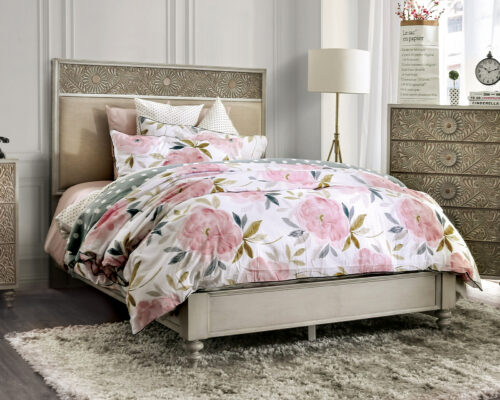
Furniture of America
Furniture of America Jakarta Transitional Solid Wood Antique White/Beige Bed
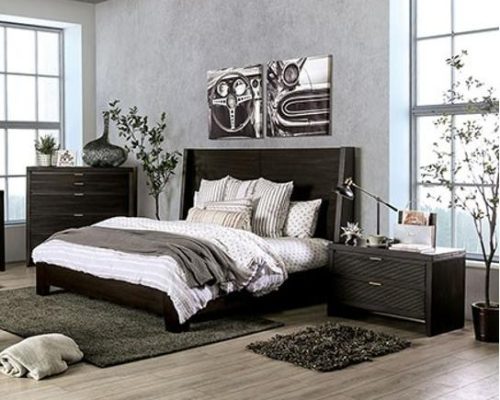
Furniture of America
Furniture of America Laurentian Contemporary Solid Wood Dark Walnut Bed
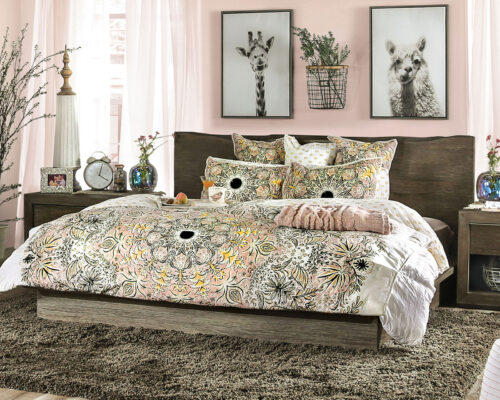
Furniture of America
Furniture of America Bridgewater Transitional Solid Wood Light Walnut Platform Bed
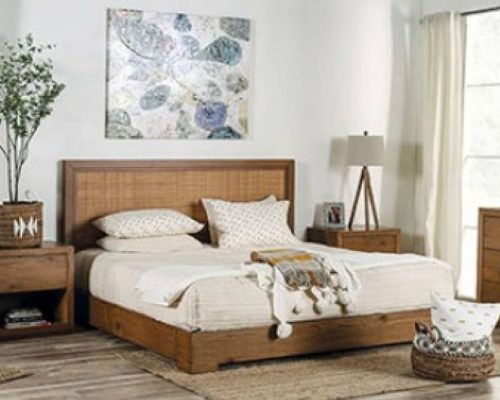
Furniture of America
Furniture of America Leirvik Transitional Solid Wood Light Walnut Bed

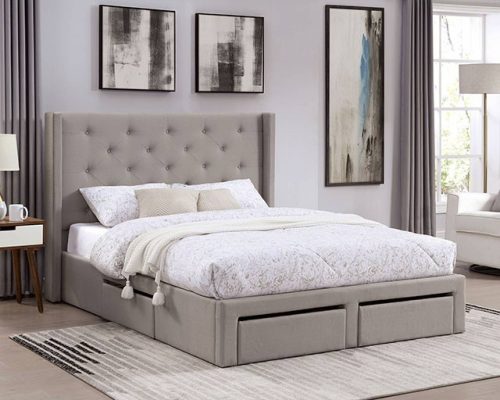
Furniture of America
Furniture of America Mitchelle Contemporary Fully Upholstered Frame Bed
Furniture of America
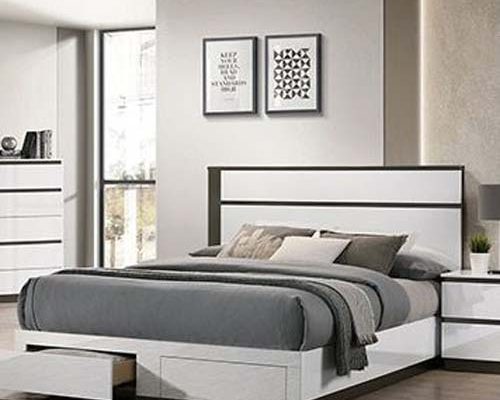
Furniture of America Birsfelden Contemporary Solid Wood White/Metallic Gray Drawers Bed
Furniture of America
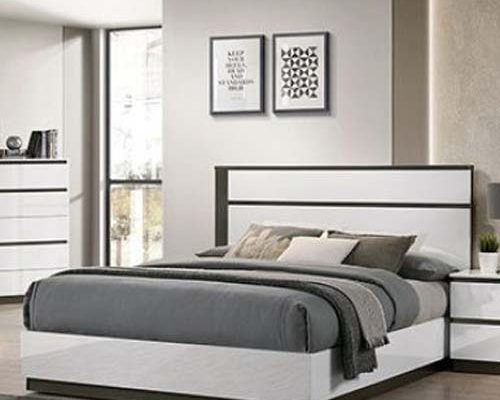
Furniture of America Birsfelden Contemporary Solid Wood White/Metallic Gray Bed
Furniture of America
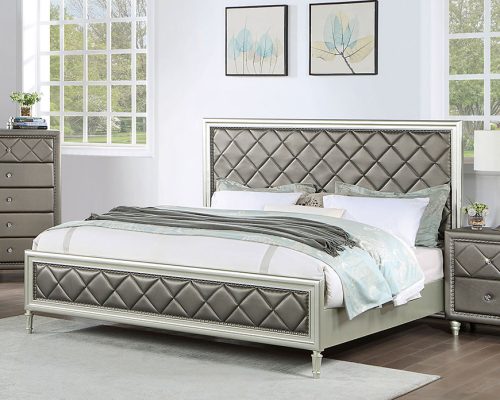
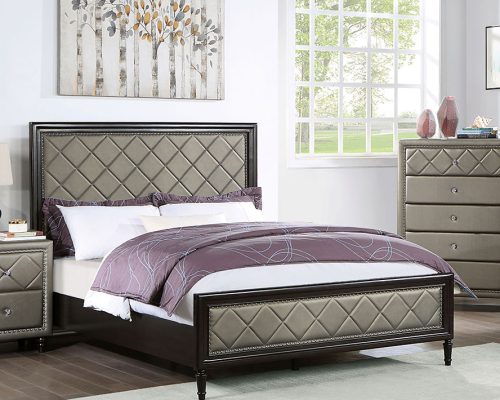
Furniture of America Xandria Transitional Solid Wood Padded Leatherette Headboard Bed
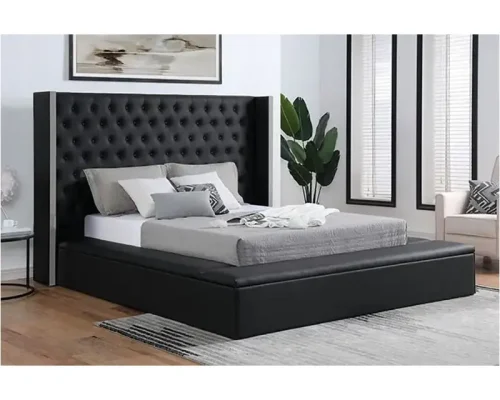
Furniture of America
Frequently Asked Questions
A bed frame is the structural support system that holds the mattress and box spring — it can be basic metal or an upholstered or wood construction with a headboard. A platform bed has a low-profile solid or slatted base that supports a mattress directly without requiring a box spring, typically sitting lower to the ground. A panel bed is a traditional-style bed featuring a solid headboard and footboard panel connected by side rails — it generally requires a box spring and gives the bedroom a more formal, substantial appearance.
It depends on the bed type. Platform beds with solid or slatted bases support a mattress directly and do not require a box spring. Traditional panel beds and standard bed frames with open rails typically require a box spring or foundation for mattress support. Always check the product description for compatibility — using a mattress without the correct support can void your mattress warranty and cause premature sagging. If in doubt, contact Carefree Home Furnishings before purchasing.
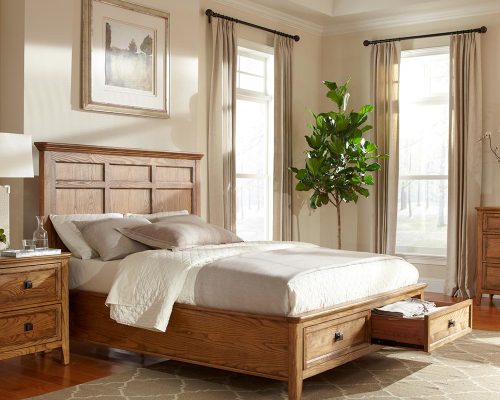
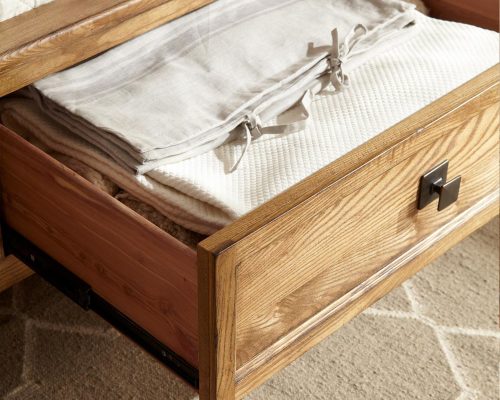
A storage bed incorporates drawers or lift-up access to the space beneath the mattress platform, turning otherwise wasted floor space into functional storage. Storage beds are particularly valuable in smaller bedrooms or rooms with limited closet space — they are ideal for storing off-season clothing, bedding, and other infrequently needed items. Key bedroom furniture essentials include a solid-wood bed with sturdy slats, a dresser with deep drawers, two nightstands with closed storage, a storage bench at the foot of the bed, and a tall chest if closet space is limited. A storage bed can replace the need for a separate chest in tight rooms.
An upholstered bed features a fabric or leather-covered headboard and sometimes a footboard, offering a softer, more luxurious visual and tactile quality — popular in glam, contemporary, and transitional bedroom styles. A wood bed uses a solid or veneered wood frame, offering durability, the ability to refinish over time, and a warmer, more traditional or rustic character. The right choice depends on your bedroom’s style direction and how long you want the piece to remain relevant as your tastes evolve.
Twin (38″ × 75″) suits kids’ rooms and small guest rooms. Full (54″ × 75″) works for older kids and single adults. Queen (60″ × 80″) is the most common adult size, comfortable for couples and fitting most standard bedrooms. King (76″ × 80″) provides maximum sleep space but requires a larger room. California King (72″ × 84″) is longer than a standard king and narrower — designed for tall sleepers. Choose based on who is sleeping in the bed and how much floor space remains after the bed is placed with adequate clearance on each side.
Plan for at least 24-30 inches of walking space on each side of the bed. This allows comfortable access for making the bed, moving around the room, and opening drawers on nightstands without feeling cramped. In a small bedroom, prioritise clearance on the sides over the foot of the bed — the side clearance is more functionally critical for daily movement. If a king bed leaves less than 24 inches of space on each side, consider a queen instead.
A bunk bed stacks two sleeping surfaces vertically, with one bed above the other accessed by a built-in ladder. Standard twin-over-twin configurations are the most common and suit younger children sharing a room. Twin-over-full configurations give the bottom bunk more room — suitable for older children or teenagers. Some models include a full-width trundle that pulls out from beneath the lower bunk, adding a third sleeping surface at ground level for sleepovers. Bunk beds are generally recommended for children 6 years and older due to safety considerations around upper bunk access.
A daybed is a bed frame designed to function as both a sofa and a sleeping surface — it typically uses a twin mattress and has side and back rails that allow it to sit against a wall and be used for seating during the day. Daybeds are ideal for small guest rooms, home offices that double as guest rooms, or children’s rooms that need flexible use of floor space. Many daybeds come with a trundle that stores beneath the frame and pulls out to provide a second sleeping surface for guests.
Headboards come in several broad categories. Panel headboards use a flat solid surface — wood or upholstered — and suit traditional and transitional bedrooms. Tufted headboards use button or diamond tufting in upholstery for a glam or formal look. Bookcase headboards incorporate shelves for storage and suit functional or casual bedrooms. Slatted and cane headboards offer a relaxed, natural aesthetic for coastal or bohemian spaces. The headboard should be proportional to the bed width — ideally the same width or slightly wider — and complement your room’s style direction without overwhelming the space.
A bedroom set includes multiple coordinated pieces, usually a bed, nightstands, and a dresser or chest. Choosing a set can simplify the design process since all the furniture is already matched in style, finish, and scale. Buying the bed alone gives you more flexibility to mix styles, keep existing pieces, or add storage at your own pace — but it requires more effort to ensure new pieces coordinate well. A simple rule: if the room is rectangular and roughly standard-sized, a set is faster, cleaner, and usually a better value. If the room is unusual, or you already own pieces you want to keep, build the room piece by piece.