
Stylish Buffets & Sideboards That Keep Your Dining Space Effortlessly Organised
Give your dining room a fresh sense of order and style with our beautiful dining room sideboards and buffets. They’re perfect for keeping your dinnerware and linens neatly stored, while also offering extra space to lay out food when you’re entertaining. Whether you want a large, eye-catching sideboard to be the centerpiece of the room or a smaller piece that fits just right, you’ll find plenty of options to suit your space. From modern, clean designs to classic, timeless looks, our collection brings more than storage, it adds warmth and character to your dining area. These sideboard buffet cabinets help keep your space organized without losing that welcoming, lived-in feel.
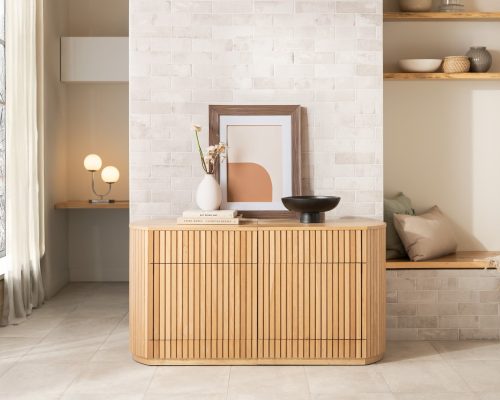
Buffets & Sideboards
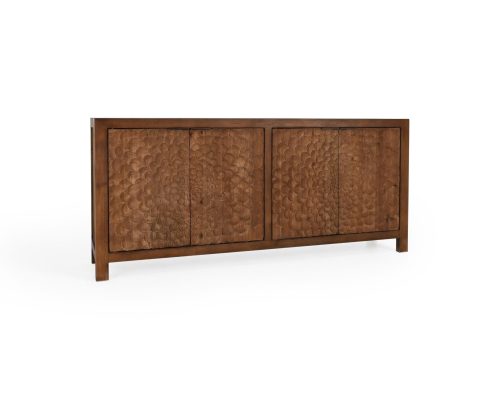
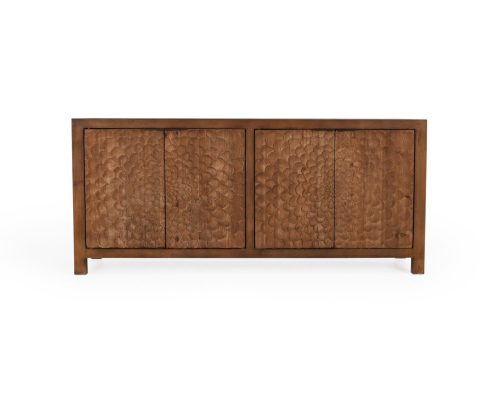
Buffets & Sideboards
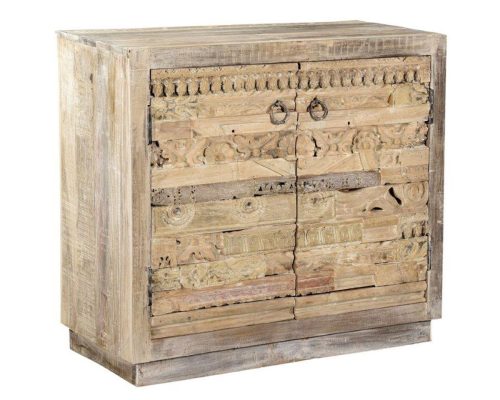
Buffets & Sideboards
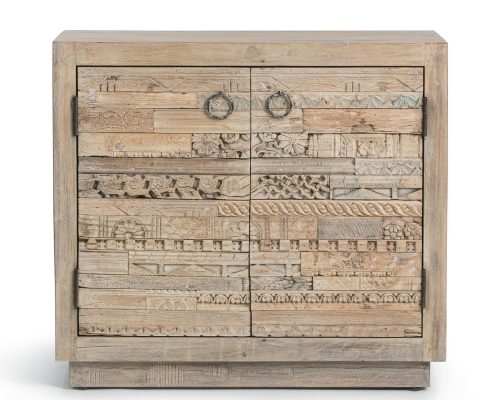
Classic Home Alta 2 Door Carved Panel Sideboard Butterwood Blend
Buffets & Sideboards
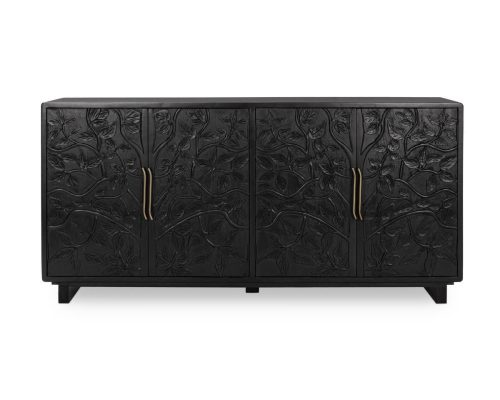
Buffets & Sideboards
Buffets & Sideboards
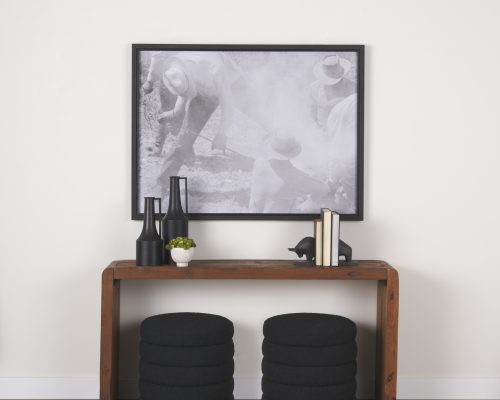
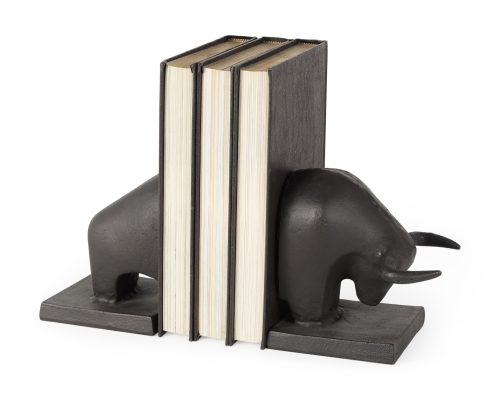
Mercana Tauro III (Set of 2) 10L x 5W Black Cast Aluminum Raging Bull Bookends

Buffets & Sideboards
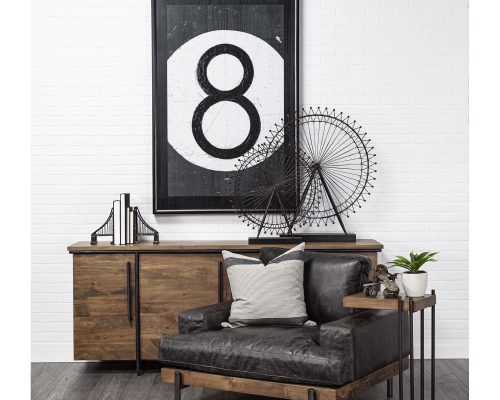
Mercana Suspension Set of 2 19L x 4W Brown Wrought Iron Suspension Bridge Bookends

Buffets & Sideboards
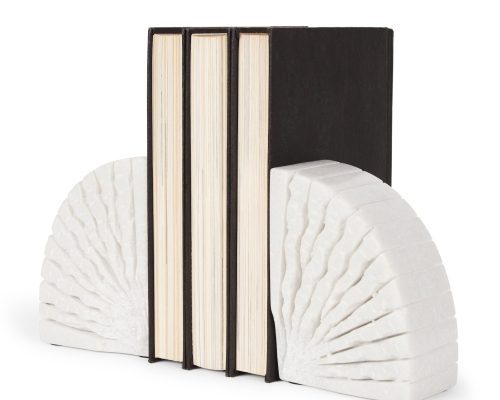
Mercana Stept White Marble Bookends w/rough carving (set of 2)

Buffets & Sideboards
Buffets & Sideboards
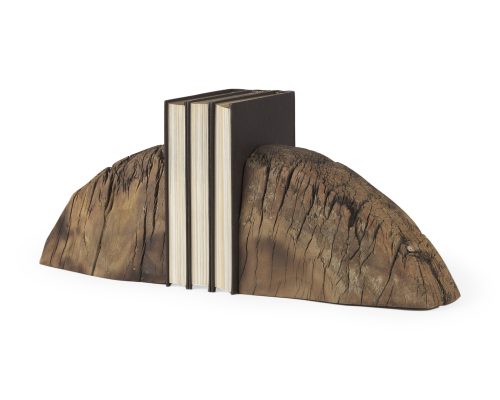
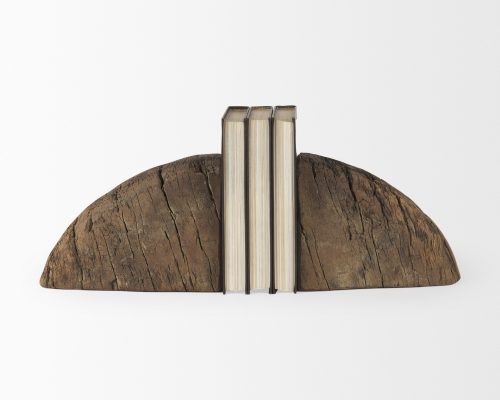
Buffets & Sideboards
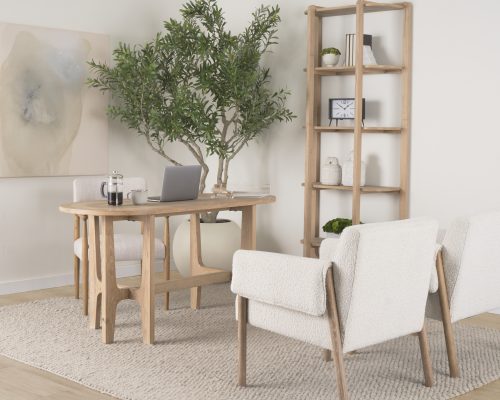
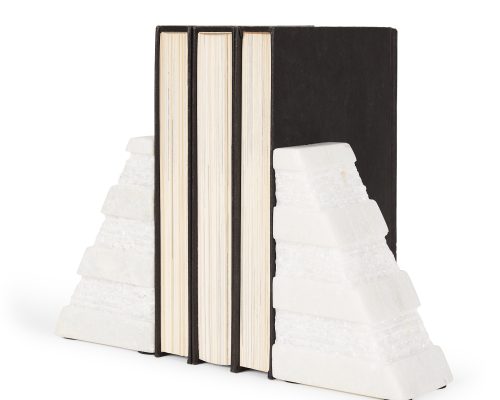
Buffets & Sideboards
Buffets & Sideboards
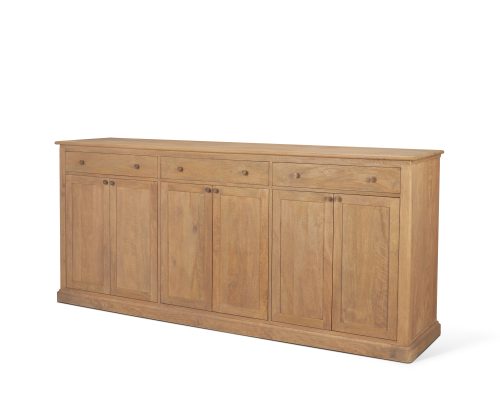
Mercana Baron Light Brown Solid Wood w/ Antiqued Brass Knobs 3-Drawer 6-Door Sideboard

Buffets & Sideboards
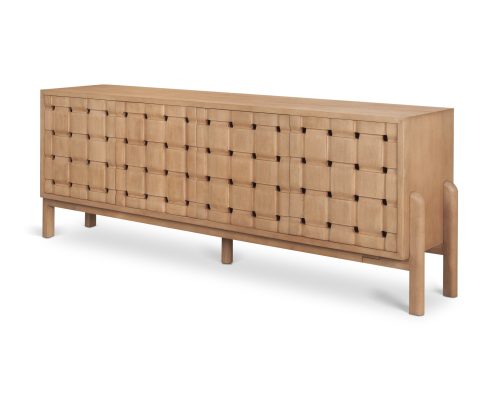
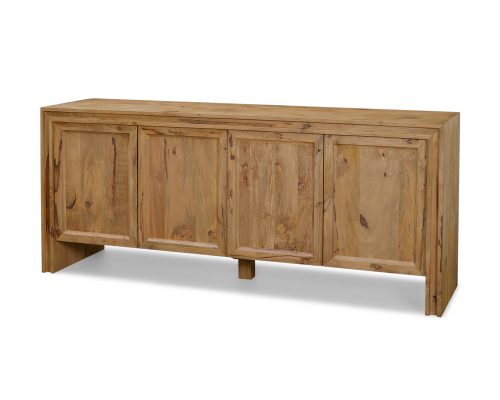
Mercana Trellyn Solid Wood 4-Door Sideboard with Carved Woven Doors

Buffets & Sideboards
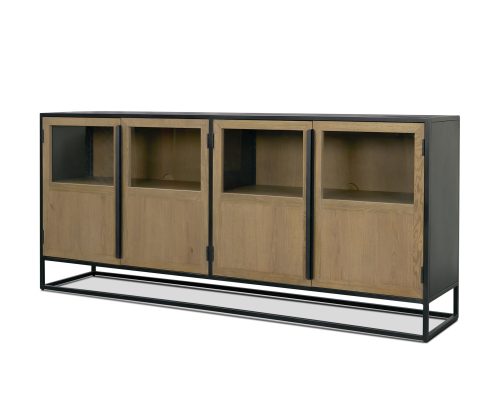
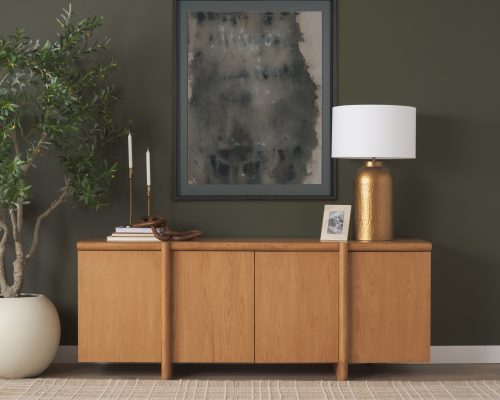
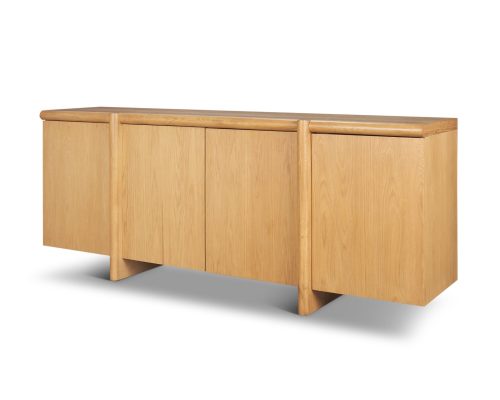
Mercana Sloan 80″ Light Brown Wood W/Black Metal Frame Sideboard
Buffets & Sideboards

Buffets & Sideboards

Buffets & Sideboards
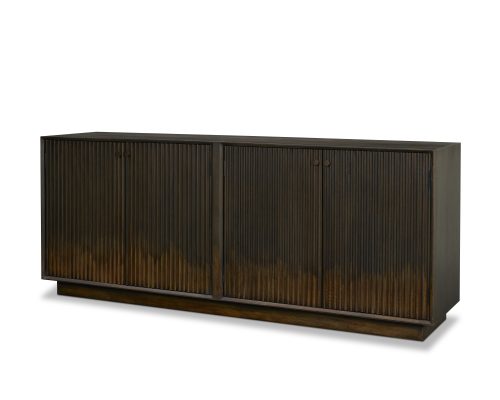
Mercana Cinder Distressed Dark Brown Wood Reeded 4-Door Closed Sideboard


Frequently Asked Questions
A sideboard is a flat-topped storage piece traditionally placed against a dining room wall, typically featuring drawers, cabinets, and sometimes open shelves, standing 30-36 inches high. A buffet is functionally very similar but often has taller, thinner legs that raise the storage cabinet higher off the ground, standing 34-38 inches high. In practice, furniture retailers use “sideboard” and “buffet” interchangeably — the distinction rarely matters for everyday shopping purposes.
An average buffet is around 60 inches long, and that length typically works best with a dining table that is the same length or longer. For visual balance, target a sideboard length equal to 60-75% of the dining table length — if the table is long or has a pedestal base, test 65-70% for finer balance. A 48-inch table generally calls for a more modest sideboard rather than a full 60-inch piece, which can feel oversized against a smaller table
Keep at least 36 inches minimum between the dining table edge and the sideboard, pushing toward 42-48 inches if it sits on a high-traffic route. Verify at least 30 inches of front clearance so people can move while serving and clearing, and confirm the sideboard’s depth won’t interfere with your dining chairs’ pull-back zone — a common and easily avoidable mistake.
Sideboards under 30 inches disrupt visual balance and can appear disproportionate, resembling misplaced TV consoles rather than dining furniture. For art display, choose 30-34 inches high to leave generous wall space for mirrors or artwork above. For storage priority, consider 34-40 inch units, though these read more like hutches or cabinets. Match or slightly exceed your table height — 30-36 inches — for the most comfortable buffet-style serving.
Keep depth between 16 and 20 inches so doors and drawers open without blocking seating; choose 20-24 inches when extra storage is needed for oversized platters or bulkier items. Deeper pieces hold larger platters, but they may interfere with chair clearance, so if your dining chairs sit close to the wall, prioritise a slimmer-depth piece with drawers over one with deep swing doors.
Sideboards and buffets are designed for storage and offering a serving area or display space, used to serve food from the side and store dishes and other household items. Common uses include china and everyday dishware, linens and table runners, flatware, serving platters and trays, and overflow kitchen items. The combination of closed cabinet storage and open surface space makes a sideboard one of the most functional pieces in a dining room.
Drawers are generally easier to access and organise — they’re ideal for flatware, linens, and smaller items you reach for often. Cabinet doors offer more flexible interior storage for larger items like serving platters or bulky dishware, but require more clearance to open fully. If your dining room is compact and chairs sit close to the wall, prioritise drawers over deep swing doors, or look for a slimmer profile that still offers length.
Yes — a sideboard works well beyond the dining room, in living rooms, foyers, or offices, and sideboards are the most travel-friendly of dining storage pieces, fitting naturally in dining rooms, living rooms, entryways, and hallways. If you move homes often or want furniture flexibility, a sideboard is a safer investment than a built-in or highly specialised dining piece because it adapts to multiple rooms over time.
Look for a sturdy case that doesn’t rack or wobble when you pull a drawer — stable joinery and well-fitted doors are the difference between a piece that feels solid for years and one that starts to drift out of alignment. Check how stable the piece is and whether it can withstand the weight of the items you intend to store, and check the finish for scratch-resistance, water-resistance, and heat-resistance. For finishes, high-gloss looks striking but shows fingerprints quickly, while matte and textured finishes are more forgiving in daily use.
Choose a sideboard height of 30-34 inches if you want generous wall space above for a mirror or artwork. Leave breathing room between the top of the sideboard and the bottom of the mirror or art piece — typically 4-8 inches — so the arrangement doesn’t feel stacked or cramped. The width of your mirror or art should generally be slightly narrower than the sideboard itself, keeping the overall composition visually grounded rather than top-heavy.