
Pendant Ceiling Lights for Focused Illumination
There’s a specific kind of warmth you only get from pendant lighting. Because they hang lower, pendant ceiling lights create an “island” of light that makes a space feel much more personal. We love them over a kitchen bar, a desk, or even as bedside lamps. It’s a way to add style at eye level. Our collection includes everything from industrial glass to woven natural textures. They’re easy to install and have a massive impact on the overall feel of your kitchen or living area.
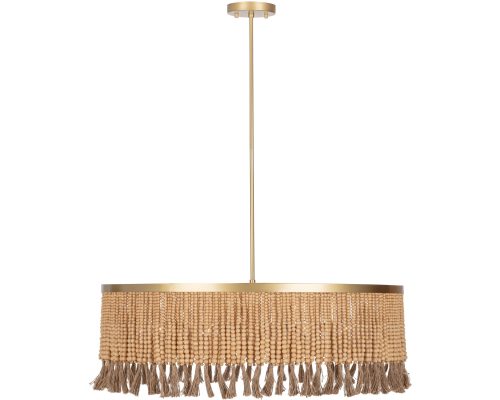
Classic Home


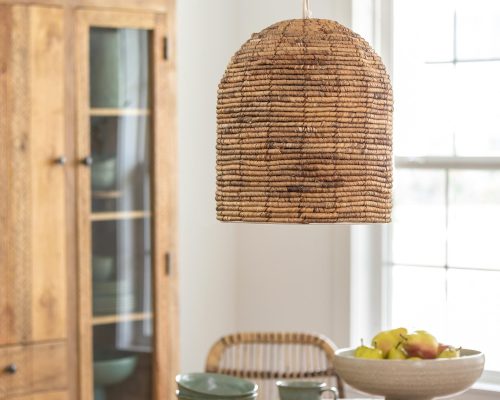

Park Hill
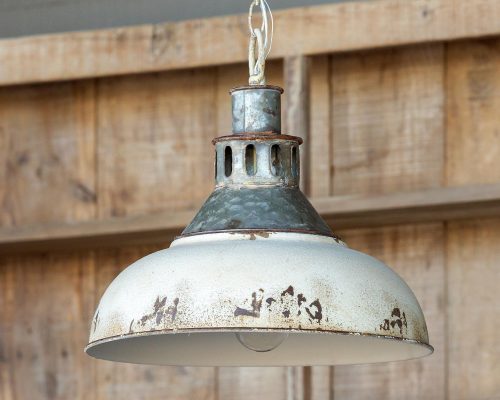
Park Hill
Park Hill
Furniture of America
Frequently Asked Questions
No — only a handful are. Most of the collection leans toward natural and warm tones: white-washed wood, cotton rope, cane, seagrass, jute, and antiqued gold, alongside a smaller number of true black iron and matte black fixtures.
There’s real variety here: woven natural materials like cane, seagrass, and jute; blown glass; hammered and mesh metal; and painted iron. If you want a specific look — industrial, coastal, glam — filtering by material is more useful than filtering by color alone.
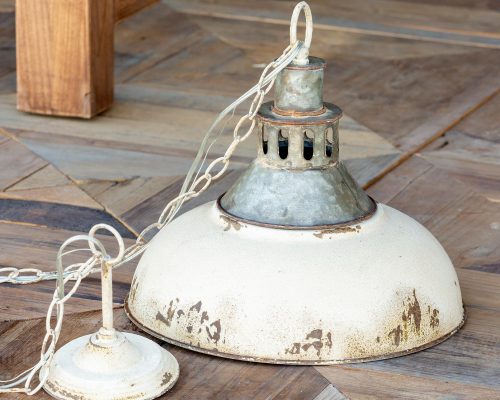
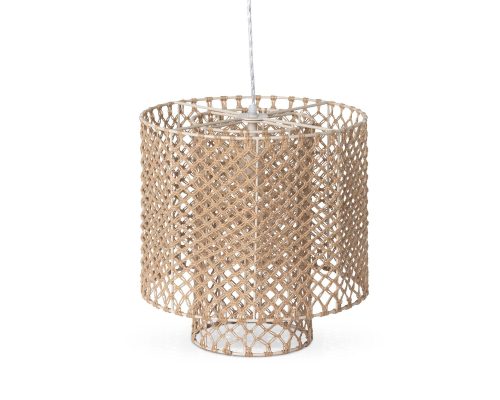
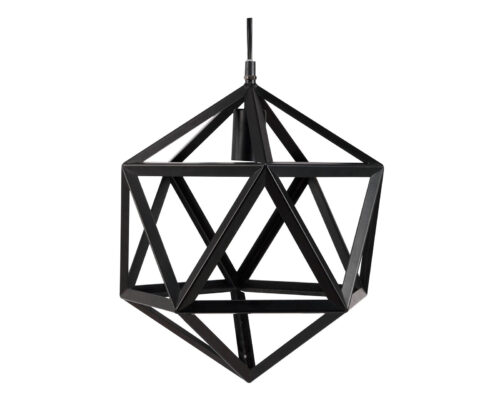
Mercana makes up most of the collection and spans the widest style range, from woven natural pendants to sculptural metal domes. Park Hill leans toward more rustic, industrial, and woven styles (Beehive Seagrass, Old Factory, Aruba Jute). Furniture of America offers a single simpler industrial black option.
A common guideline is 30–36 inches above the counter surface, though this can be adjusted somewhat based on ceiling height and the size of the fixture itself — larger dome-style pendants often look better hung slightly higher.
Yes, pendant lighting is a popular alternative to bedside table lamps, especially in smaller bedrooms where nightstand surface space is limited — just make sure there’s a ceiling outlet or you’re comfortable running a hardwired connection near the bed.
Prices run from around $122 up to $1,470. Simpler single-material designs (like the Park Hill jute or seagrass pendants) sit at the low end, while larger sculptural metal or blown-glass pieces from Mercana push toward the top.
Most are single-fixture pendants meant to be hung individually or clustered in multiples over an island, rather than pre-assembled multi-light fixtures — clustering three single pendants is actually a common way to light a longer island or bar.
A dome pendant uses a solid, rounded metal or glass shade that directs light downward and outward. Beaded and woven pendants (using wood beads, cane, jute, or seagrass) let more light filter through the material itself, creating a softer, more textured glow rather than a focused downlight.
Natural woven materials can pick up grease and moisture over time if hung directly above a stovetop, so they tend to work best over an island, bar, or dining area rather than right above active cooking surfaces.
Most pendant lights need to be wired into an existing ceiling electrical box, so unless you’re already comfortable with basic electrical work, professional installation (or at minimum swapping onto an existing fixture’s wiring) is the safer route.