
Personalize Your Space with Unique Decorative Objects for Home
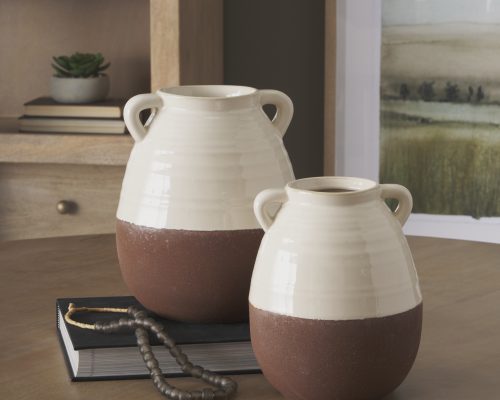
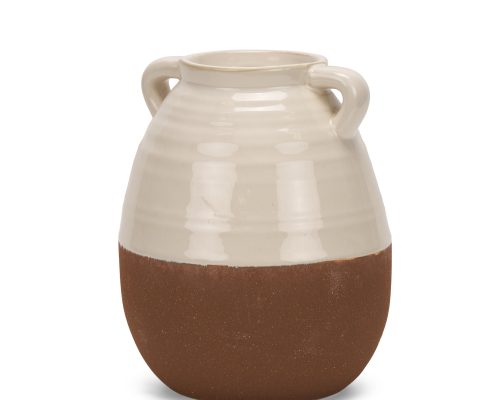
Flat surfaces are just missed opportunities for style. Our decorative objects collection is where you find those “where did you get that?” pieces. We believe decorative objects for home use should have a bit of grit and personality, not just look like mass-produced plastic. These accent decorations for the home range from organic stone shapes to metallic curiosities that add weight to your bookshelves or coffee tables. It’s the little things that make a house feel lived-in. Stop leaving your shelves empty; give them some character with our hand-picked accents. Your home will feel much better for it.
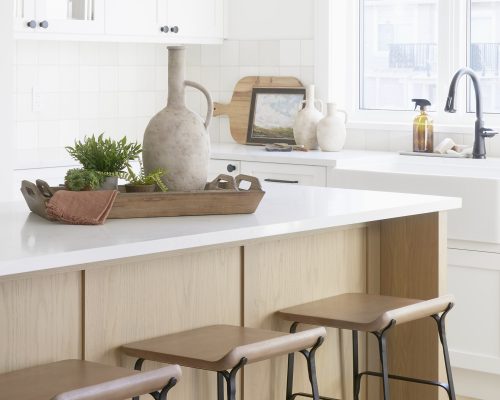
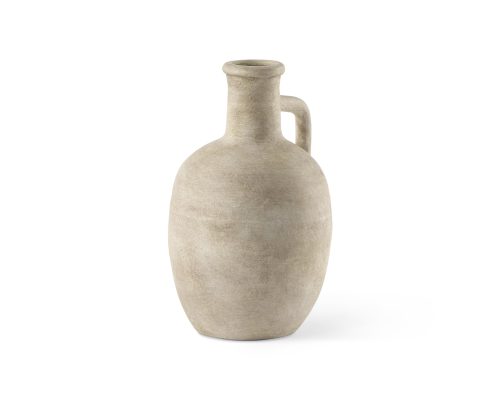
Decorative Objects
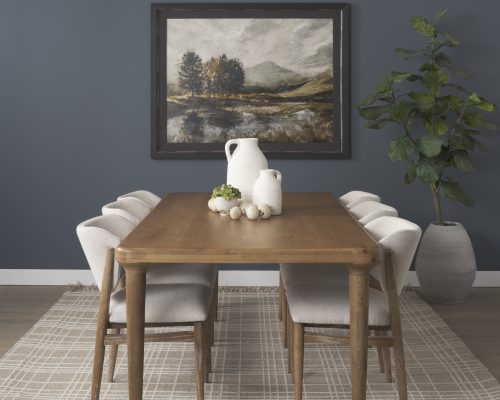
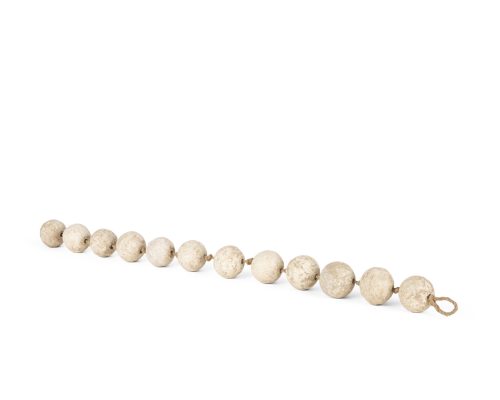
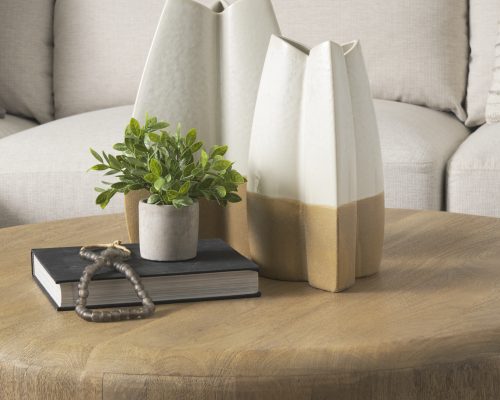
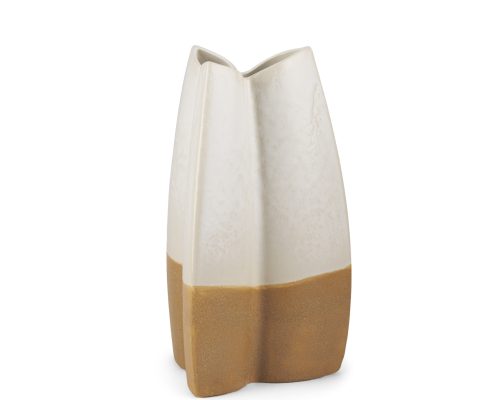
Decorative Objects
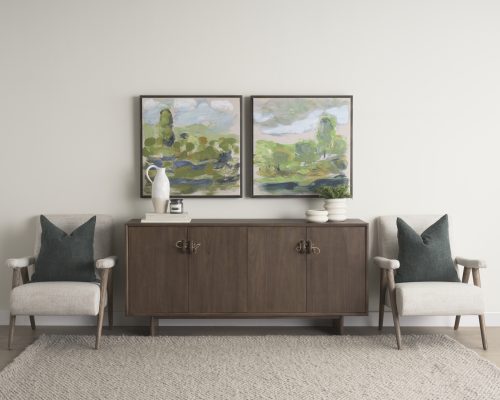
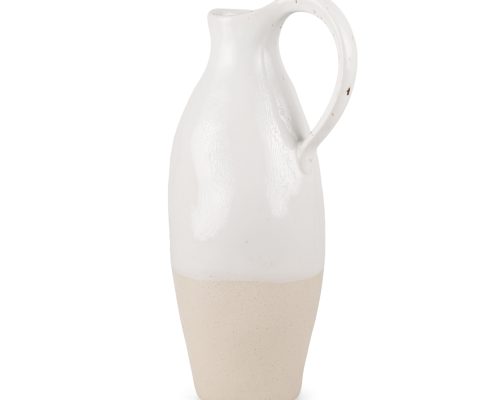
Decorative Objects
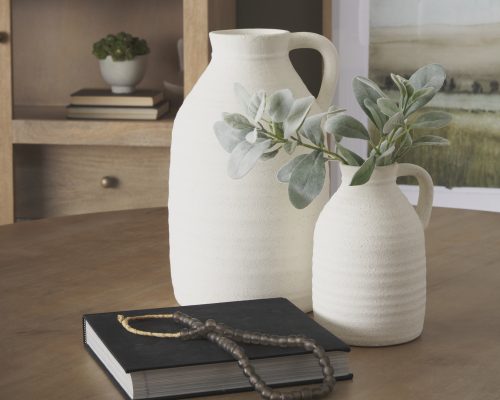
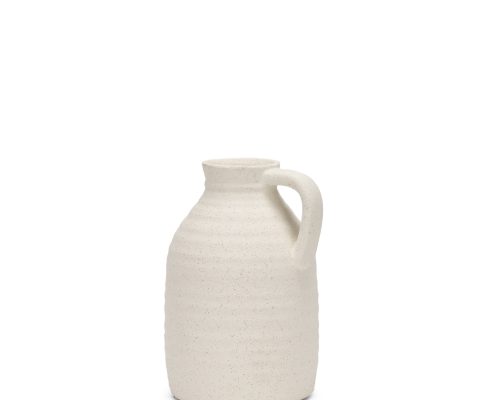
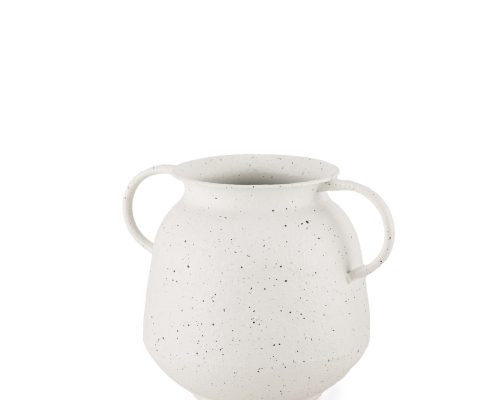
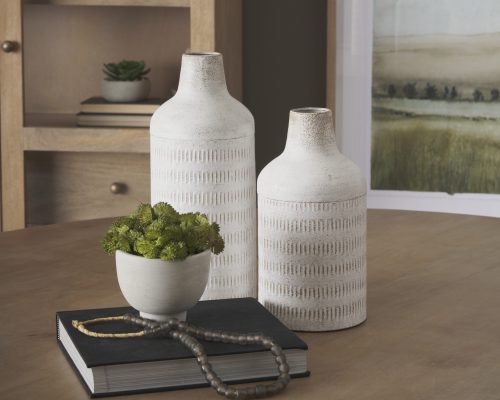
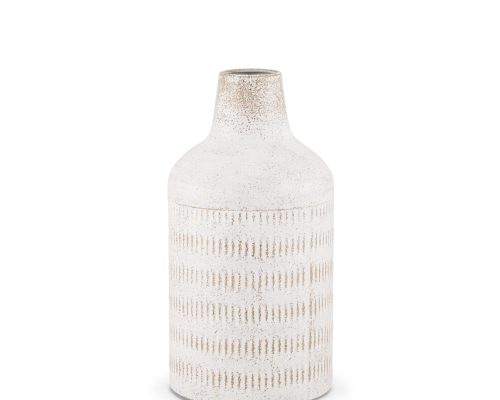
Mercana Tyrus Textured Matte White w/ Speckling Ceramic Vase
Decorative Objects
Decorative Objects
Decorative Objects
Decorative Objects
Decorative Objects
Decorative Objects
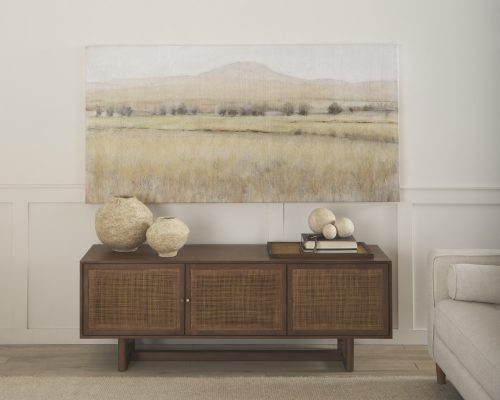
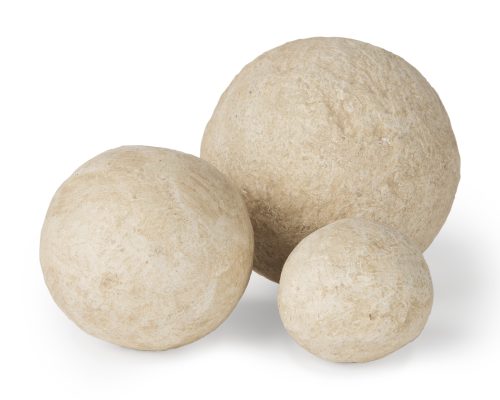
Decorative Objects
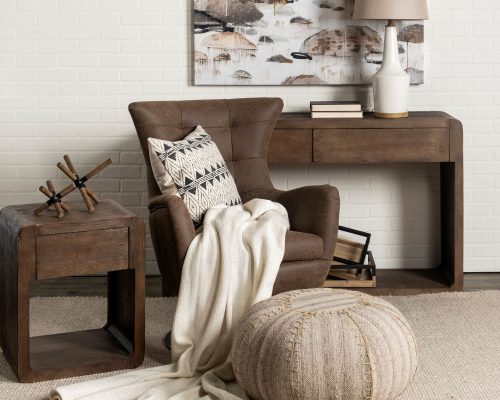
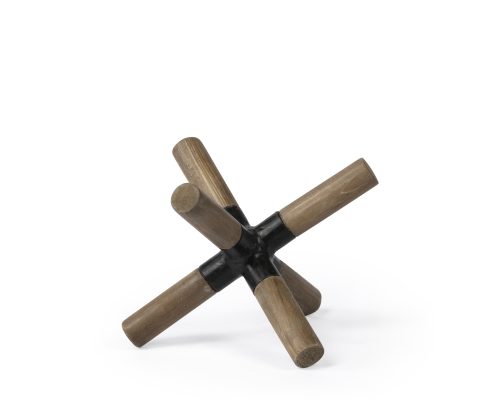
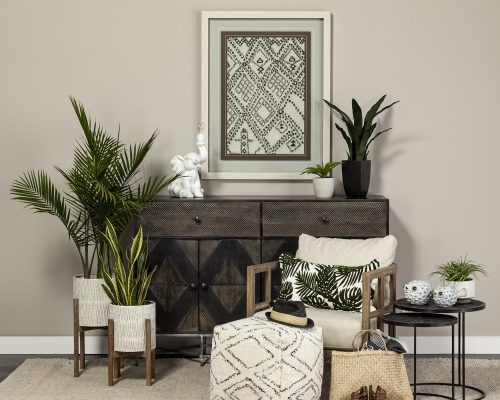
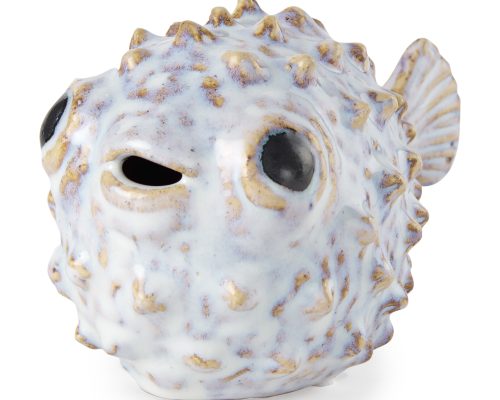
Decorative Objects
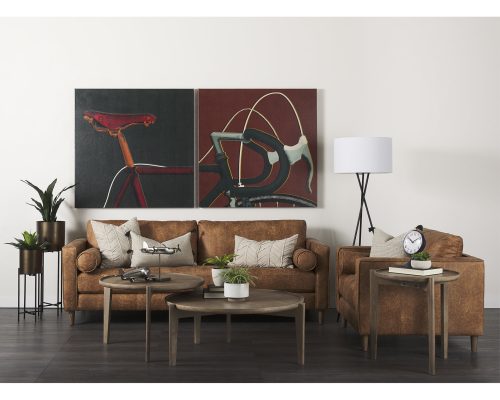
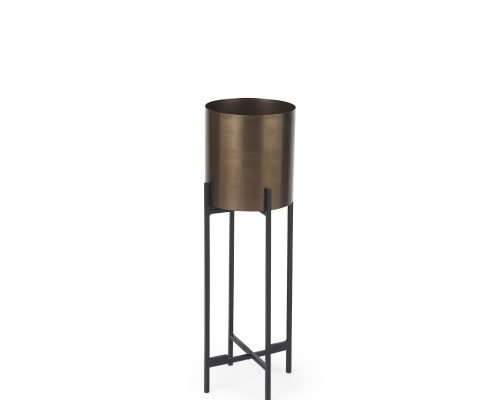
Decorative Objects
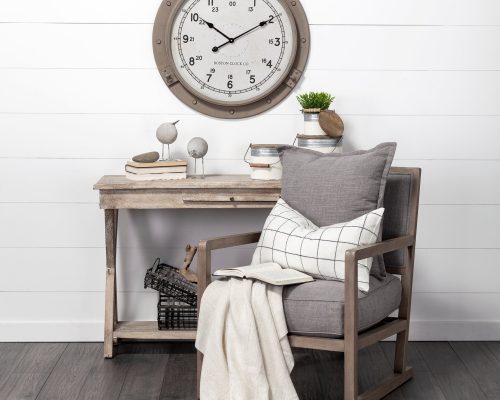
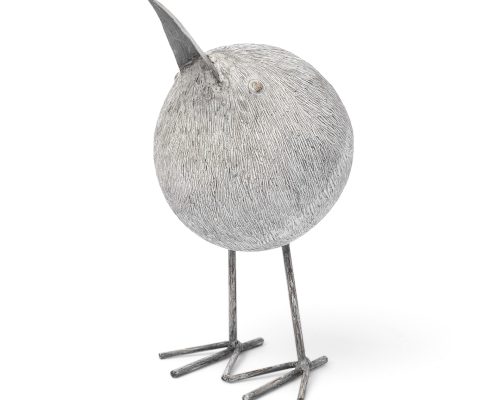
Decorative Objects
Mercana Snipe 6L x 6W Off-White Resin Bird Ornament W/ Metal Feet
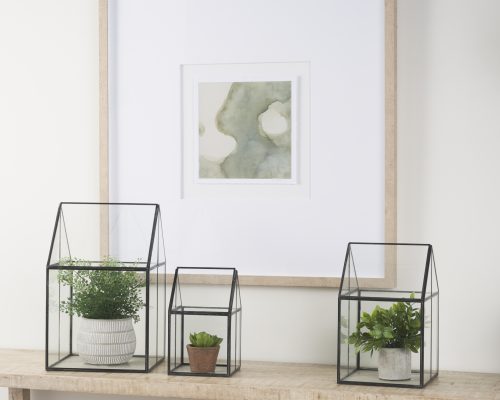
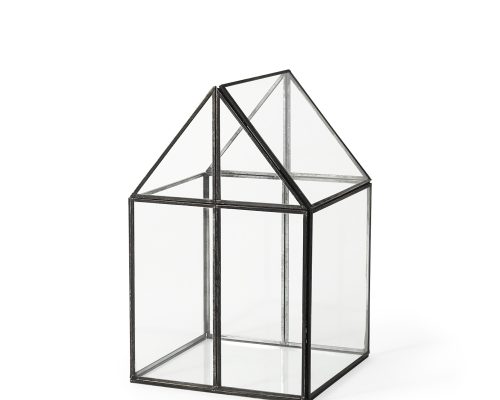
Decorative Objects
Decorative Objects
Mercana
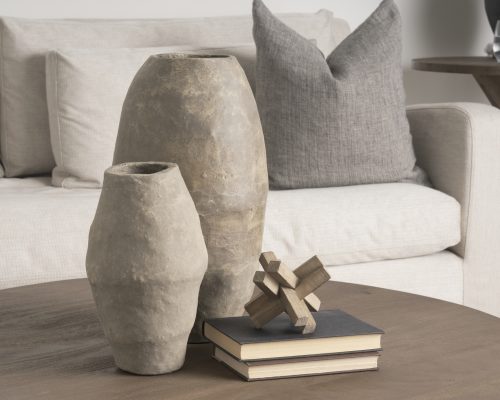
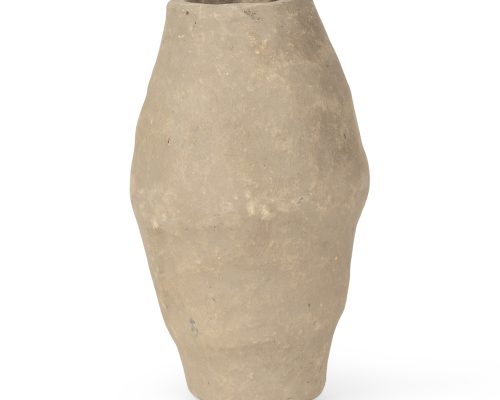
Decorative Objects
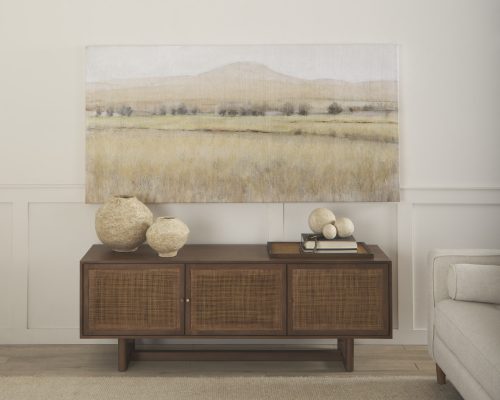
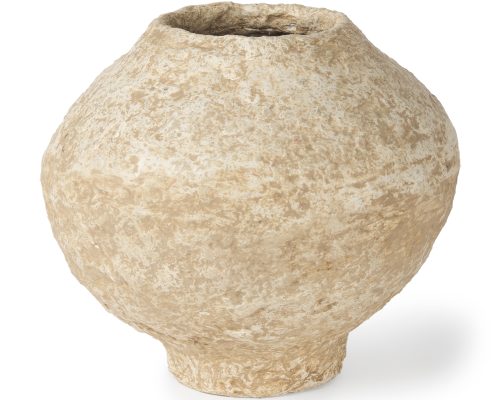
Decorative Objects
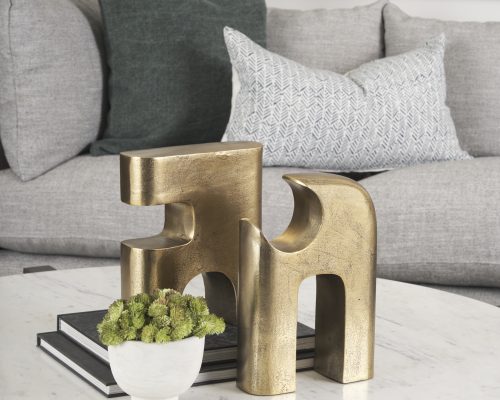
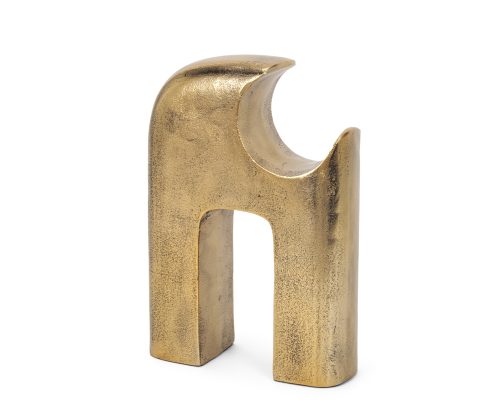
Decorative Objects
Frequently Asked Questions
A vase is generally designed with a hollow form that could function to hold flowers or stems, even if it’s used purely for display. A decorative sculpture is a solid or closed form — like the brass or animal-figure pieces here — meant purely as a standalone accent rather than a functional vessel.
Ceramic and paper mache vases make up a large share of the collection, alongside cast metal sculptures, resin figures, and wood pieces like risers and plant stands.
Paper mache is a layered, molded material that’s typically lighter and more affordable than ceramic, though it’s less resistant to moisture and impact — better suited to a dry display spot than anywhere it might get bumped or wet.
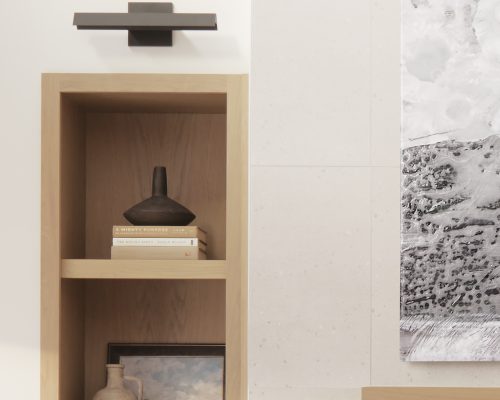
Bookshelves generally suit smaller-scale pieces (under 10 inches) that fit between books without crowding the shelf, while a coffee table can handle a slightly larger single statement piece, like a sculptural vase or figure, as a central focal point.
Mercana makes up the bulk of the selection with vases, sculptures, and figural pieces. Crestview Collection, Furniture of America, Park Hill, and The Light Garden round out the rest with their own take on materials and styling, from more rustic wood pieces to polished metal and glass accents.
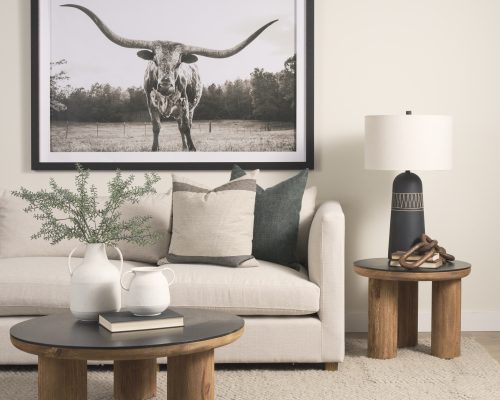
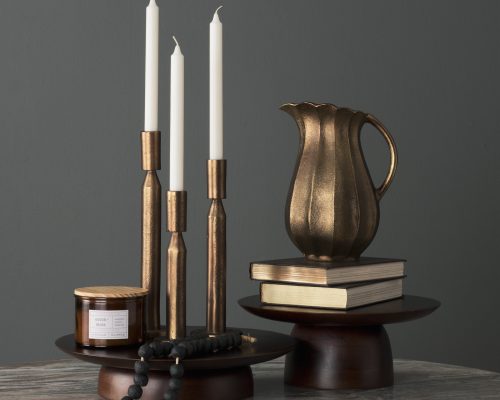
Grouping in odd numbers (three works especially well) and varying height while keeping the color palette or material tied together — for example, pairing a ceramic vase with a metal sculpture in a similar tone — tends to read as intentional rather than cluttered.
Most individual decorative objects run from around $28 up to $165, with pricing driven mainly by material and size — cast metal sculptures and larger ceramic vases sit toward the higher end, while smaller paper mache or resin pieces are more affordable.
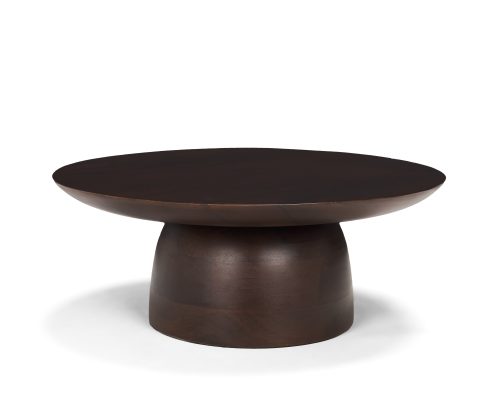
Yes — alongside purely ornamental pieces, the collection includes functional accents like plant stands and wood risers, which serve to elevate other decor items (plants, candles, smaller objects) while still contributing to the overall look.
A set of 3 means multiple related pieces (often varying in size) are sold as one listing. They’re generally designed to be grouped together for a layered look, though there’s nothing stopping you from spacing them out individually across different surfaces.
A common approach is grouping 2–3 objects of varying height and shape rather than lining up multiples of the same size, which creates more visual interest and avoids the display feeling flat or repetitive.