
Kids Playroom Furniture & Rugs – Safe, Fun & Creative Spaces
The Kids Playroom type is intended to facilitate the creation of engaging and stimulating spaces which encourage creativity, activity, and imagination. In an indoor playroom, carefully coordinated elements incorporating soft and functional components like the play area rug contribute to making the space more comfortable and safe. For either the play room or the joint family space, the play area rug will help to establish designated areas and shield the flooring. These functional elements intended to be durable and low-maintenance contribute to the creation of organized and comfortable space to encourage exploration and creative imagination.
Furniture of America

Furniture of America
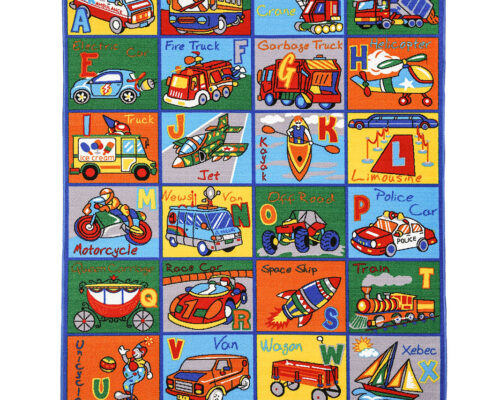
Furniture of America Amos Contemporary Multi 5′ X 8′ Area Rug
Frequently Asked Questions
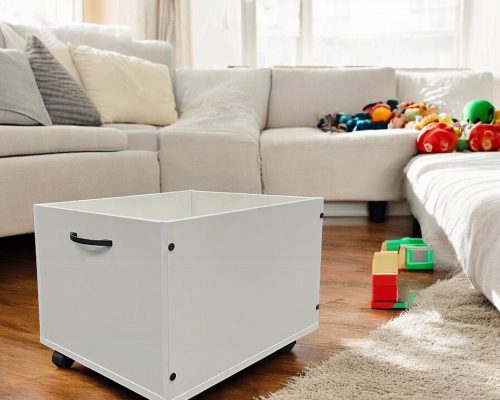
A larger toy box tends to work well in a dedicated playroom where floor space is less of a concern, while a more compact option is often better suited to a bedroom where the box needs to tuck against a wall or into a corner.
Both share the same contemporary design and 5′ x 8′ size — the difference comes down to colorway, with one offered in a standard tone and the other in a multicolor version, giving some flexibility depending on the room’s palette.
Look for a low-pile, tightly woven contemporary rug rather than a plush or shag style — a flatter weave resists matting and is easier to keep clean under the kind of daily foot traffic and play a playroom sees.
A 5′ x 8′ rug, like the ones in this collection, comfortably defines a play zone in a mid-sized room while leaving enough surrounding floor space for furniture like a toy box or bookshelf.
Prices run from $150 for the toy box up to $510 for either area rug, with the rugs priced higher mainly due to their larger size and the fabrication involved in a contemporary woven design.
A contemporary rug actually works well in a playroom — a simpler, more abstract pattern tends to hide everyday marks and spills better than a highly detailed traditional design would.
Toy boxes are commonly built from engineered wood or MDF with a painted finish, which holds up well to everyday use as long as it isn’t exposed to excess moisture — spot cleaning is the safer approach over anything more abrasive.
Weight capacity varies by design, so it’s worth checking the specific product’s listed capacity, especially if the lid might double as a spot for a child to sit or step on.
A rug adds cushioning for floor play, helps define the play zone within a larger room, and protects hard flooring from scuffs and dropped toys — all while making the space feel warmer and more inviting.
Blotting a spill immediately with a clean cloth, followed by a mild rug cleaner appropriate for the rug’s material, is the safest first step — checking the manufacturer’s care instructions before using any stronger cleaning product helps avoid discoloring the design.