
Complete Your Outdoor Kitchen with Functional Favorites
We’ve got what you need to build an Outdoor Kitchen that works for real life. If you need a sink for quick rinses, we have it. If you want a built-in fridge to keep drinks cold, that’s here too. We’ve got faucets, prep stations, and more, and they are all made to handle sun, rain, and everyday use. These pieces fit right into your space and make cooking outside way easier. No more running inside every five minutes, you can prep, cook, and serve everything right outside. Complement the rest of your space and enjoy outdoor time more. Simple, useful, and surprisingly made as you would like it.
Summerset
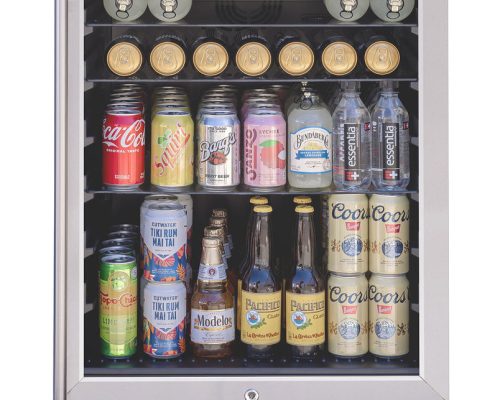
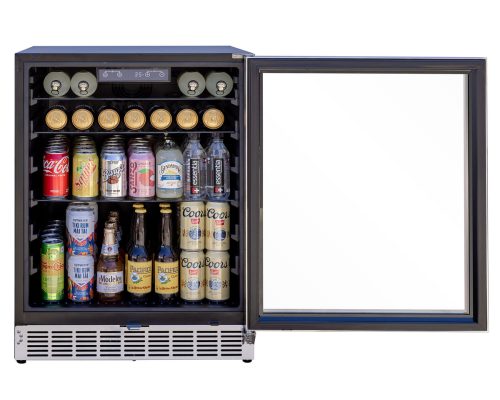
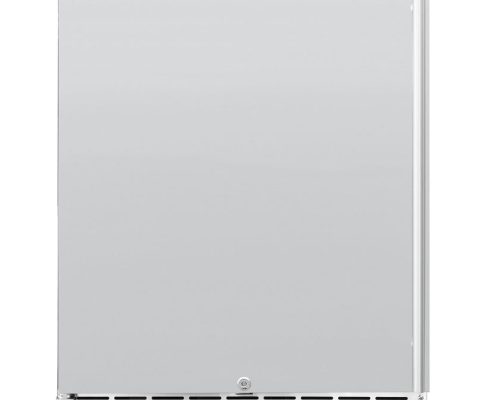
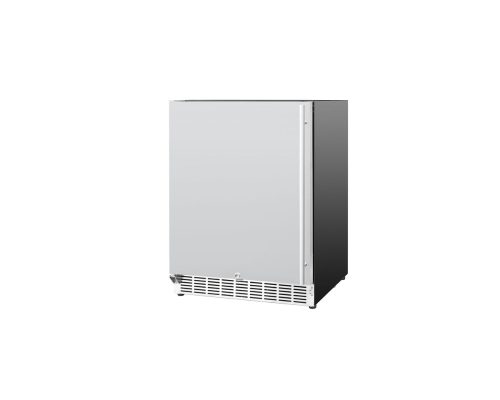
Summerset

Frequently Asked Questions
Outdoor refrigerators are specifically engineered to endure harsh weather and temperature fluctuations. They feature heavy-duty, weather-sealed electrical components to prevent short circuits in the rain, upgraded insulation, and significantly more powerful compressors designed to maintain safe internal temperatures even on 100-degree summer days.
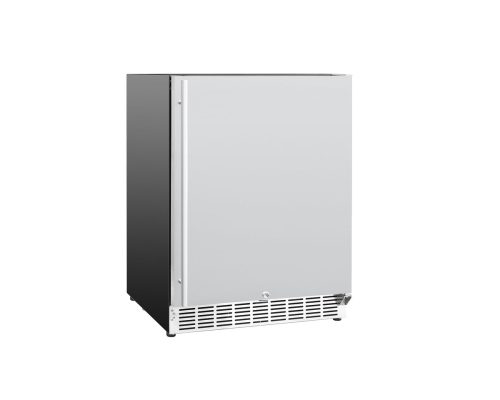
A front-venting (or front-breathing) refrigerator exhausts compressor heat out through a grille located at the bottom front of the unit. This feature is absolutely mandatory if you plan to build the refrigerator seamlessly into a masonry or cabinetry island. If you put a rear-venting fridge into a tight cabinet, it will quickly overheat and the compressor will fail.
For investment-grade outdoor appliances, the exterior should be constructed of 304 commercial-grade stainless steel, which offers high resistance to rust and corrosion. If your home is located in a coastal or saltwater environment, upgrading to 316 marine-grade stainless steel is essential to prevent pitting and oxidation from the corrosive salt air.
Yes, but only if the refrigerator is UL-approved for outdoor food storage. Premium outdoor refrigerators utilize forced-air cooling (internal fans that circulate cold air evenly), ensuring the entire interior stays safely below 40°F (4°C) to prevent foodborne illness. Cheaper beverage centers with cold-plate cooling are only safe for canned and bottled drinks.
While premium 304 stainless steel is highly rust-resistant, it is not entirely stain-proof. When exposed to chlorine from pools, salt air, or harsh environmental chemicals, surface oxidation (often called “tea staining”) can occur. To maintain a pristine finish, routinely wipe down the exterior with a high-quality stainless steel polish along the grain.
While a high-end outdoor refrigerator can function in the sun, it is highly discouraged. Direct sunlight forces the compressor to run constantly to fight the ambient heat, which drastically increases your energy consumption and shortens the appliance’s lifespan. For optimal performance, install the unit under a shaded countertop, pergola, or covered lanai.
Yes, it is strongly recommended. Outdoor refrigerators draw a significant surge of power when the heavy-duty compressor kicks on. Plugging the unit into a shared circuit—especially one running outdoor lighting or other appliances—can frequently trip the breaker. Ensure it is plugged into a dedicated, weather-proof GFCI (Ground Fault Circuit Interrupter) outlet for safety.
Condensation occurs when hot, humid summer air meets the cold surface of the glass door. To combat this, premium glass-door outdoor refrigerators utilize Low-E (low-emissivity), double-paned glass filled with argon gas for maximum insulation. Some luxury models even feature discreetly heated glass doors that evaporate condensation instantly, keeping your beverage display clear.
To protect the compressor during freezing temperatures, you must winterize the unit. Before the first freeze, unplug the refrigerator or shut off its power at the breaker. Thoroughly clean and dry the interior to prevent mold, and leave the door slightly propped open (using a towel or block) to allow airflow throughout the winter season.
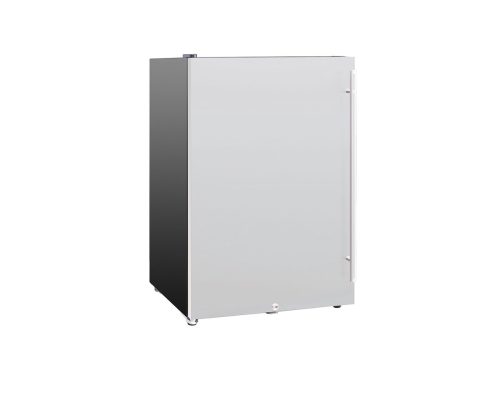
To fit seamlessly beneath standard 36-inch-high outdoor kitchen countertops, most built-in outdoor refrigerators are between 34 and 34.5 inches tall. The standard width is 24 inches, offering roughly 5 to 6 cubic feet of interior storage, though compact 15-inch models are also available for smaller patio footprints.