
Floor Mirrors for Full-Length Function and Style
A good mirror changes the feel of a room before you even look into it. These floor mirrors bring in light, open up tighter spaces, and add height without asking for a full makeover. Lean one against a bedroom wall, place it in a dressing area, or use it to brighten a quiet corner. If you prefer something that can move as your space changes, a standing mirror gives you that flexibility. Simple, elegant, and easy to live with, these mirrors fit naturally into everyday homes without demanding all the attention.
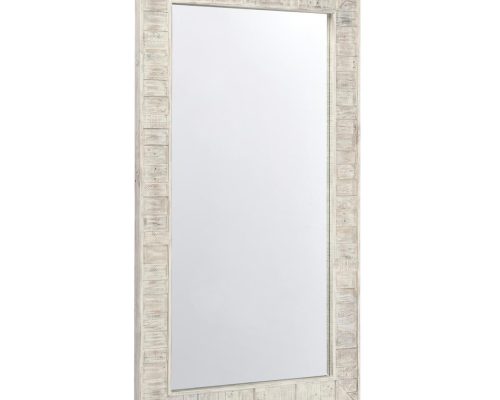

Classic Home
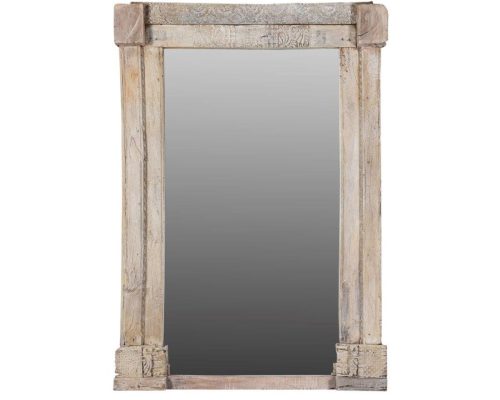
Classic Home
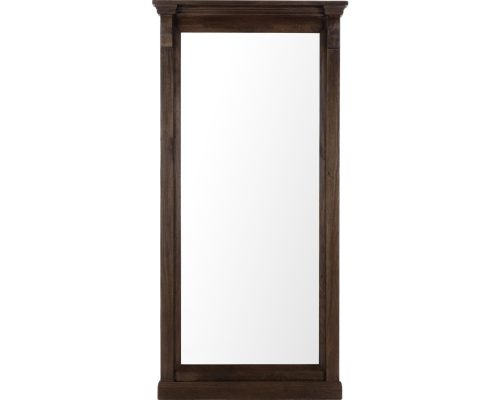
Classic Home
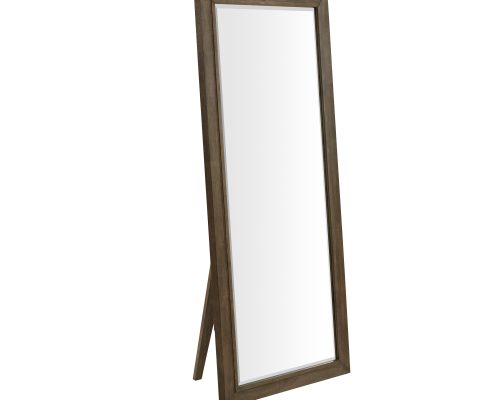
All Mirrors
All Mirrors
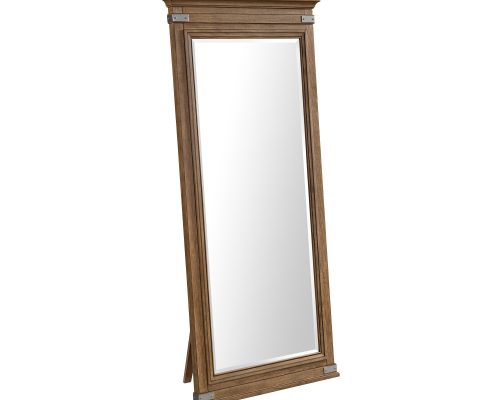
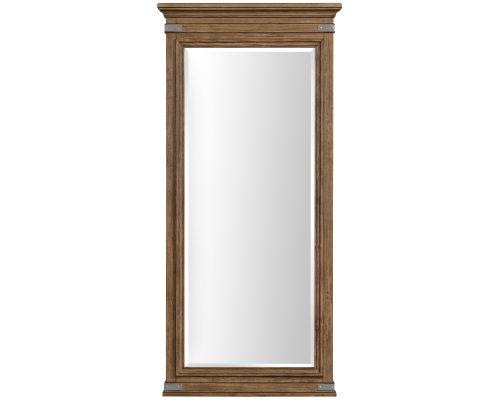
All Mirrors
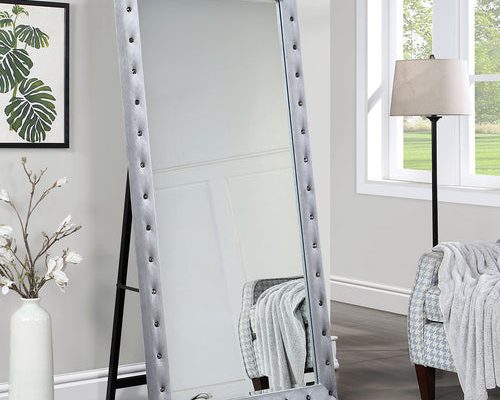
Furniture of America
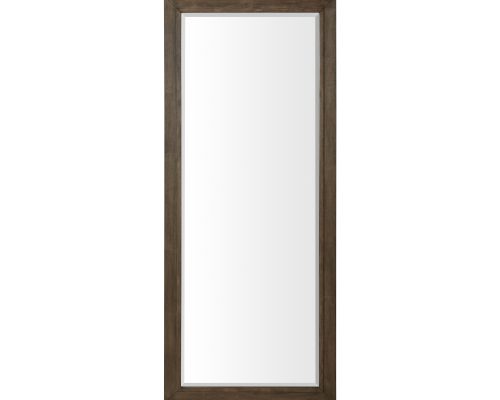
Furniture of America Rivieres Contemporary Solid Wood Gray Hallway Mirror
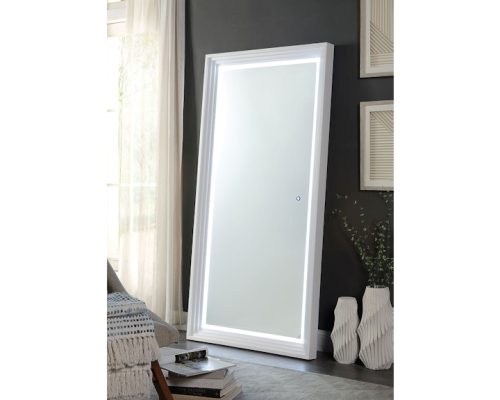
Furniture of America
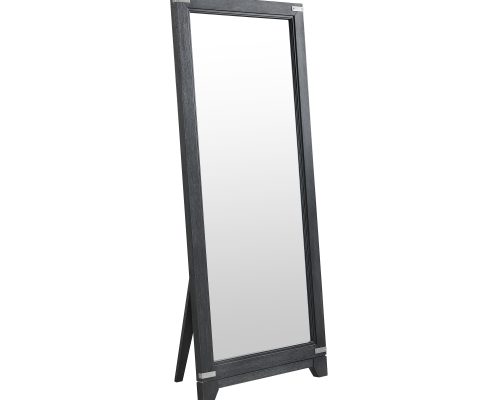
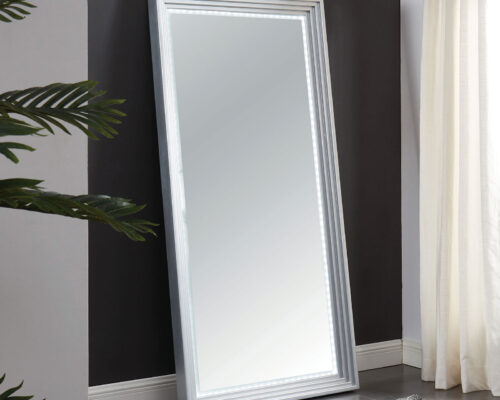
Furniture of America Karly Contemporary Solid Wood Hallway White Mirror with LED
Furniture of America
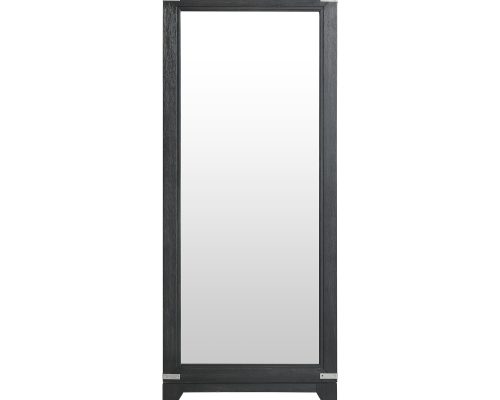
Furniture of America Karly Contemporary Solid Wood Silver Hallway Mirror
Furniture of America
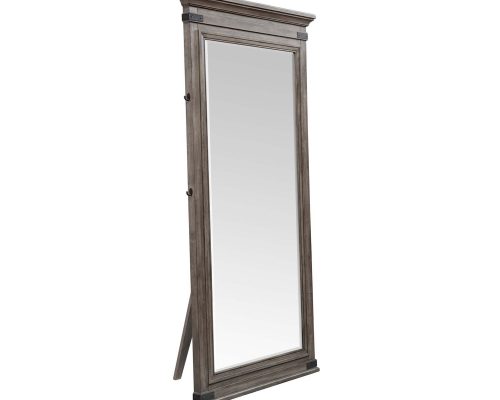
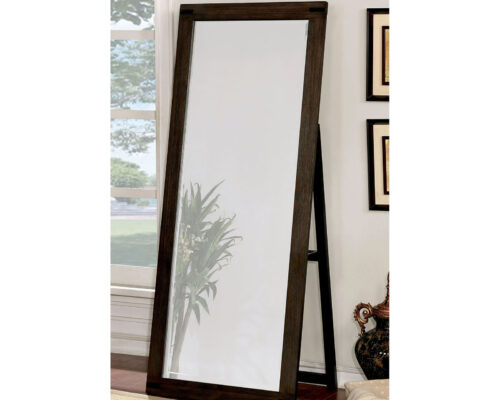
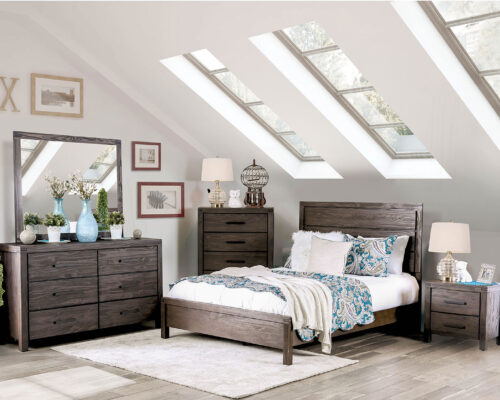
Furniture of America Rexburg Wire Brushed Rustic Brown Standing Mirror
Frequently Asked Questions
A leaning mirror rests against the wall at a slight angle and isn’t permanently fixed in place, making it easy to reposition. A standing mirror typically has its own stable base or frame that lets it stand independently in the middle of a room without wall support.
A mirror at least 60–72 inches tall generally provides a true full-length reflection for most adults, giving enough vertical space to see a complete outfit without needing to step back excessively.
Classic Home offers more substantial, furniture-grade floor mirrors with detailed frame work. Intercon focuses on mirrors that coordinate with matching bedroom furniture collections, often in weathered or rustic wood tones. Furniture of America rounds out the selection with contemporary hallway and standing mirror options, including one with built-in LED lighting.
Yes — the Furniture of America Karly hallway mirror is available in a version with integrated LED lighting, which adds functional illumination alongside its reflective use.
Both are typically freestanding or leaning designs, but a hallway mirror tends to run narrower to fit tighter corridor spaces, while a floor mirror is generally wider and taller, built more for a bedroom, dressing area, or open wall space.
A good rule of thumb is at least 2–3 feet of clearance in front of the mirror, giving enough room to step back and see a full reflection without feeling cramped against the glass.
Prices run from around $339 up to $1,799. Size and material are the main factors — simpler metal-framed mirrors sit at the lower end, while larger, more detailed wood-framed pieces from Classic Home push toward the top.
Most are designed to lean against a wall for stability rather than requiring wall mounting, though it’s still good practice to anchor a tall, heavy mirror if there’s a risk of it tipping, especially in a home with kids or pets.
A wire-brushed rustic finish has a textured, slightly distressed look achieved by brushing the wood grain, giving it a more weathered, farmhouse feel. A butterwood blend finish is smoother and warmer in tone, aiming for a softer, more refined natural wood look.
Yes — leaning it at a slight angle is actually the intended use for most of these designs, and it can create a more relaxed, styled look compared to mounting it flush against the wall.