
Decorative Wall Mirrors That Open Up Every Room





Classic Home











Classic Home



Classic Home



All Mirrors
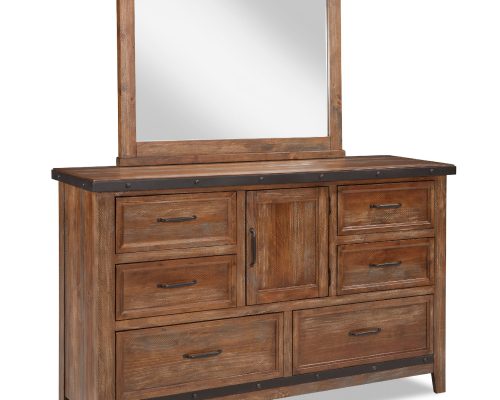
All Mirrors
All Mirrors
All Mirrors
All Mirrors
Frequently Asked Questions
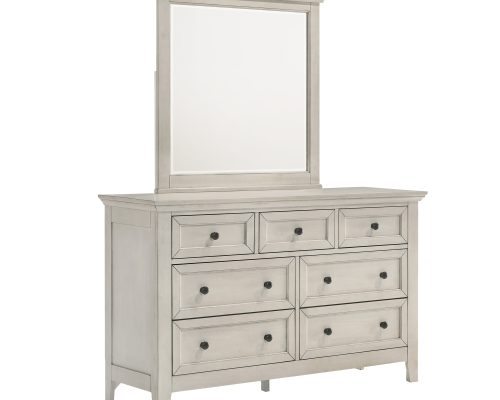
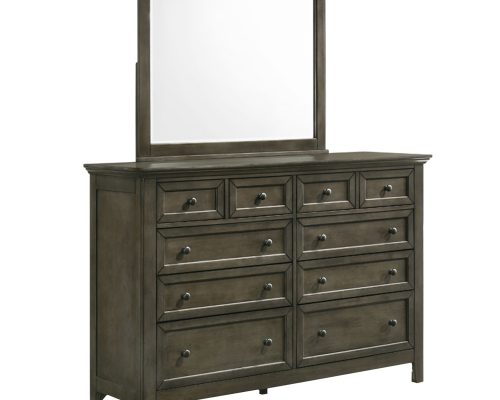
A dresser mirror is designed to pair with a specific dresser or vanity, often matching its wood tone and hardware, and is typically sized to sit just above that piece of furniture. A standalone wall mirror is meant to hang independently anywhere on a wall, without needing to match a specific furniture piece.
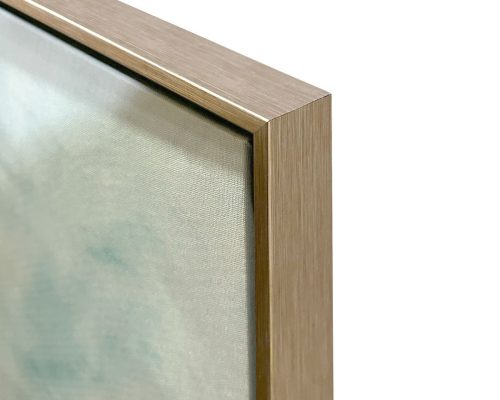
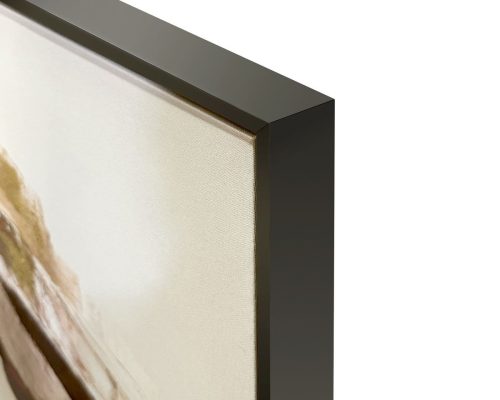
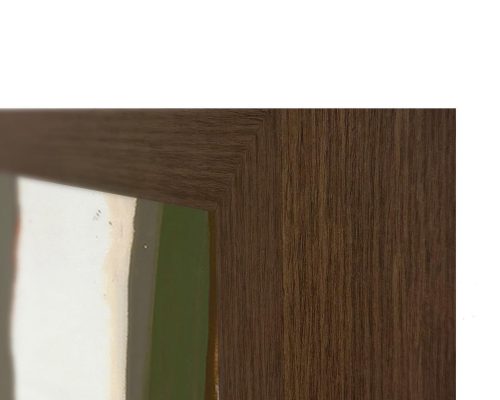
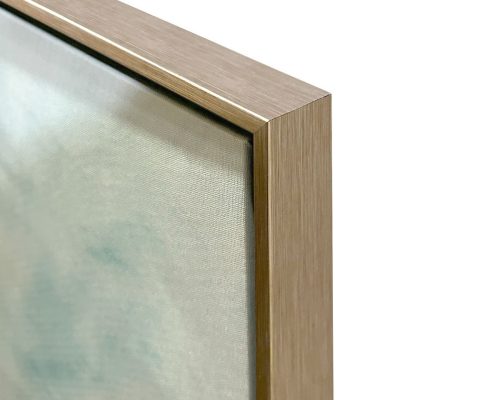
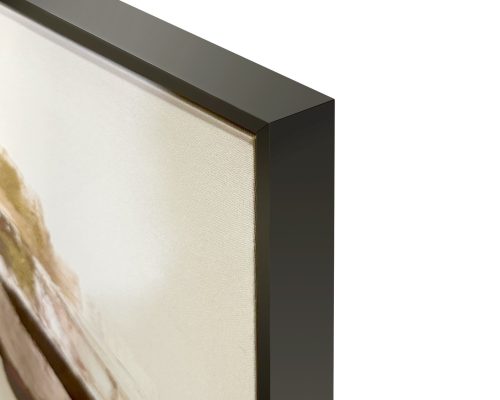
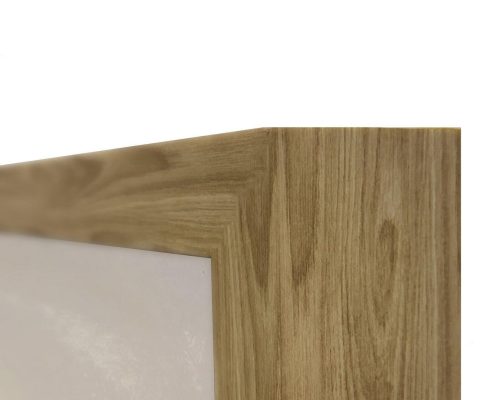
Wood-framed mirrors in finishes like weathered oak, brushed steel, washed linen, and pewter make up a large share of the collection, alongside simpler metal-framed options in black, white, and gray.
Above a console table, a mirror roughly two-thirds the width of the table tends to look balanced. Above a dresser, sizing closer to the dresser’s full width creates a more cohesive, matched look.
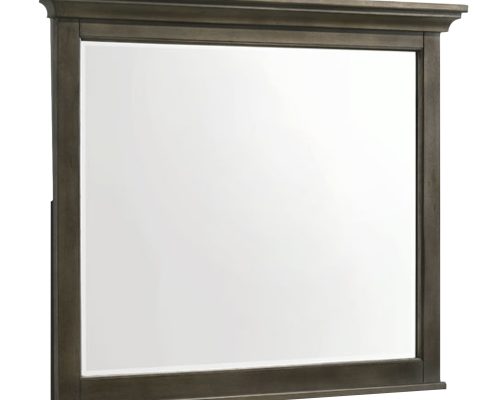
A landscape mirror is oriented horizontally rather than vertically, which works well over a wide surface like a dresser or console table where a tall mirror wouldn’t fit the proportions as naturally.
Some do — LED-integrated mirrors add ambient lighting directly into the frame, which is useful in a hallway or entryway where you want both a mirror and a bit of extra light without adding a separate fixture.
A hallway mirror is typically sized and shaped for narrower spaces — often taller and slimmer — so it fits comfortably in a corridor without protruding too far off the wall, while a general decorative wall mirror can come in a wider range of shapes and sizes for larger open walls.
A common approach is leaving about 6–8 inches of space between the top of the table and the bottom of the mirror, which keeps the pairing visually balanced without the mirror feeling disconnected from the furniture below it.
Prices span roughly $163 up to nearly $2,000, with size, wood species, and detailing (like added LED lighting) being the main drivers of cost within the mirror portion of the collection.
Yes — positioning a mirror to reflect a window or a light source is one of the most effective ways to visually expand a small room, since it doubles the sense of natural light and depth in the space.
A framed mirror has a visible wood, metal, or painted border that adds to the room’s overall style, while a frameless mirror relies purely on the glass itself, often giving a cleaner, more minimalist look that blends into the wall.