
Furniture of America
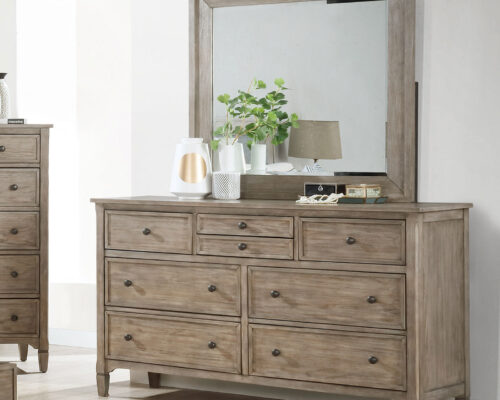
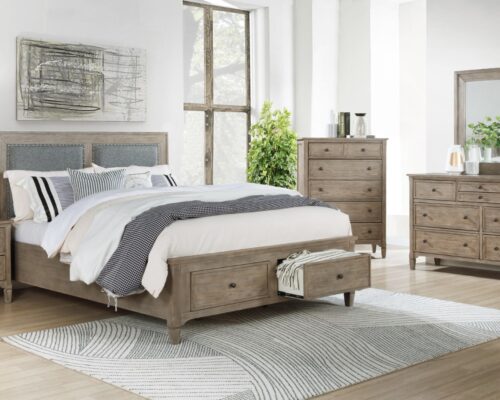
Furniture of America Anneke Transitional Wire Brushed Warm Gray Dresser
Furniture of America
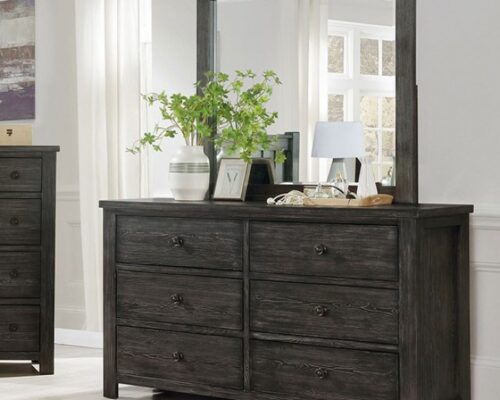
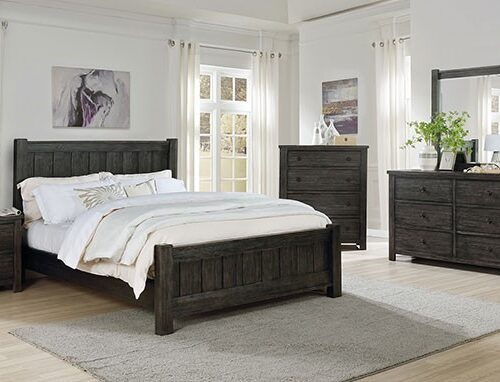
Furniture of America Regensburg Six Drawers Rustic Dark Gray Dresser

Furniture of America
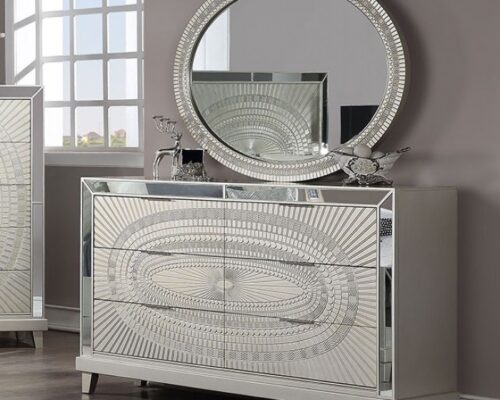
Furniture of America Valletta Six Drawers Glam Champagne Dresser
Furniture of America
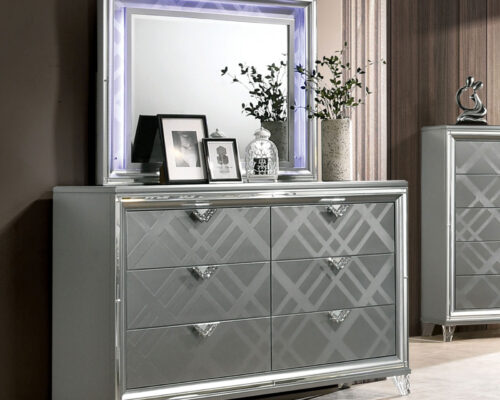
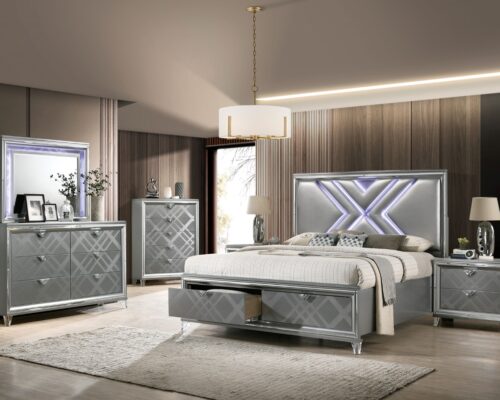
Furniture of America Emmeline Six Drawers Contemporary Dresser

Furniture of America
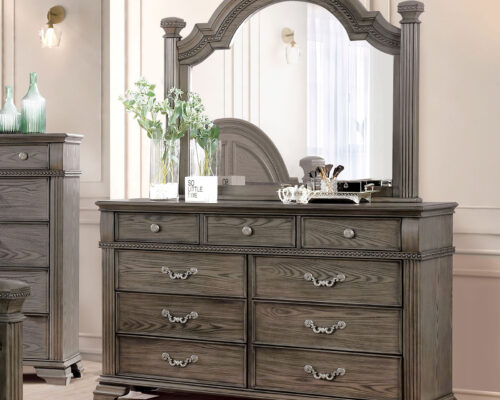
Furniture of America Pamphilos Seven Drawers Traditional Dresser


Furniture of America
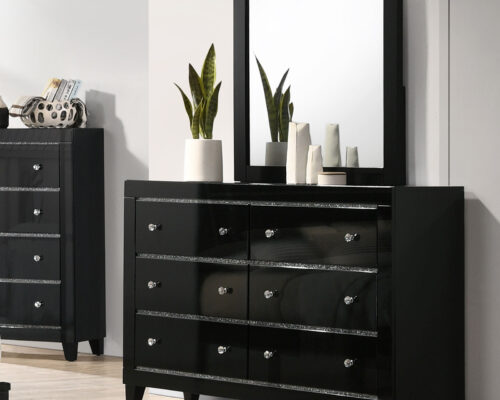
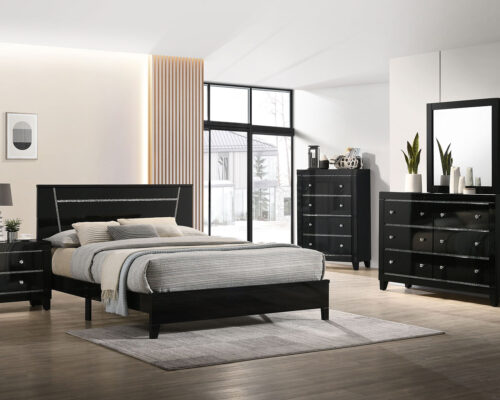
Furniture of America Carlie Six Drawers Contemporary Dresser
Furniture of America
Furniture of America Magdeburg Six Drawers Contemporary Dresser


Furniture of America
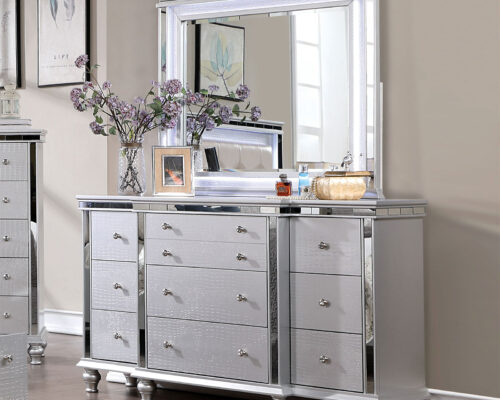
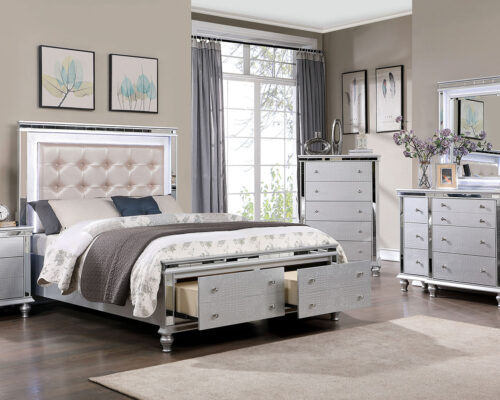
Furniture of America Blanchefleur Rustic Weathered Light Natural Tone Dresser
Furniture of America


Furniture of America
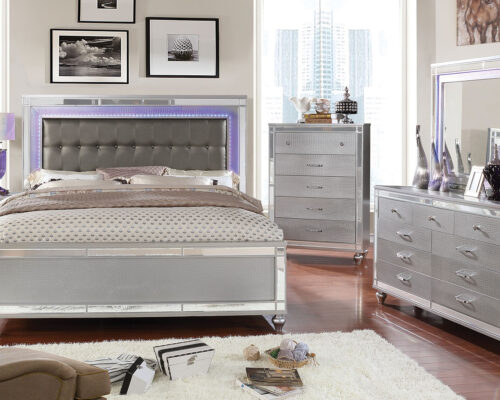
Furniture of America Bellanova Nine Drawers Contemporary Dresser

Furniture of America
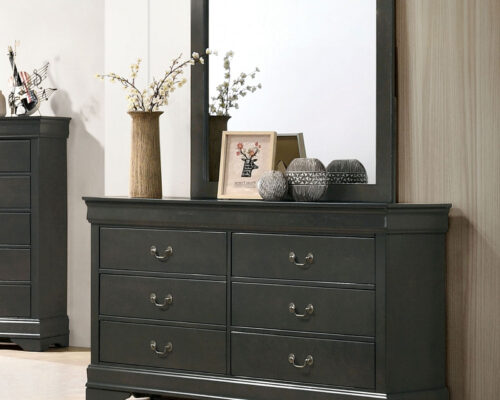
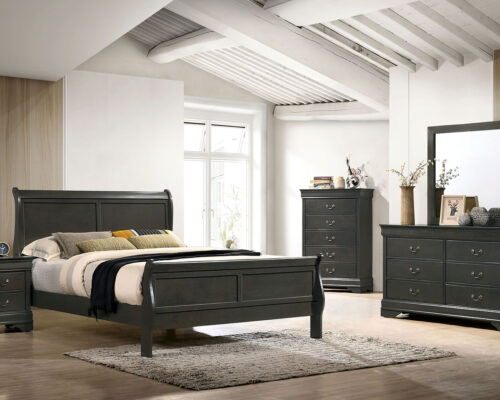
Furniture of America Brachium Seven Drawers Contemporary Dresser
Furniture of America
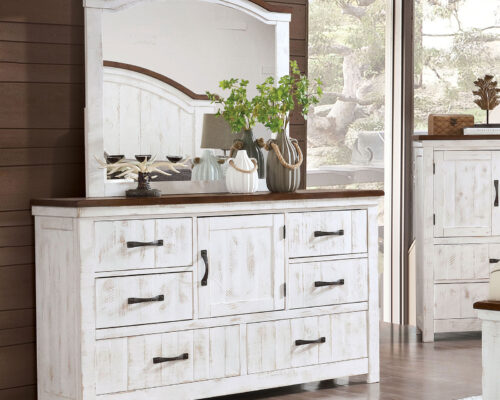
Furniture of America Louis Philippe Six Drawers Transitional Dresser
Furniture of America
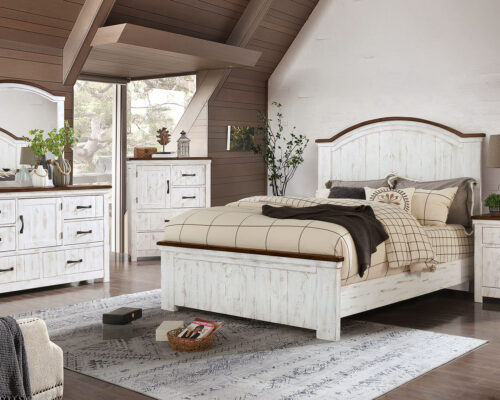
Furniture of America Alyson Transitional Distressed White/Walnut Dresser
Furniture of America
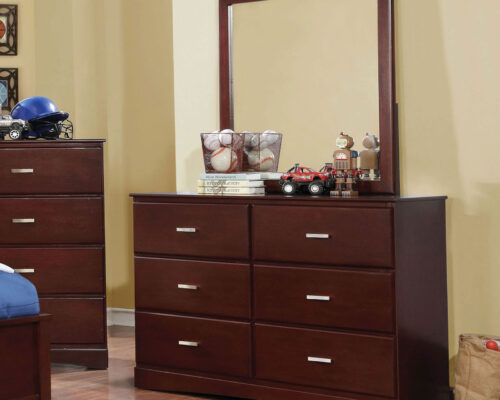
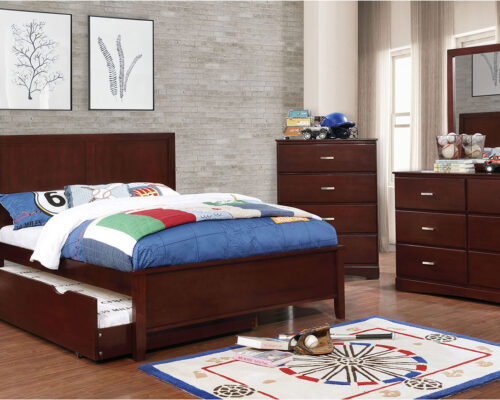
Furniture of America Prismo Six Drawers Transitional Dresser
Furniture of America
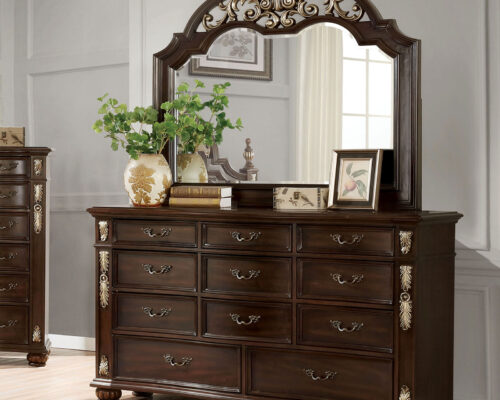
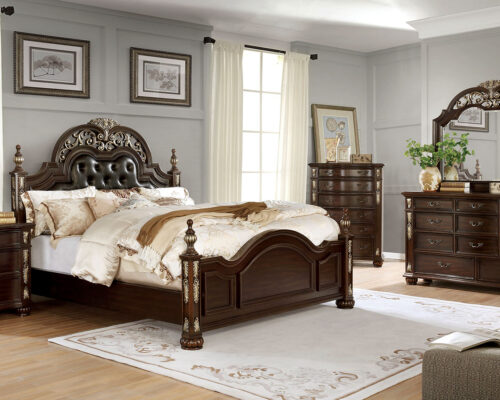
Furniture of America Theodor Traditional Brown Cherry Dresser


Furniture of America
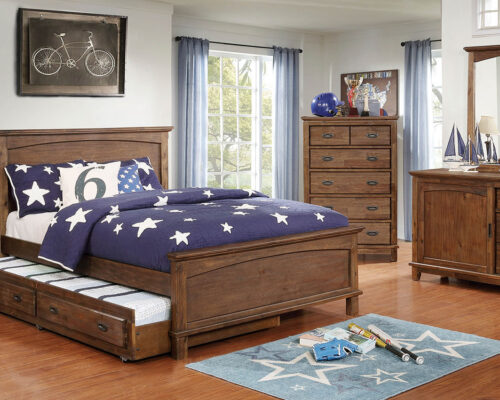
Furniture of America Wentworth Six Drawers Rustic Light Walnut Dresser

Furniture of America
Furniture of America
Furniture of America
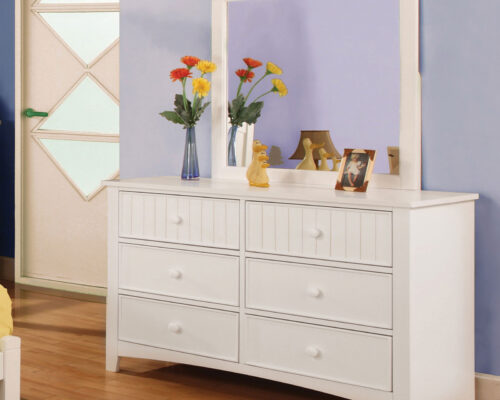
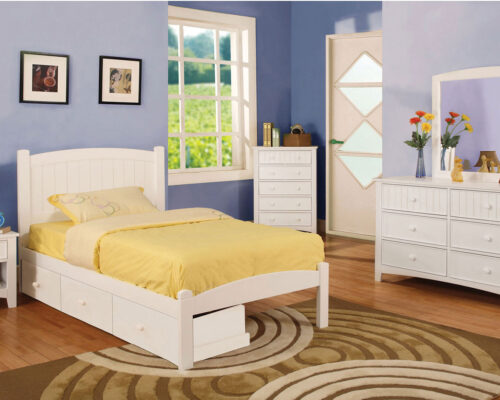
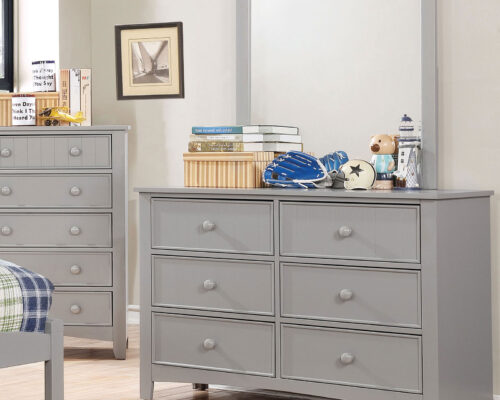
Furniture of America Caren Six Drawers Transitional Gray Dresser
Furniture of America
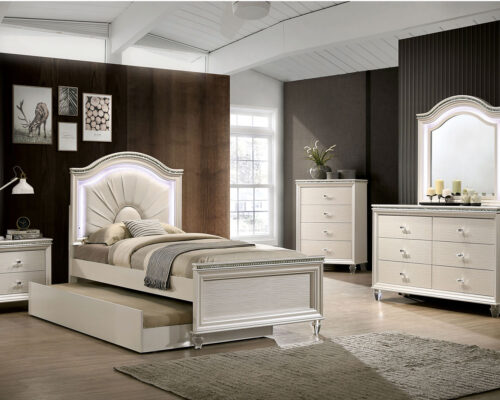
Furniture of America
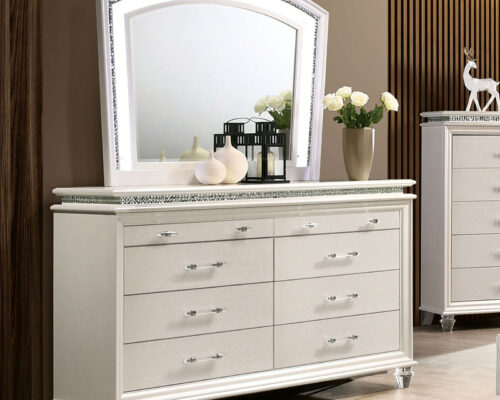
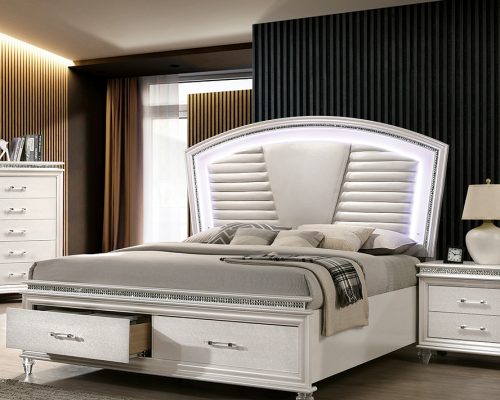
Furniture of America
Furniture of America Maddie Eight Drawers Contemporary Dresser
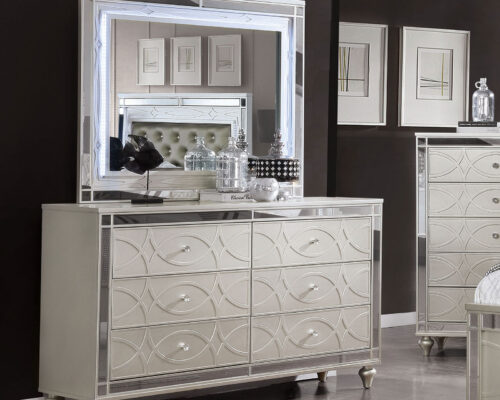
Furniture of America
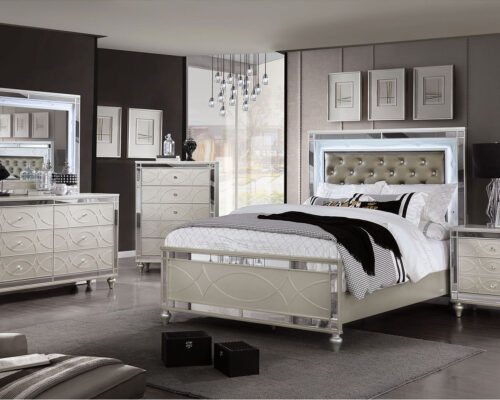
Furniture of America Manar Six Drawers Transitional Silver Dresser


Furniture of America
Furniture of America Janine Six Drawers Contemporary Espresso Dresser
Frequently Asked Questions
The main difference is their shape and proportion. A dresser is typically wide and low (waist-high), offering a long surface area perfect for a mirror or TV. A chest of drawers (or “tallboy”) is tall and narrow, stacking drawers vertically to save floor space in smaller bedrooms.
Standard dressers range from 16 to 20 inches deep. A depth of 18 inches is generally considered optimal, as it provides enough room to easily fold and stack bulky items like sweaters or jeans without taking up too much walkway space in the bedroom.
Yes, high-quality dressers and chests should always include anti-tip restraint kits. Because these pieces hold heavy items and can become front-heavy when multiple drawers are open, anchoring them to the wall is crucial for safety—especially in homes with children or pets.
A gentleman’s chest is a specialized piece of bedroom furniture that combines a traditional stack of drawers on one side with a tall cabinet door on the other. The cabinet section typically conceals adjustable shelves or a short hanging rod, perfect for storing suits, ties, or bulky folded items.
English dovetail is a traditional, high-quality woodworking technique used to join the sides of a drawer to its front. It features interlocking, wedge-shaped cuts that fit together tightly without relying solely on glue or nails, resulting in incredibly durable drawers that can hold heavy weights without falling apart.
Yes, a dresser can double as a TV stand, provided it is sturdy enough and at a comfortable viewing height (typically 30 to 40 inches tall). You just need to ensure the dresser’s weight capacity exceeds the weight of the TV and that the base of the TV fits entirely on the surface.
Your choice depends on your organization style and room size. A 6-drawer dresser usually features deep, wide drawers ideal for stacking jeans and sweaters. A 9-drawer dresser typically includes a row of smaller top drawers, which are better for organizing socks, underwear, and accessories without needing separate drawer dividers.
Dust-proofing panels are thin layers of wood built into the frame between each drawer. They serve two purposes: keeping dust from settling on your clean clothes from the drawer above, and providing structural rigidity to the overall dresser frame.
You should leave a minimum of 36 inches (3 feet) of clearance in front of your dresser. This provides enough room to fully extend the drawers and stand comfortably in front of them to browse or fold clothes.
No, you do not have to buy the matching mirror. While a matching mirror creates a cohesive, traditional bedroom suite, many interior designers now recommend pairing dressers with contrasting metal-framed or round wall mirrors to give the room a more modern, curated feel.