
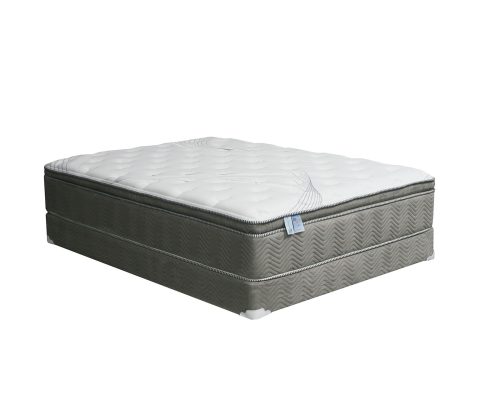
Furniture of America
Furniture of America Stormin White/Gray 13″ Euro Top Mattress
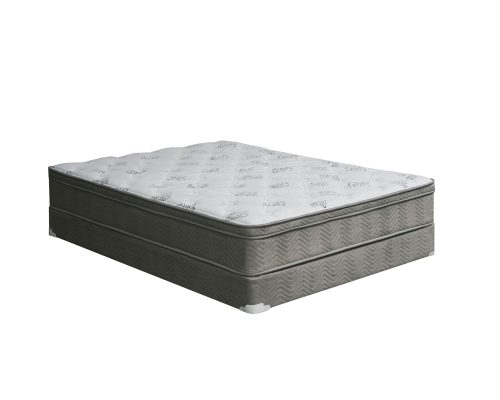
Furniture of America
Furniture of America Aleksa White/Gray 11″ Euro Top Mattress
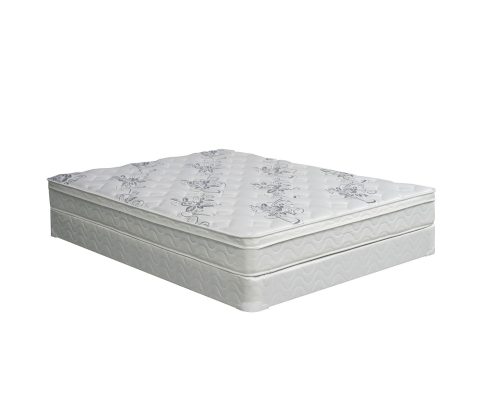
Furniture of America
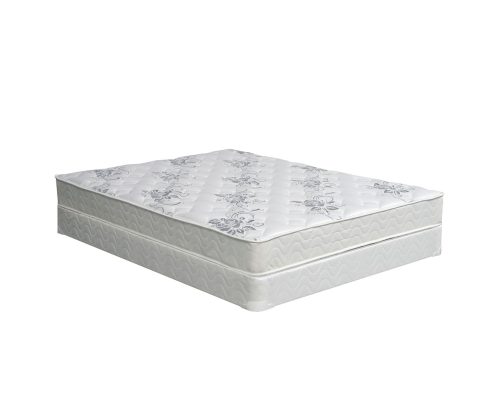
Furniture of America
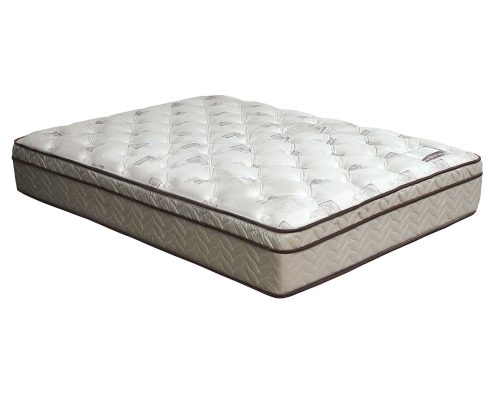
Furniture of America
Furniture of America Lilium White/Brown 13″ Euro Pillow Top Mattress
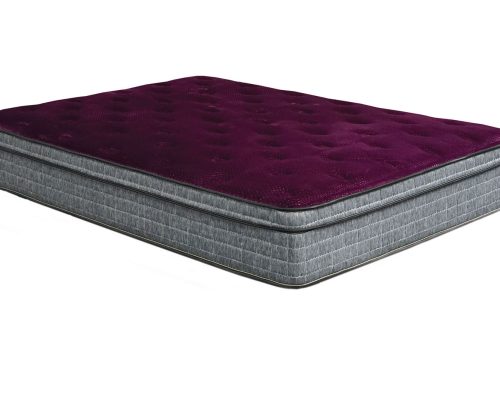
Furniture of America
Furniture of America Minnetonka Purple 13″ Euro Pillow Top Mattress
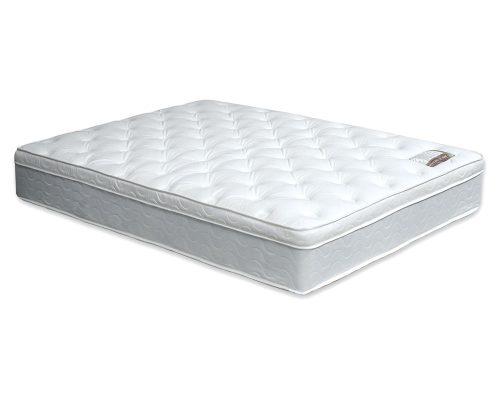
Furniture of America
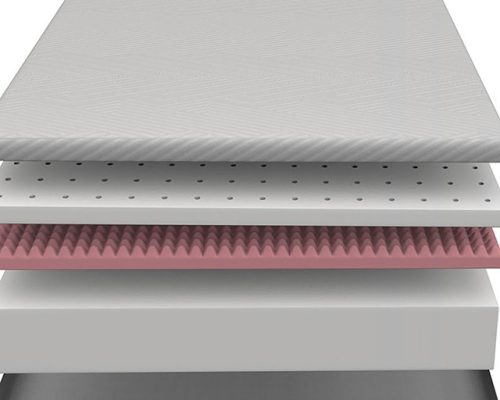
Furniture of America Bird Of Paradise White 11″ Euro Pillow Top Mattress
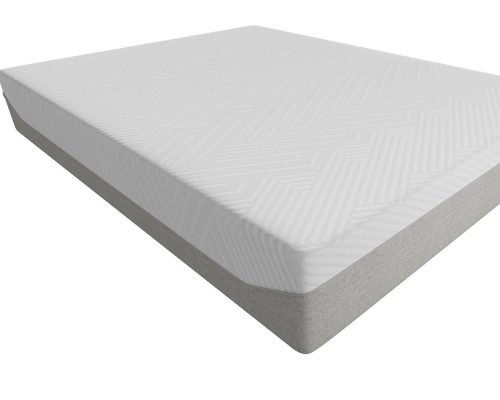
Furniture of America

Furniture of America
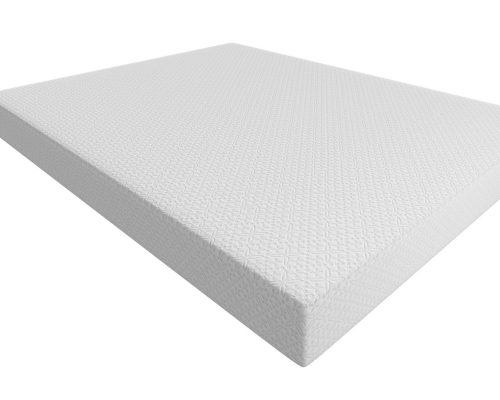
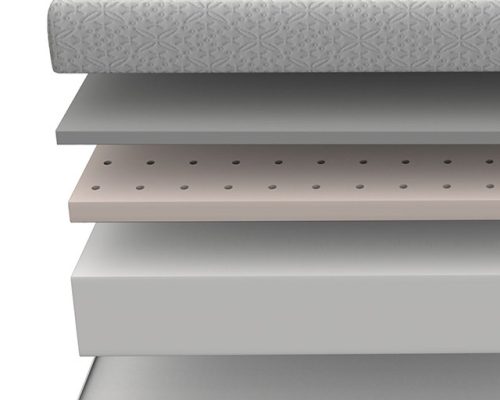
Furniture of America Clematis Cooling White Wave Knit Fabric Mattress
Furniture of America
Furniture of America Lobelia Extra Firm White Knit Fabric Mattress
Frequently Asked Questions
A traditional box spring contains a grid of metal coils to act as a shock absorber for innerspring mattresses. A foundation is a sturdy wooden or metal box featuring a solid surface or thick slats, designed to provide rigid support for foam, latex, and heavy hybrid mattresses.
No. Platform beds feature a built-in support system consisting of closely spaced wooden slats or a solid deck. Placing a mattress directly on a platform bed provides the necessary support, making a separate foundation or box spring unnecessary (and adding one would make the bed too high).
It is highly discouraged. Memory foam and heavy hybrid mattresses require a rigid, flat foundation. An old box spring with internal coils will eventually sag, which will cause your new foam mattress to warp, lose its supportive qualities, and likely void the manufacturer’s warranty.
A bunkie board is a flat, 1- to 2-inch thick piece of wood or metal covered in fabric. It is used to create a solid surface over older slatted beds where the slats are too far apart, or to provide low-profile support in bunk beds and daybeds without adding the height of a standard box spring.
On average, a quality mattress should be replaced every 7 to 10 years. You should consider replacing yours sooner if you wake up with back pain, notice visible sagging, or if the mattress squeaks and transfers motion excessively when your partner moves.
To properly support a modern foam or hybrid mattress and prevent it from pushing through the gaps, the wooden slats on a foundation or platform bed should be no more than 2.5 to 3 inches apart.
No. Adjustable foundations (motorized bases that raise the head and feet) require mattresses that can bend without breaking. Memory foam, latex, and most modern pocketed-coil hybrid mattresses work beautifully. However, traditional innerspring mattresses with rigid wire border rods cannot be used on adjustable bases.
A standard foundation is usually 9 inches tall. A “low profile” foundation functions exactly the same but is only 4 to 5 inches tall. Low-profile foundations are perfect for extra-thick mattresses (like 14+ inch pillow-tops) or for people who prefer their bed to sit closer to the floor.
Older memory foam technology was known for retaining body heat. However, modern memory foam mattresses utilize open-cell technology, gel infusions, and breathable covers to dissipate heat and regulate body temperature effectively throughout the night.
While you can usually sleep on a compressed bed-in-a-box mattress within 4 to 6 hours of unboxing, it typically takes 24 to 48 hours for the foam to fully decompress, expand to its final height, and for any harmless “new foam” odors (off-gassing) to dissipate completely.