
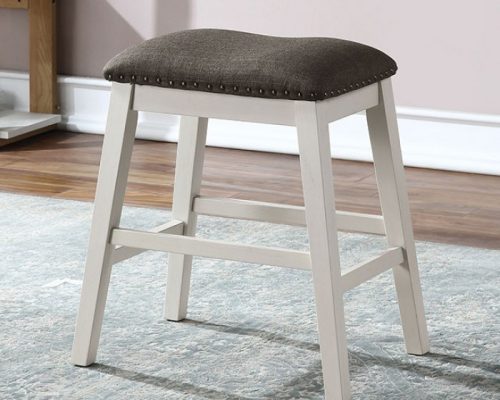
Furniture of America
Furniture of America
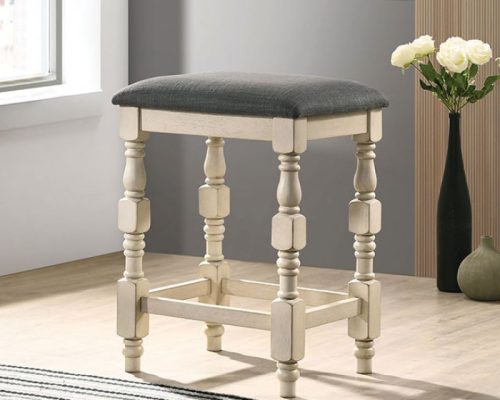
Furniture of America Plymouth Rustic Solid Wood Ivory/Dark Gray Counter Height Stool (2/CTN)
Furniture of America
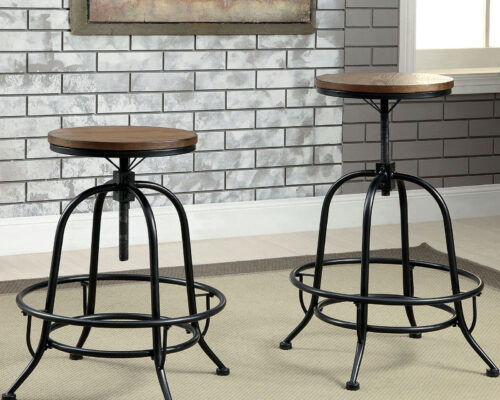
Furniture of America Silvia Industrial Solid Wood Black/Medium Oak Counter Height Stool (2/CTN)
Furniture of America
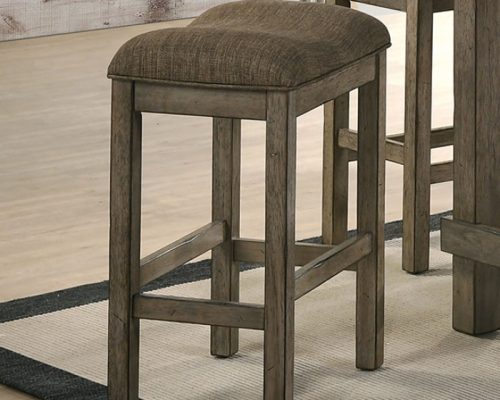
Furniture of America Gumboro Rustic Dark Chestnut/Brown 7 Piece Counter Height Stool (2/CTN)
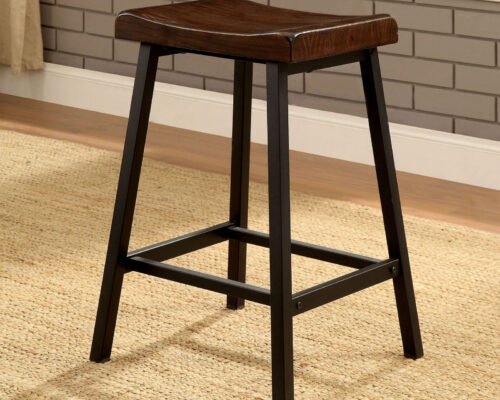
Furniture of America
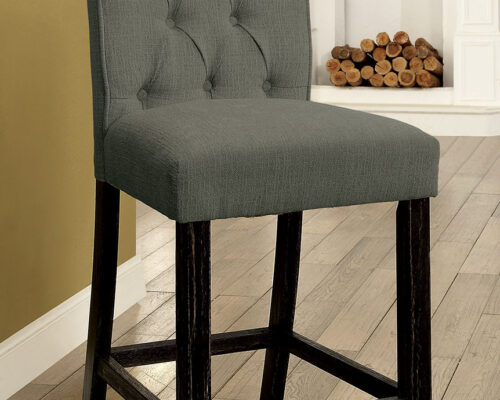
Furniture of America
Furniture of America Sania Rustic Solid Wood Gray/Antique Black Bar Chair (2/CTN)
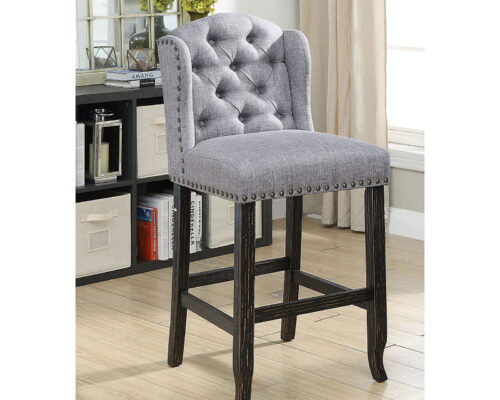
Furniture of America
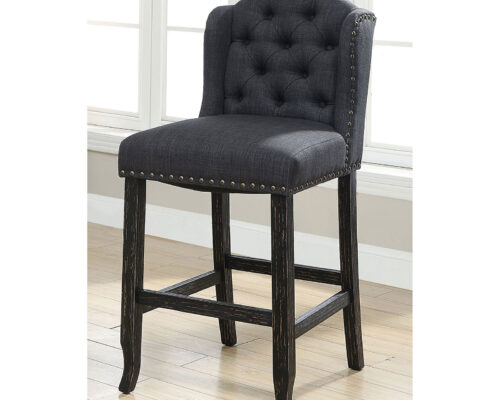
Furniture of America
Furniture of America Sania Rustic Solid Wood Antique Black/Gray Bar Height Wingback Chair (2/CTN)
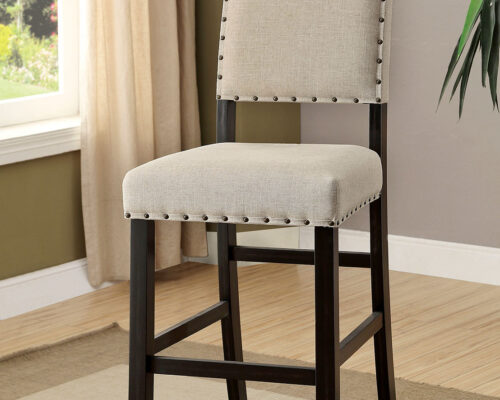
Furniture of America
Furniture of America Sania Rustic Solid Wood Antique Black/Beige Bar Chair (2/CTN)
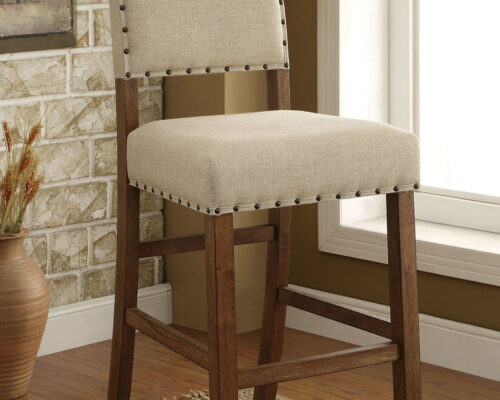
Furniture of America
Furniture of America Sania Solid Wood Rustic Oak Bar Chair (2/CTN)
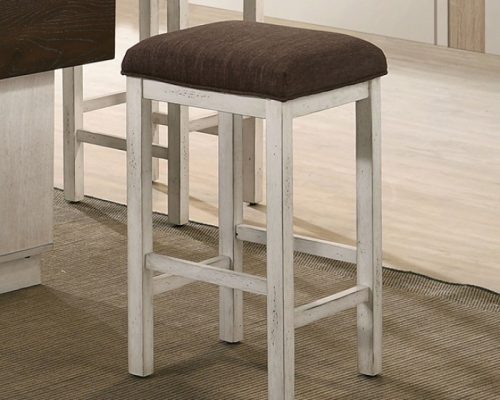
Furniture of America
Furniture of America Bingham Rustic Solid Wood Antique White/Dark Brown Counter Height Stool (2/CTN)
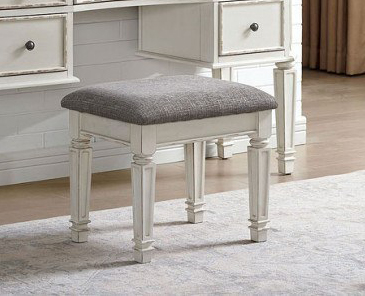
Furniture of America
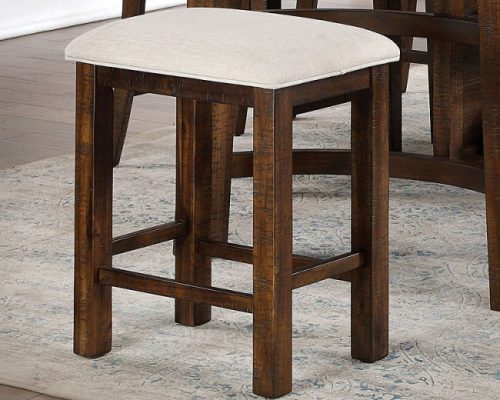
Furniture of America Drucilla Traditional Solid Wood White Stool
Furniture of America
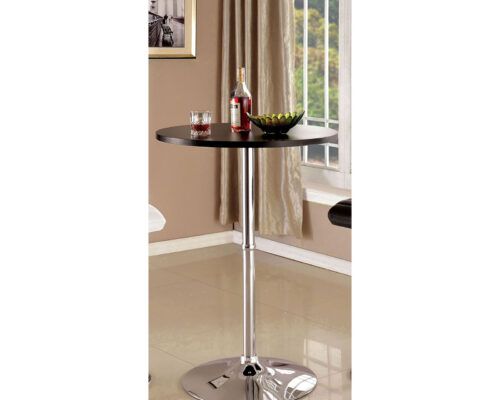
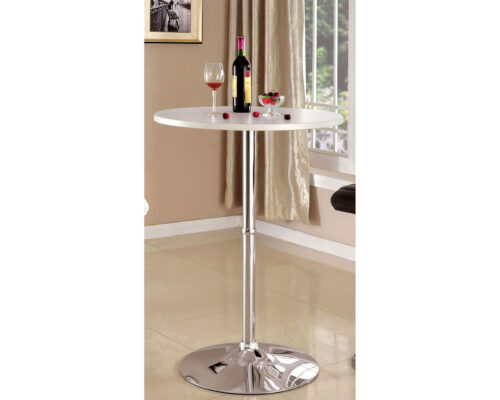
Furniture of America Fredonia Solid Wood Rustic Oak/Beige Counter Height Stool
Furniture of America
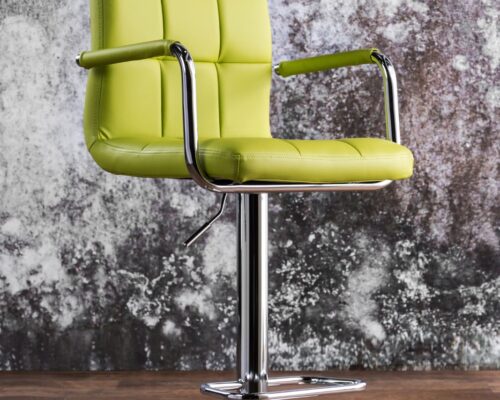
Furniture of America
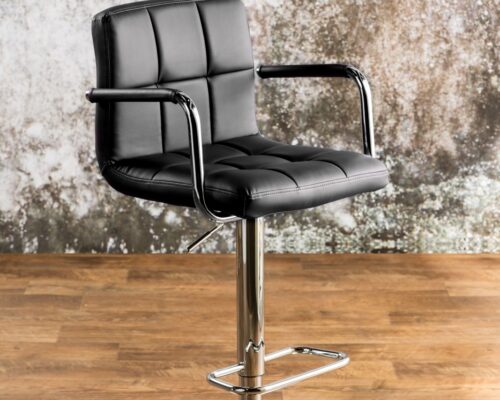
Furniture of America Corfu Contemporary Leatherette Bar Stool

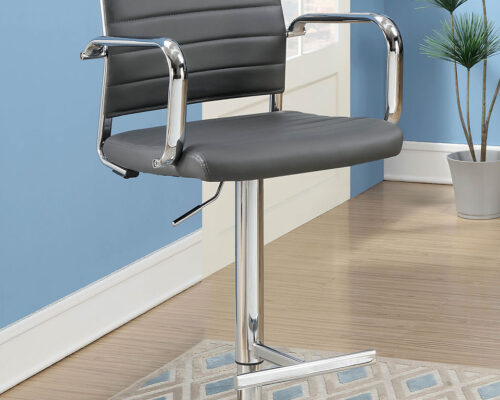
Furniture of America
Furniture of America Sedona Contemporary Leatherette Bar Stool
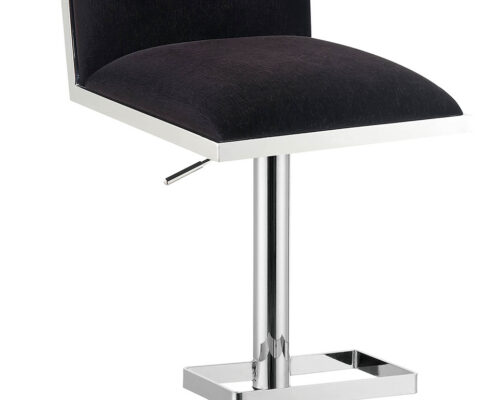
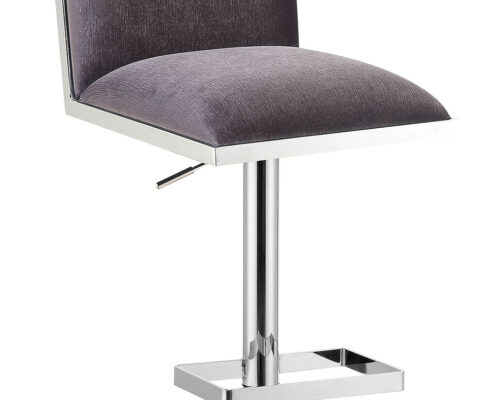
Furniture of America
Furniture of America Orjan Contemporary Velvet Like Fabric Bar Stool


Furniture of America
Furniture of America Lynsey Transitional Solid Wood Bar Stool
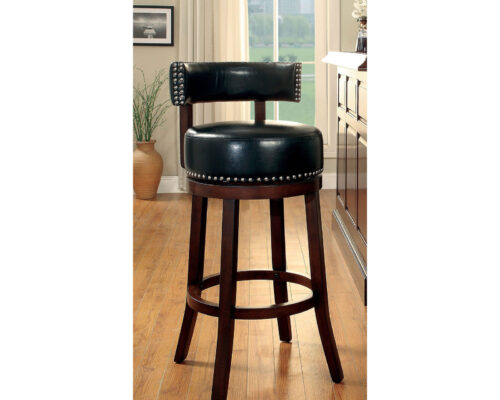
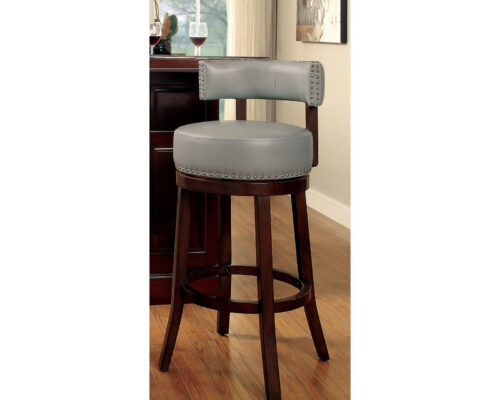
Furniture of America
Furniture of America Shirley Transitional Solid Wood Bar Stool
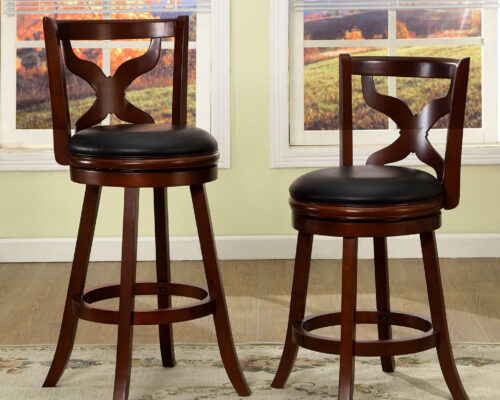
Furniture of America
Furniture of America Baltic Transitional Wood Dark Cherry Swivel Bar Stool
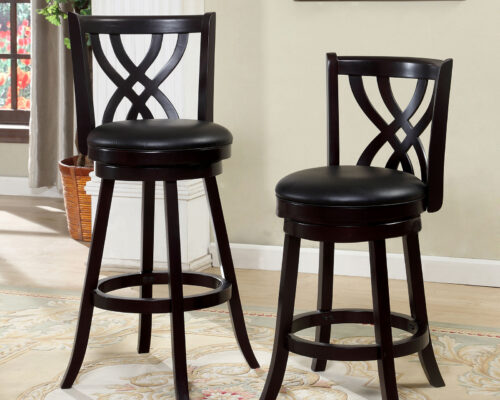
Furniture of America
Furniture of America Wendel Transitional Leatherette Wood Espresso Swivel Bar Stool
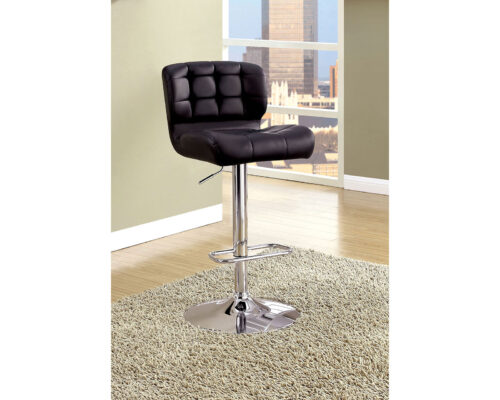
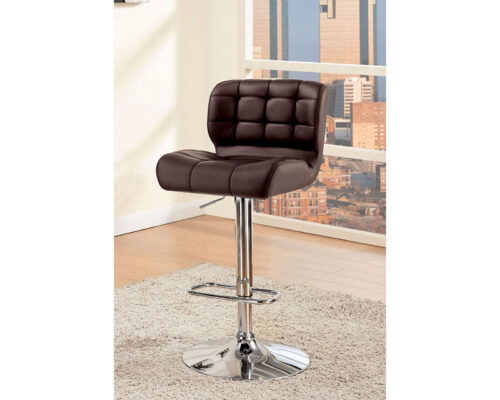
Furniture of America
Furniture of America Kori Contemporary Tufted Design Bar Stool
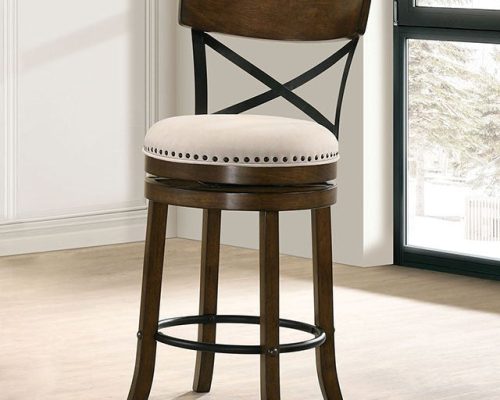
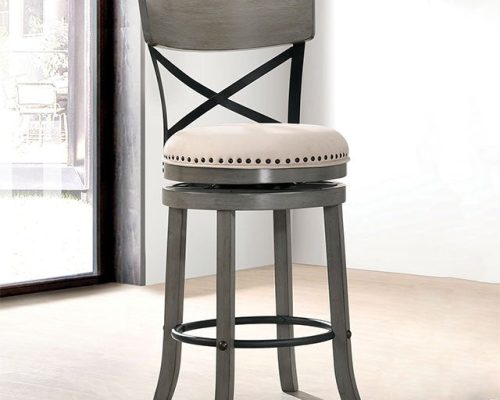
Furniture of America
Furniture of America Clarence Transitional Solid Wood Swivel Barstool
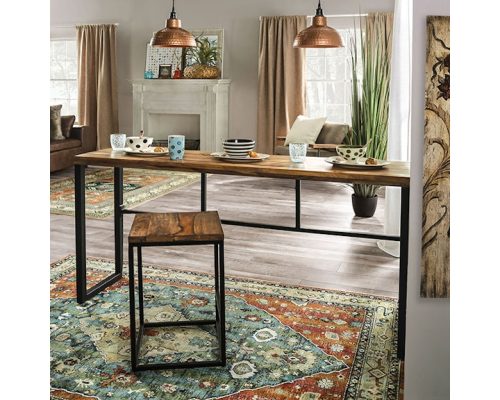
Furniture of America
Furniture of America Larkspur Rustic Solid Wood Natural Tone/Black Bar Stool
Frequently Asked Questions
Counter-height tables and islands stand 35-40 inches tall and pair with stools that have a seat height of 22-26 inches. Bar-height tables and bars stand around 41-43 inches tall and pair with stools that have a seat height of 27-35 inches. For a 36-inch counter, choose a seat height of 24-26 inches; for a bar-height counter at 40-42 inches, select a seat height of 28-30 inches. Always measure your specific surface rather than assuming a standard height.
Measure your counter from the floor to the top, then subtract 10-12 inches — this is your ideal seat height. No matter what table height you have, there should always be 10-12 inches of space between the bar stool seat and the bottom of the counter or table so that you can sit comfortably. Forget the label — tape your counter height on a wall or doorframe, then sit in a stool you already own at that height before buying, since the listing’s numbers can be misleading once you’re actually seated.
We recommend allowing 24 inches of space per bar stool for comfortable place settings — divide your countertop length by 24 and round down to the nearest whole number. A bar stool’s seat width directly impacts how many stools fit along your counter — measure the width of your counter or bar to determine the right number. As a general guideline, you can fit one stool for roughly every 2 feet of bar or counter space.
For taller pub tables or counters measuring 46-48 inches, look for stools with a 34-inch seat height — often called spectator height stools. Extra-tall stools run a 33-36 inch seat and only make sense for 44-47 inch surfaces, such as a raised entertainment bar or custom-built tall counter. For ordinary kitchens, these are too tall, and you’ll feel it the moment your feet leave the footrest.
Backless stools typically measure 24-30 inches total height, offering the lowest profile. Low-back stools add 8-12 inches above the seat height for modest back support. Full-back stools add 15-20 inches above the seat height for maximum lumbar support. A backless stool allows you to push it under the counter when not in use, leaving as much floor space open as possible — choose full-back if you’ll be sitting for extended periods regularly.
The NKBA’s kitchen planning guidelines call for about 15 inches of clear knee space at a 36-inch counter and 12 inches at a 42-inch bar — taller surfaces require shallower knee reach. Counter overhang is what gives you space under the counter for your legs — if the overhang is narrow, avoid large or deep stools. A footrest at the wrong height is one of the most overlooked comfort issues — make sure it positions correctly for your typical user’s leg length.
The same guidelines set 36 inches of clearance behind seated stools when no one walks past, and 44 inches when there’s a traffic lane behind them. In a tight kitchen, this single measurement determines how many stools will actually fit comfortably without people bumping into each other while seated or passing through.
Make sure to account for the additional width of a bar stool’s arms — if you’re tight on space, armless bar stools help you maximise your kitchen counter or bar table. If you want low-back or full-back stools with armrests, make sure the arms are low enough to fit under the counter overhang, with at least 2 inches of clearance between the underside of the tabletop and the top of the armrests so the stools slide in and out comfortably.
Swivel stools add convenience for getting on and off the stool and for turning to face different directions during conversation, which is especially useful at a kitchen island used for both cooking and socialising. Swivel stools require allowing extra room between each seat to make it easier for people to get in and out. If a stool has a swivel function, leave 8-11 inches between stools even at narrower widths, since the rotating motion needs more clearance than a stationary seat.
Bar stools come in a huge range of styles with various functions — upholstered stools are the most comfortable option, ideal for regular daily use, while wood is durable and handsome, and metal finishes like iron lend a classic look while chrome adds contemporary appeal. Choose leather for an attractive look that’s easy to keep clean, and consider how the material complements your counter and surrounding decor for a unified, cohesive feel.