
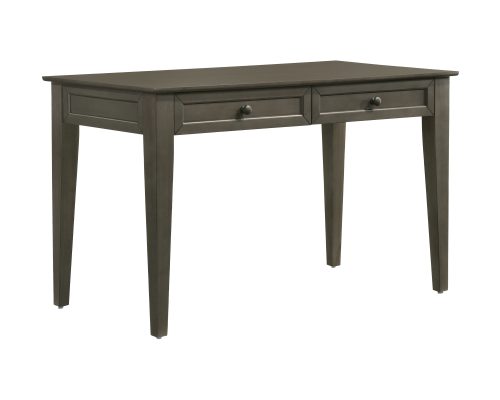
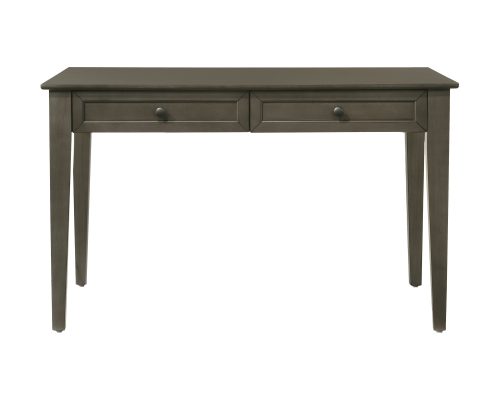
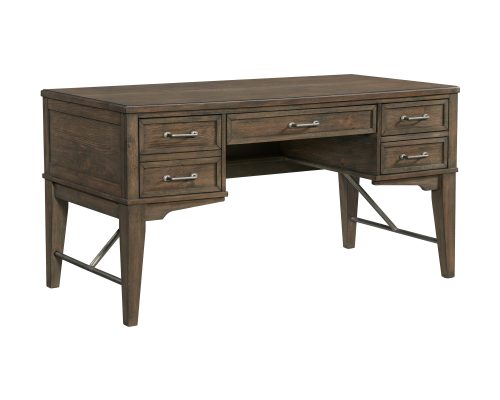
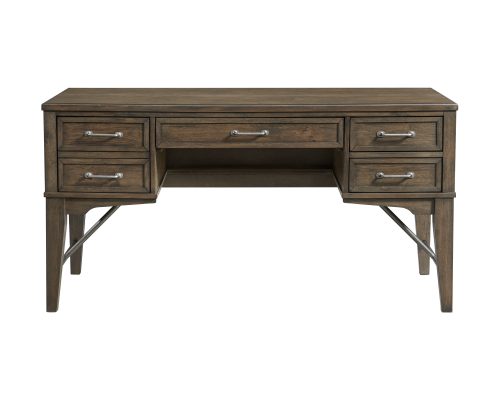
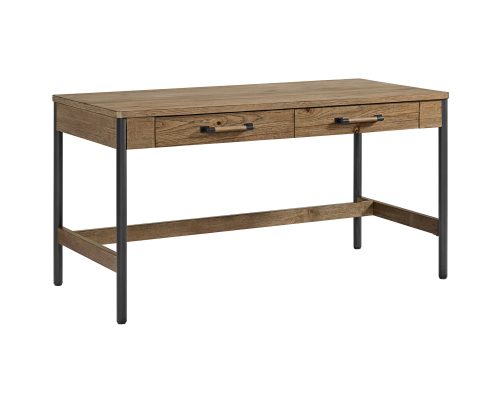
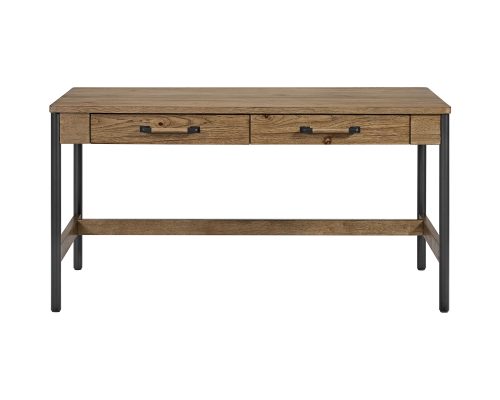
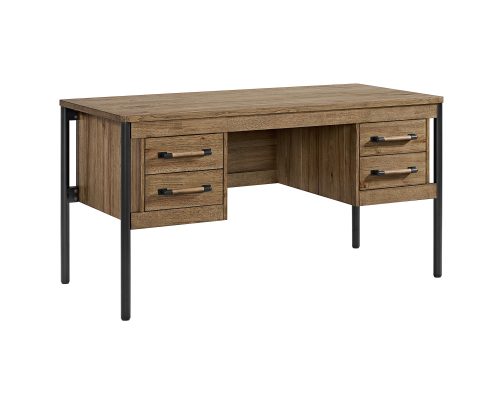
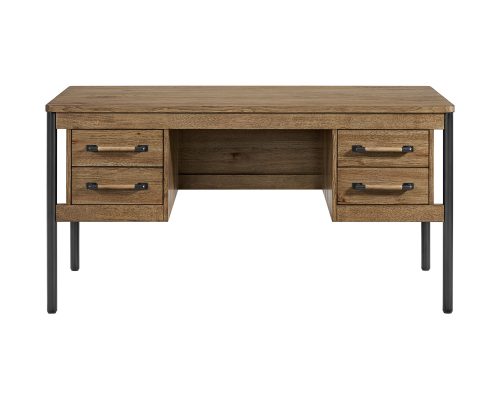
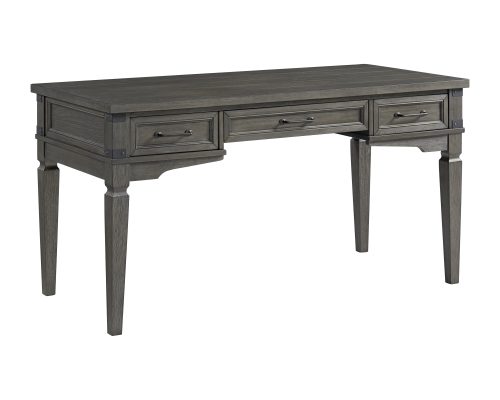
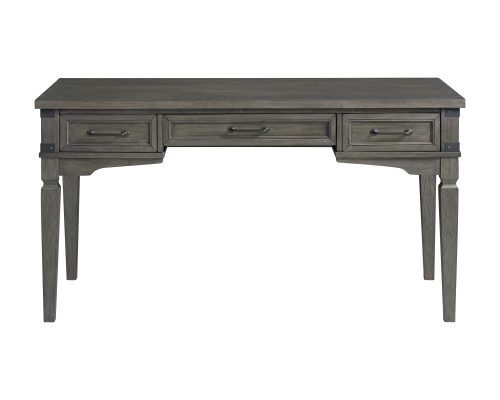
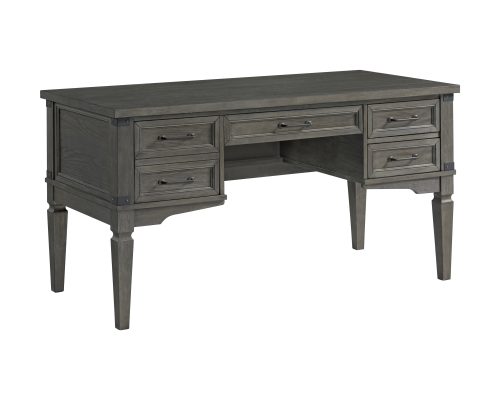
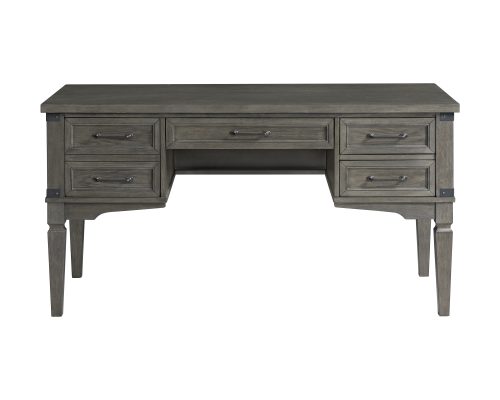
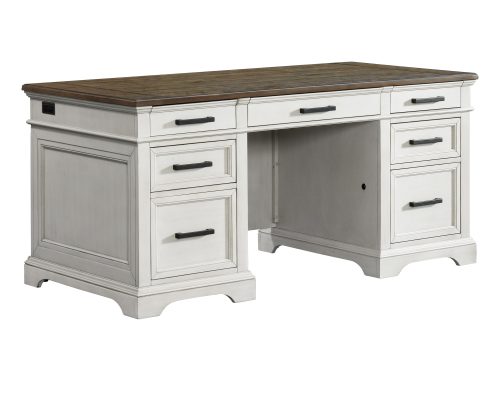
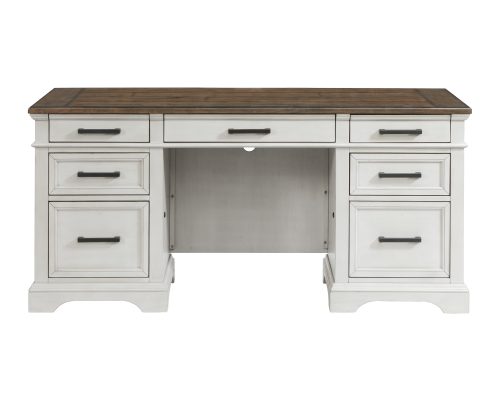
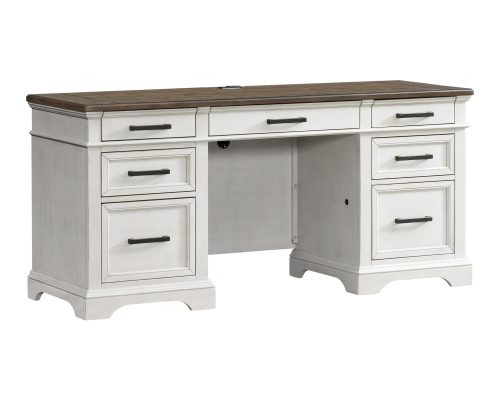
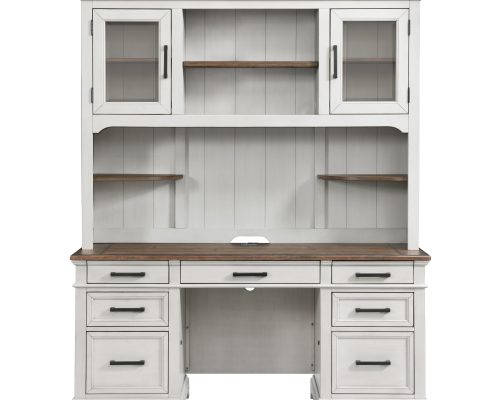
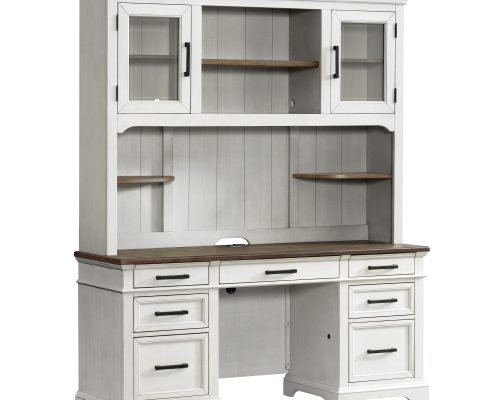
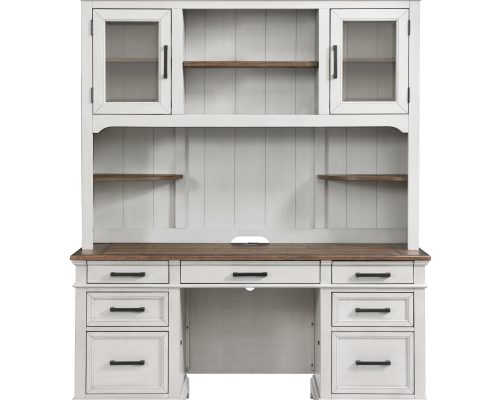
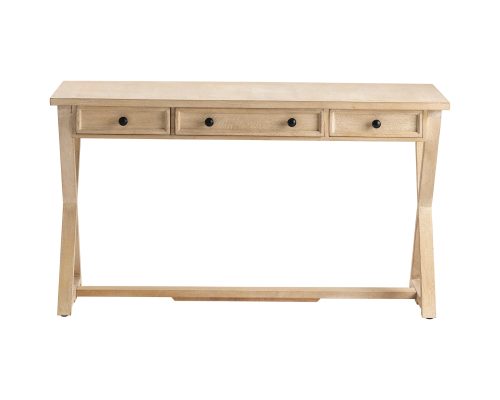
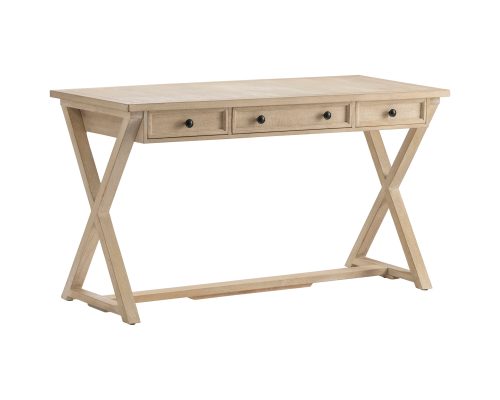
Crestview Collection
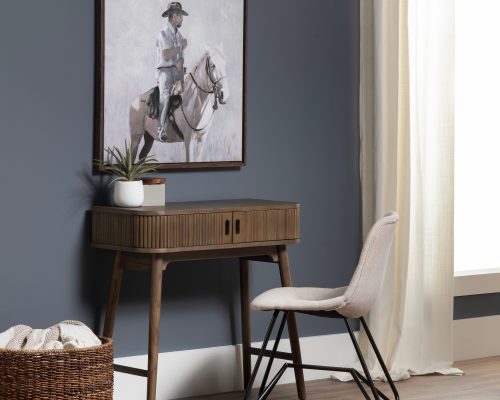
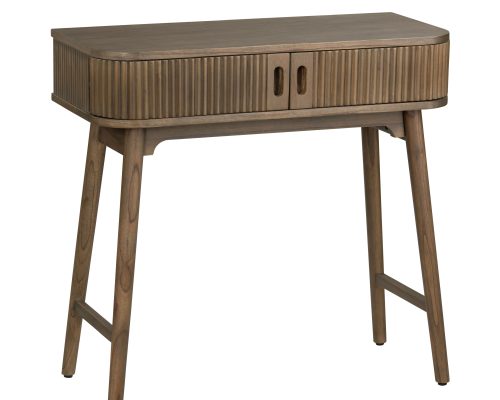
Crestview Collection
Furniture of America
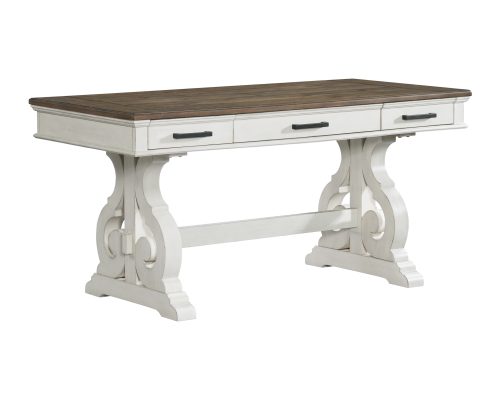
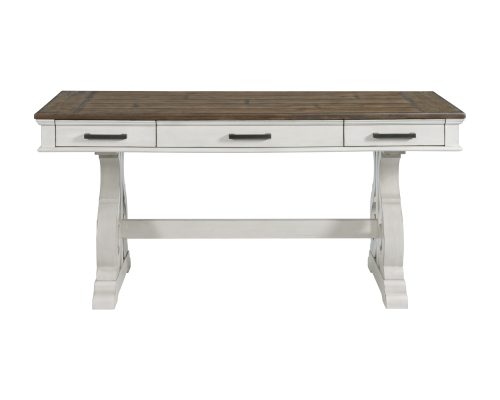
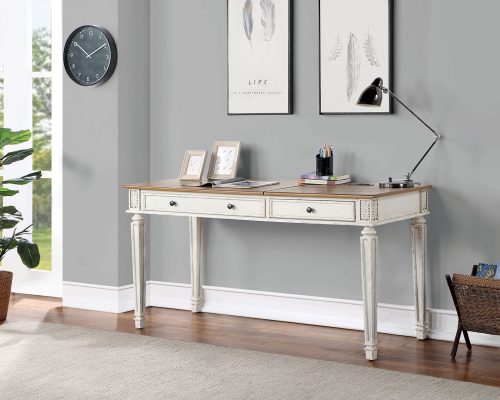
Furniture of America Cesare Transitional Antique White/Oak Lift-top Desk
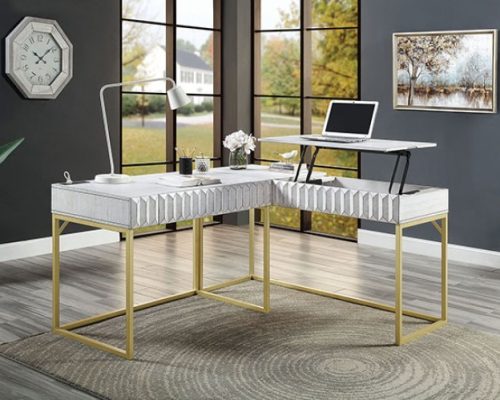
Furniture of America
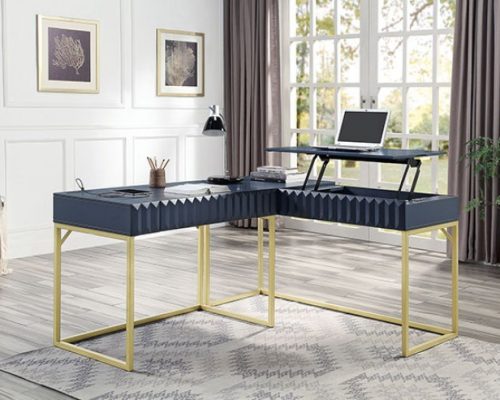
Furniture of America Freiburg Transitional Solid Wood Corner Desk
Furniture of America
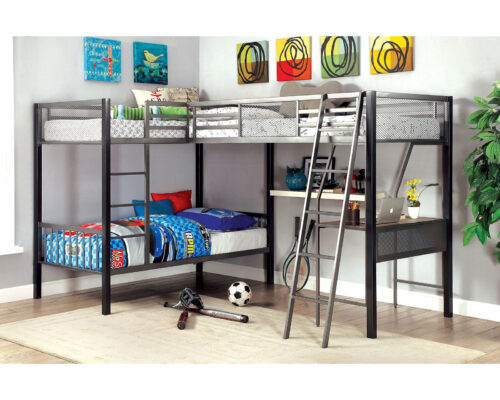
Furniture of America Ballarat Contemporary Silver Triple Twin Bunk Bed with Desk
Frequently Asked Questions
The standard height for a home office desk is 29 to 30 inches from the floor to the top of the desktop. This height is ergonomically designed to accommodate most adults using a standard adjustable office chair, allowing your feet to rest flat on the floor with your knees bent at a 90-degree angle.
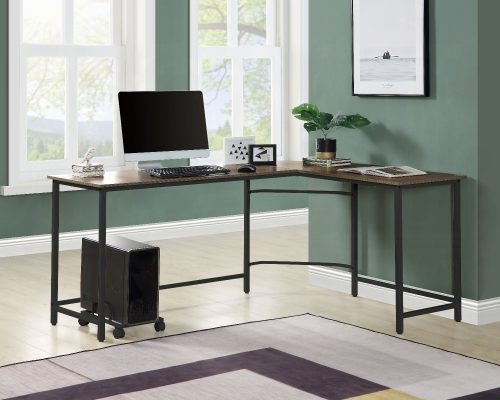
An L-shaped desk requires a dedicated corner or significant floor space. Most standard L-shaped desks need a footprint of at least 60 by 60 inches (5 feet by 5 feet). Always measure both wall lengths and ensure you have an additional 3 feet of clearance behind the desk to comfortably maneuver your office chair.
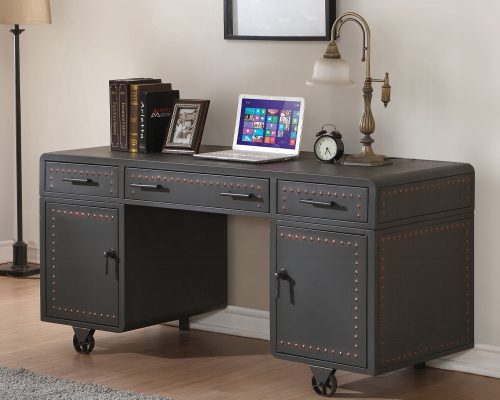
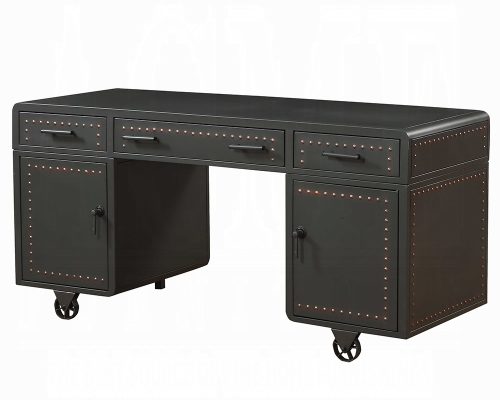
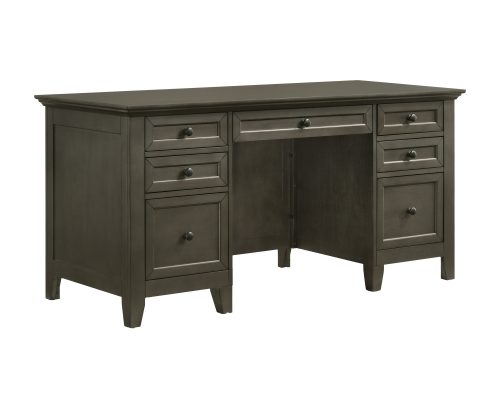
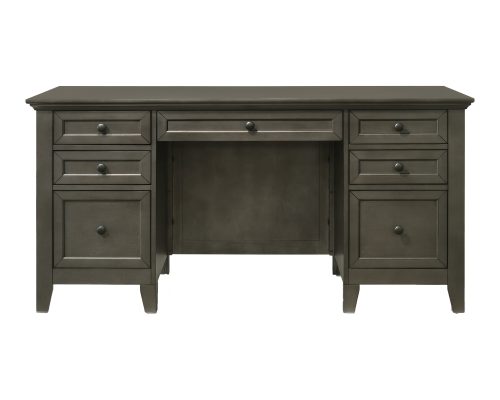
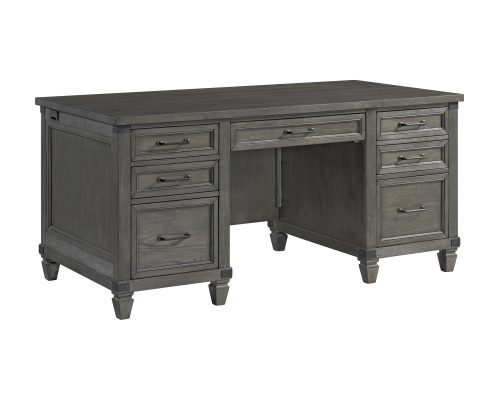
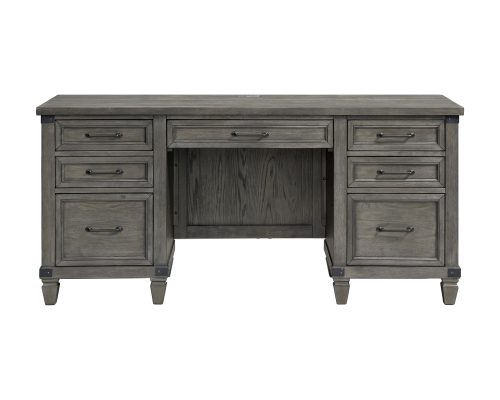
An executive desk is a large, heavy piece of furniture with a double-pedestal base (drawers on both sides reaching the floor), designed for commanding presence and ample storage. A computer desk is typically lighter and more streamlined, specifically designed with features like wire management grommets, a pull-out keyboard tray, and space for a CPU tower.
Writing desks are generally designed for laptops and paperwork, featuring a minimalist design with slim legs and minimal storage. While a high-quality, solid wood writing desk can easily support the weight of a desktop monitor, the lack of wire management and a dedicated keyboard tray makes them less ideal for heavy desktop computer setups.
If you use dual monitors, you need a desk that is at least 48 to 55 inches wide. This provides enough width to place two standard 24-inch or 27-inch monitors side-by-side without the screens hanging off the edges, while still leaving room for your mouse, keyboard, and speakers.
A credenza desk is a long, narrow desk that often includes extensive built-in storage, such as lateral file drawers and cabinets. They are typically placed against a wall, sometimes behind a freestanding executive desk, to provide a secondary workspace and keep paperwork and office supplies out of sight.
High-quality solid wood desks are built to last a lifetime, but because wood is a natural material, it responds to changes in humidity. To prevent warping or cracking, keep the desk away from direct heat sources like radiators, use a humidifier in dry winters, and wipe up spills immediately.
A drop-down keyboard tray looks like a standard drawer when closed, maintaining the desk’s aesthetic. However, the front face drops down horizontally on hinges to provide a flat, ergonomic surface for typing. This keeps your keyboard hidden when not in use and frees up valuable surface area on the desktop.
Many modern office desks feature built-in wire management systems, such as grommet holes drilled into the desktop to route cables neatly. If your desk doesn’t have grommets, you can use cable management trays attached to the underside of the desk, zip ties, and adhesive cord clips to keep cables organized and hidden.
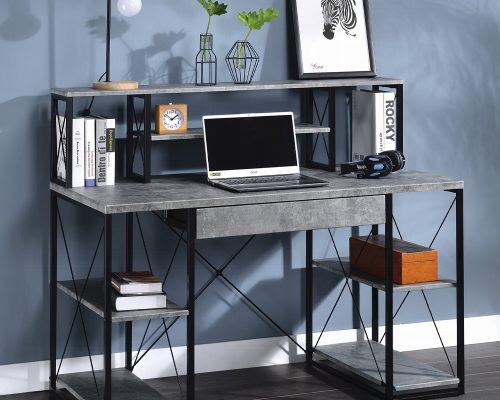
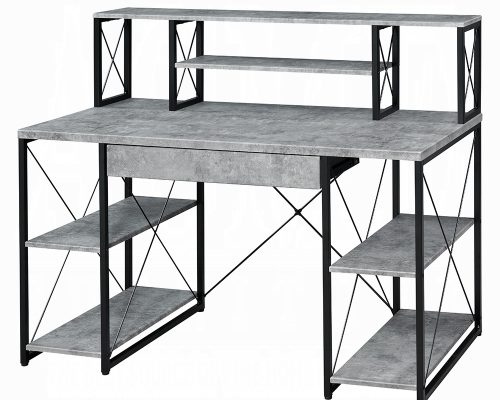
A hutch is a set of shelves or cabinets placed on top of a desk to provide vertical storage for books, binders, and display items. While highly practical, you cannot add a hutch to just any desk; the desk must be structurally designed to support the heavy weight of the hutch, and the dimensions must align perfectly.