
Frequently Asked Questions
A bookcase is a freestanding furniture piece with fixed or adjustable shelves, primarily designed to store and display books. A shelving unit is broader in scope — it can be wall-mounted or freestanding and is used for a wider range of items including decor, baskets, and media. In living rooms, both serve display and storage purposes, but bookcases typically offer a more finished, furniture-like appearance.
Before buying, measure your room carefully, noting height, width, and length — and don’t forget plug points, light switches, and heating vents that need to remain accessible. LuxeDecor As a general guide: low bookcases sit around 36 inches high and work well under windows; medium bookcases at about 60 inches suit most living rooms; and tall bookcases at 72 inches or more are best for maximising vertical space.
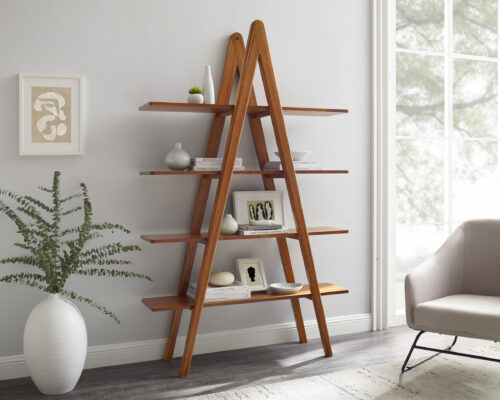
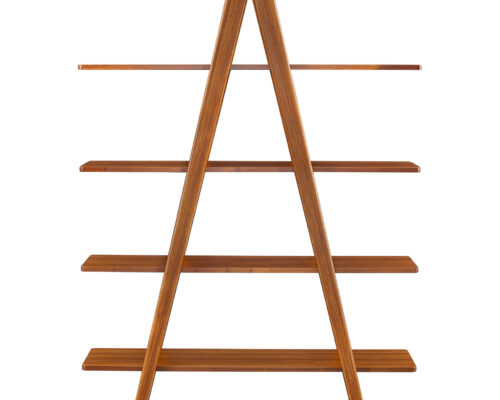
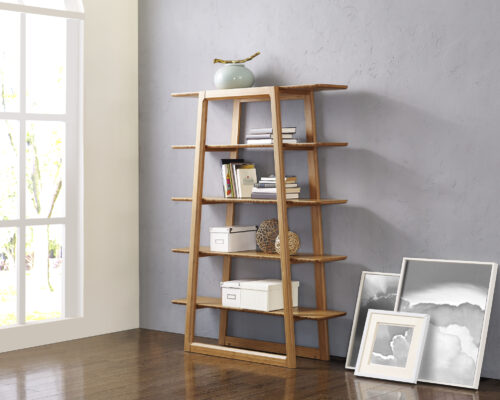
Ladder bookcases are ideal for tight spaces like apartments or smaller rooms where a full-sized bookcase might feel overwhelming. Their shelves get progressively smaller toward the top, making them great for displaying collections, framed photos, and small plants. Colder’s Corner bookcases are also a smart pick for small rooms since they use wall corners rather than open floor space
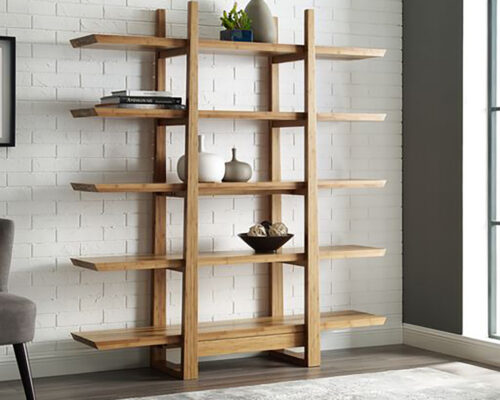
Open shelving is perfect for keeping books and photos on display or decorating with plants, while closed doors are better for hiding clutter. Storage-and-display combinations give you the best of both worlds — conceal less attractive items in the cabinet section and display favourites on open shelves.
Wood ranges from durable hardwoods like oak and maple to softer, more affordable options like pine. Metal offers a modern look and high durability, making it great for heavy loads and industrial or minimalist decor styles. Appliance Center of Toledo While wood bookcases cost more upfront, they last longer and hold their structural integrity better over time than particleboard or MDF alternatives.
Weight capacity varies by material: particleboard shelves typically hold 30–50 lbs per shelf; plywood holds around 50–80 lbs; solid wood can handle over 100 lbs per shelf depending on thickness; and metal frames can support up to 200 lbs per shelf in some cases. Tribesigns Always check the manufacturer’s specified load rating before filling shelves with heavy books or collectibles.
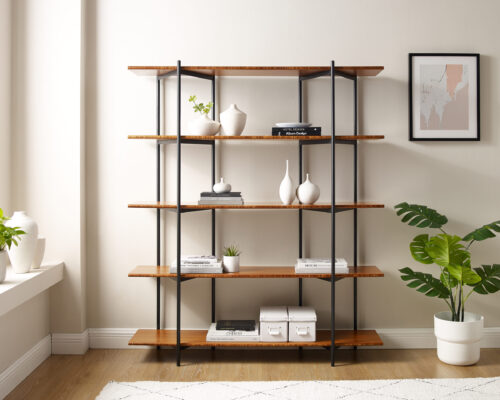
The “bookshelf wealth” trend encourages a curated, personal look — mixing books with mementos and decorative items, styled with warm lighting and varied textures. Tribesigns Practically, place taller books on lower shelves and smaller books higher up, and mix in decorative items like vases or framed photos for visual balance.
Yes — especially tall units. For households with pets or children, prioritise safety and stability, and consider anchoring taller units to the wall to prevent tipping, particularly if children are likely to climb or pull on shelves. Living Spaces Most tall bookcases come with wall attachment hardware included for exactly this reason.