
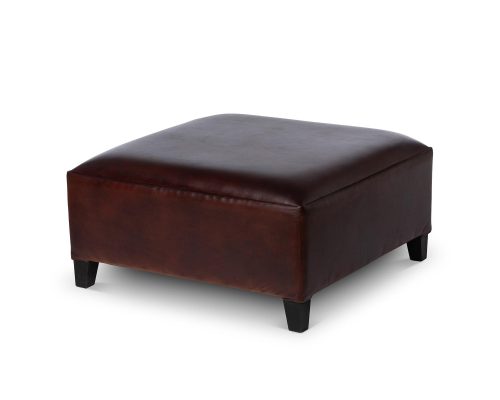
Park Hill
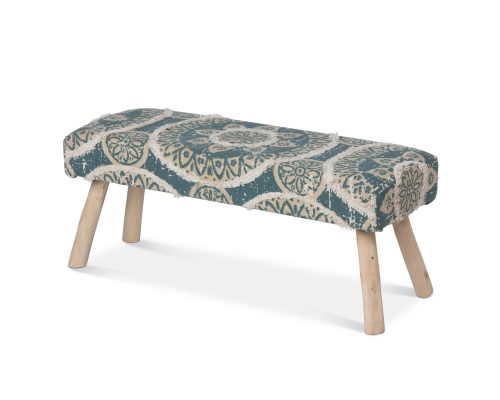
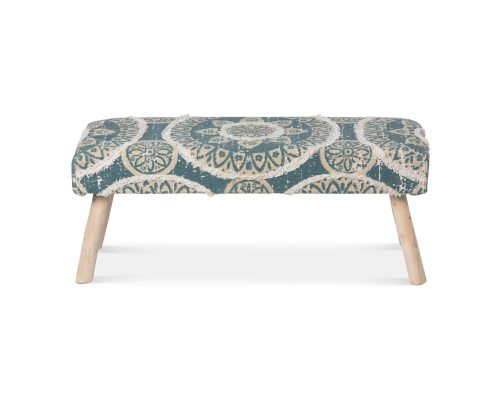
Park Hill
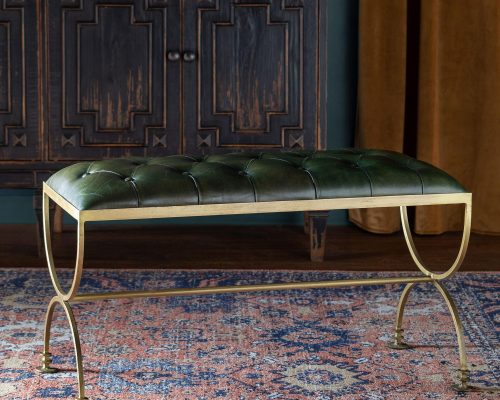
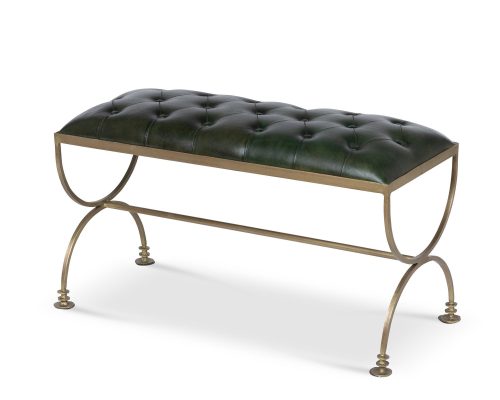
Park Hill
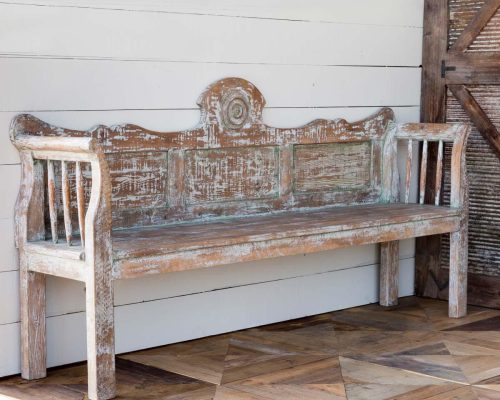

Park Hill
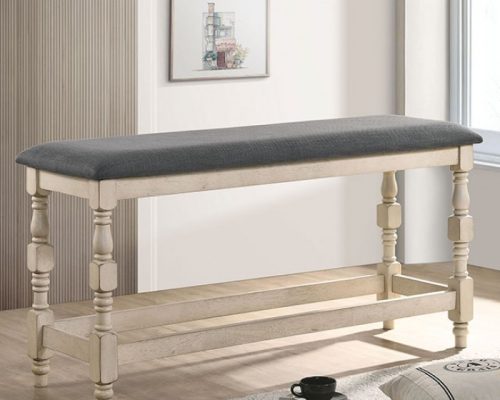
Furniture of America
Furniture of America Plymouth Rustic Solid Wood Ivory/Dark Gray Counter Height Bench
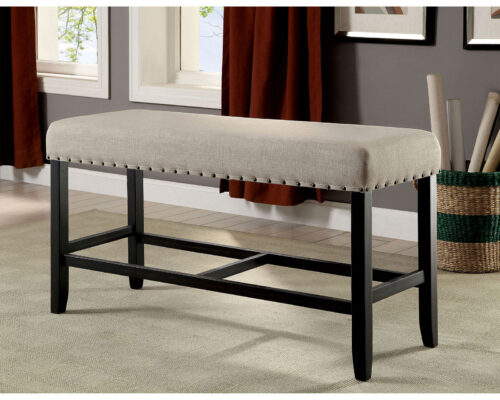
Furniture of America
Furniture of America Sania Rustic Solid Wood Antique Black/Beige Counter Height Bench
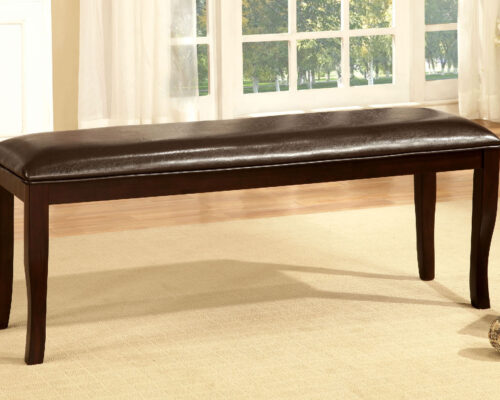
Furniture of America
Furniture of America Woodside Transitional Solid Wood Dark Cherry/Espresso Bench
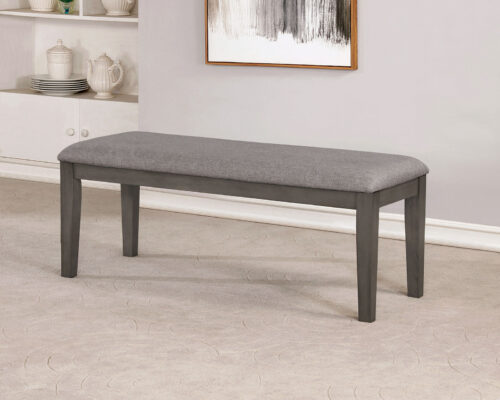
Furniture of America
Furniture of America Viana Transitional Solid Wood Gray/Light Gray Bench
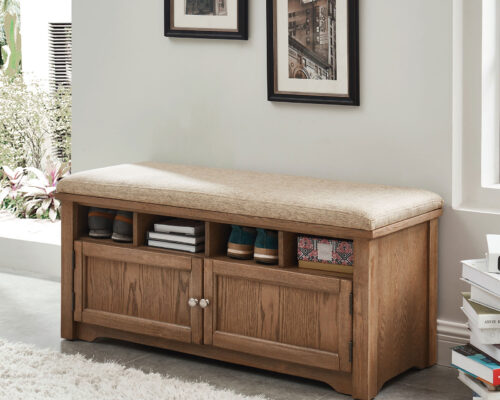
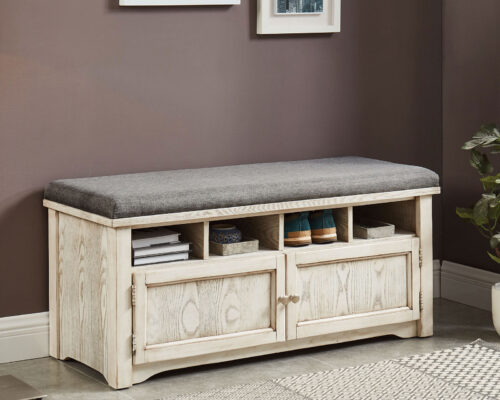
Furniture of America
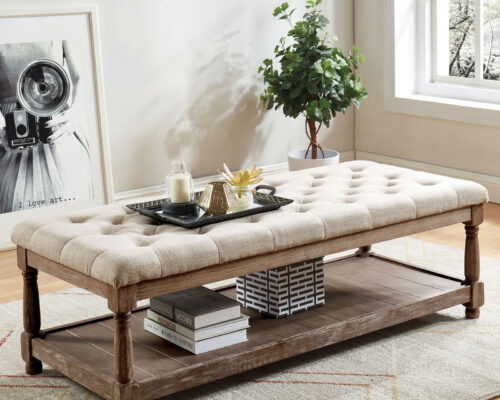
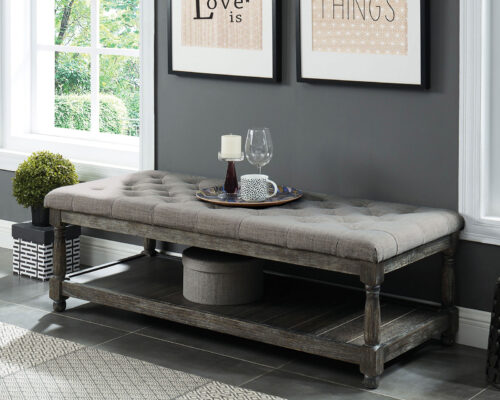
Furniture of America
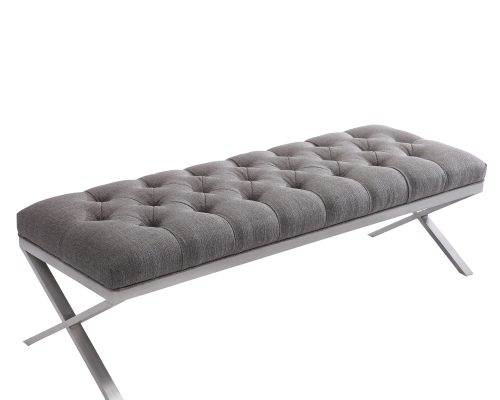
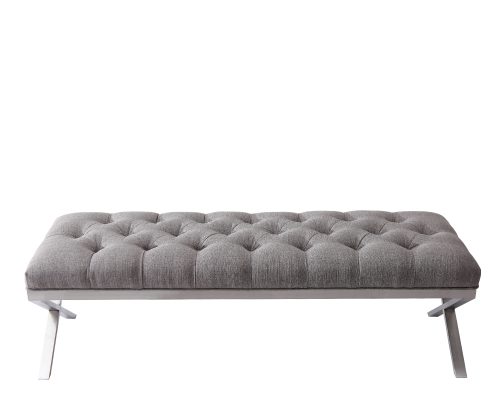
Armen Living
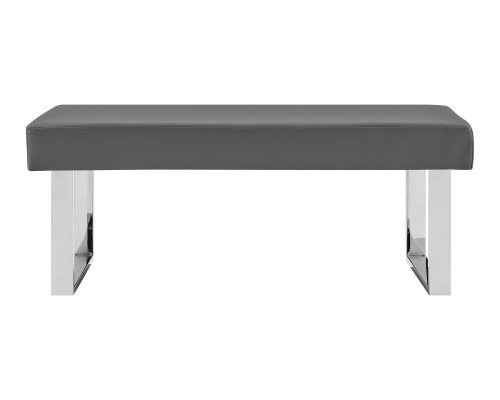
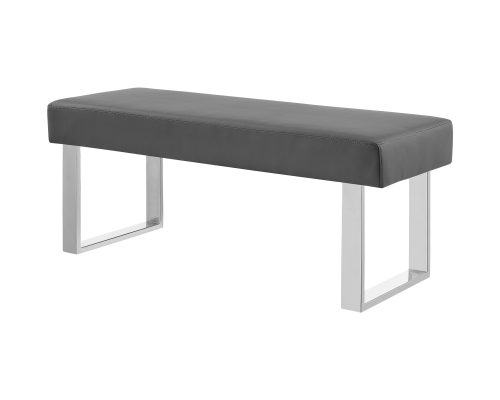
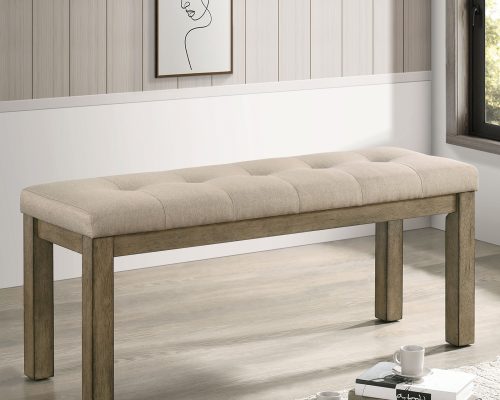
Furniture of America
Furniture of America Templemore Rustic Light Brown/Beige Bench
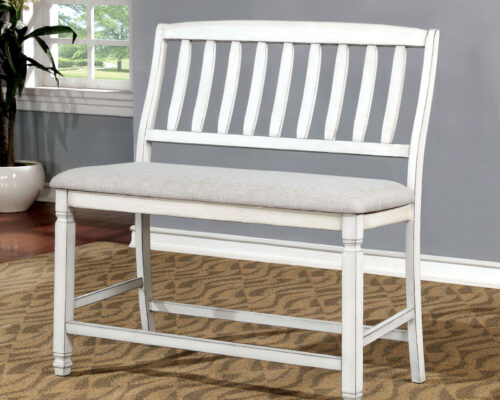
Furniture of America
Furniture of America Kaliyah Traditional Antique White Counter Ht. Bench
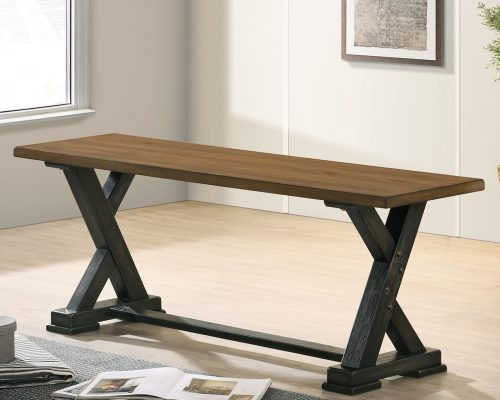
Furniture of America
Furniture of America Yensley Rustic Antique Oak/Antique Black Bench
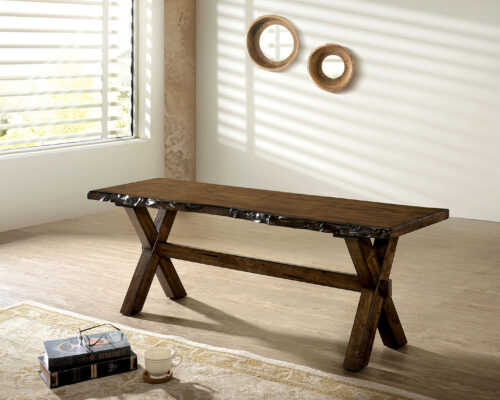
Furniture of America
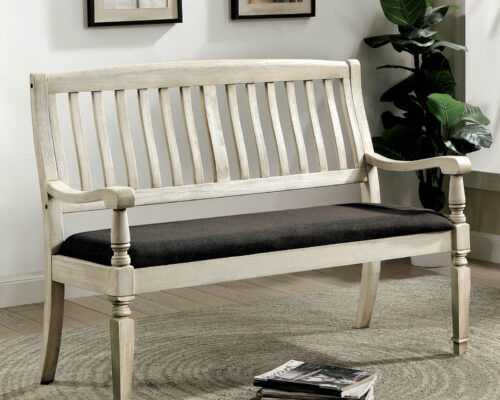
Furniture of America
Furniture of America Georgia Transitional Antique White/Gray Loveseat Bench
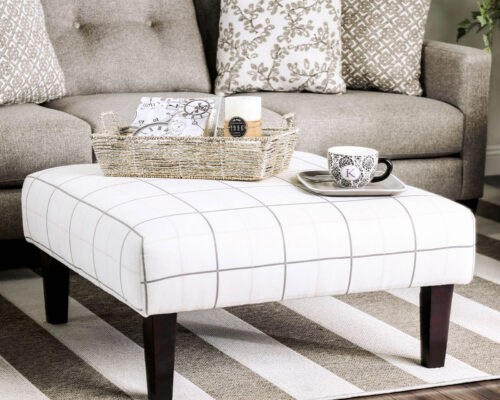
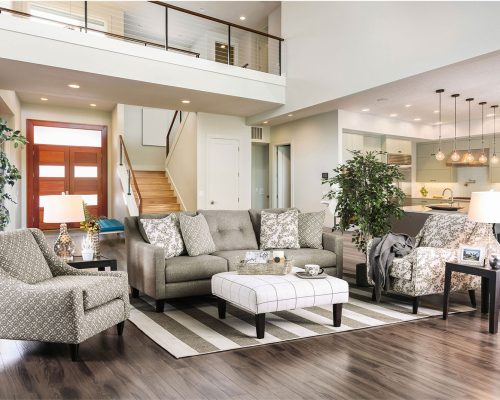
Furniture of America
Furniture of America Dorset Transitional Ivory/Pattern Ottoman

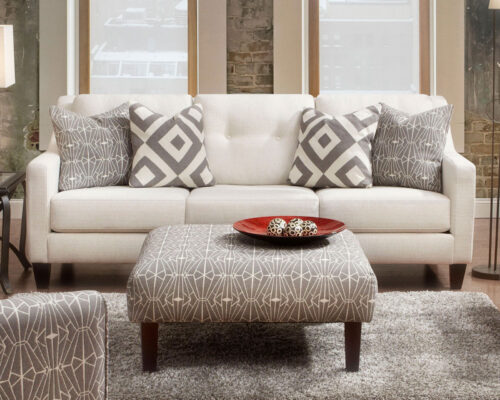
Furniture of America
Furniture of America Parker Transitional Gray/Pattern Ottoman
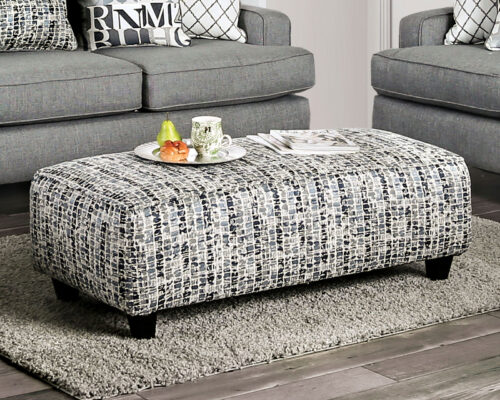

Furniture of America

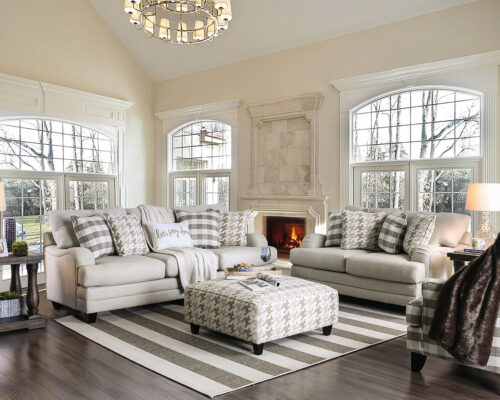
Furniture of America
Furniture of America Christine Transitional Light Gray/Pattern Ottoman
Furniture of America
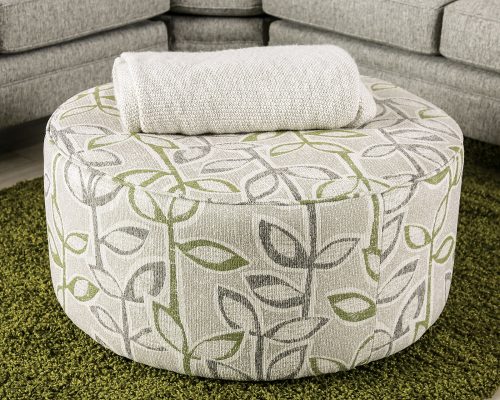
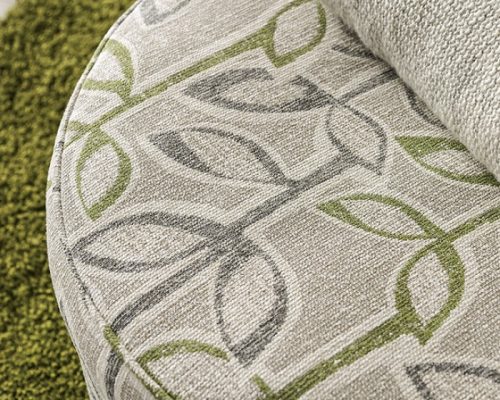
Furniture of America Gardner Transitional Gray/Green Ottoman
Furniture of America
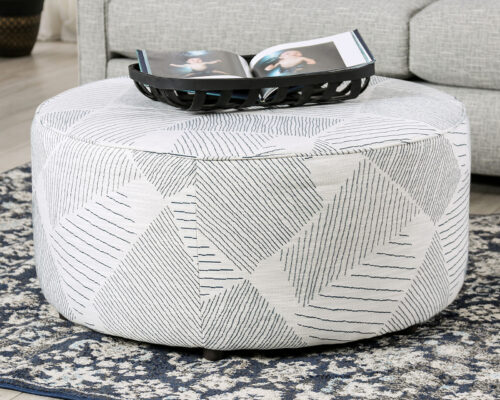
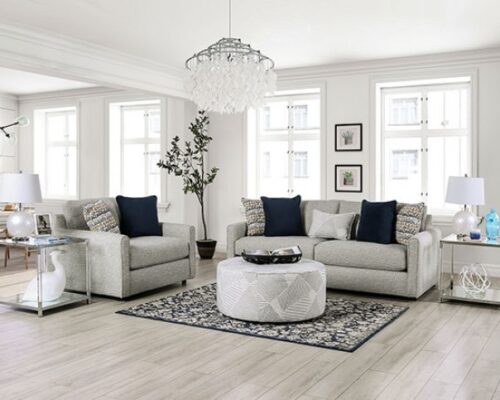
Furniture of America Chancery Transitional Gray/Navy Ottoman
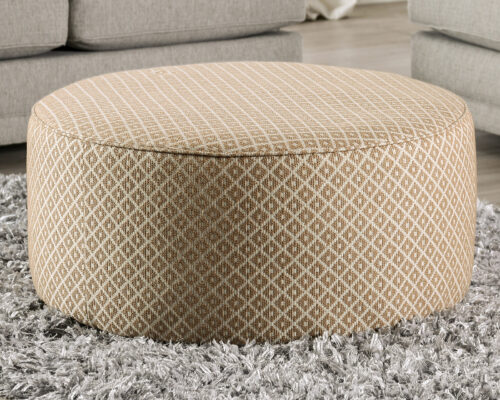
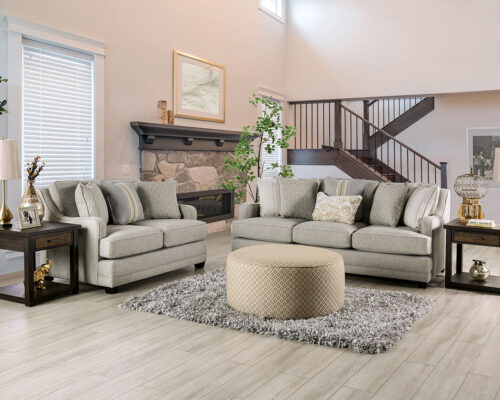
Furniture of America
Furniture of America Stephney Transitional Gray/Gold Ottoman
Frequently Asked Questions
A living room ottoman works as a footrest, extra seat, or coffee table substitute. Add a tray on top to hold drinks and books, or choose a storage ottoman to tuck away blankets and remotes. It’s one of the most flexible pieces you can add to a living room.
Ottomans are typically square or round, fully upholstered, and used as footrests, seating, or coffee tables. Benches are longer and narrower, better suited for multi-person seating along a wall or behind a sofa. Both can include hidden storage, but ottomans offer more placement flexibility while benches seat more people at once.
Yes. Place a sturdy tray on top and an ottoman works just like a coffee table — holding drinks, remotes, and décor. It’s also safer than a hard-edged table in homes with children, and doubles as extra seating when guests visit. A firm fabric or leather ottoman works best for this purpose.
The most common spot is in front of the sofa as a footrest or informal coffee table. It also works beside an armchair, tucked into a corner, or used to define a seating area in an open-plan room. Leave at least 45cm of clearance around it to keep movement easy.
As a general rule, your ottoman should be roughly two-thirds the length of your sofa and level with or slightly lower than your seat cushions. In small rooms, go for a compact square or two smaller poufs. In larger spaces, a rectangular or round ottoman can anchor the seating area.
Leather and faux leather are the easiest to clean, making them great for homes with kids or pets. Velvet and linen fabrics offer a softer look but need more care. For benches, a solid wood frame with an upholstered seat balances durability and style. Always check that the frame is hardwood for long-term use.
Yes — a compact ottoman or slim bench can add seating and storage without overcrowding a small space. A storage ottoman is especially useful as it hides clutter while serving as a footrest or seat. Stick to lighter colours and simple shapes to keep the room feeling open and uncluttered.
Place a wooden tray on top with a candle, small plant, or books to make it functional and decorative. Drape a throw blanket over one side for a relaxed feel. Your ottoman doesn’t need to match the sofa — a contrasting colour or texture often makes it a stronger accent piece.