
Frequently Asked Questions
The standard depth for most home bookcases is between 10 and 12 inches, which perfectly accommodates standard paperback and hardcover books. If you plan to store oversized coffee table books, vinyl records, or large office binders, you should look for a deeper bookcase with shelves measuring 14 to 15 inches deep.
Yes, it is strongly recommended that any bookcase taller than 30 inches be securely anchored to a wall stud using anti-tip hardware. Bookcases become incredibly front-heavy when loaded with books, making them a significant tipping hazard for children or pets if they are bumped or climbed on.
Weight capacity depends on the shelf’s material and span. A standard engineered wood (MDF) shelf usually holds 20 to 30 pounds, while a solid wood or heavy-duty metal shelf can hold 50 to 100 pounds. To prevent the shelves from bowing over time, always place your heaviest books and objects on the lowest shelves.
A standard bookcase usually features solid side panels and a closed back, giving it a heavy, traditional furniture feel. An étagère is an open-frame shelving unit (often made of metal and glass or open wood framing) that lacks a back and solid sides. Étagères provide a lighter, more airy look, making them ideal for displaying decorative items rather than just heavy books.
Most high-quality freestanding and modular bookcases feature adjustable shelving. They typically utilize a peg-and-hole system drilled into the interior side panels, allowing you to easily move the shelves up or down to accommodate books or display objects of varying heights.
Yes, cube organizers and backless open bookcases make excellent room dividers in studio apartments or large, open-concept living rooms. Because they let light pass through, they separate spaces without making the room feel smaller. However, if used as a freestanding divider, the base must be heavily weighted or secured to the floor or a perpendicular wall for stability.
To prevent sagging (bowing), ensure you do not exceed the manufacturer’s weight limit per shelf. Additionally, look for bookcases with shorter shelf spans (less than 36 inches wide) or those featuring a center support divider. If you have a massive collection of heavy books, solid wood or metal shelving is far more warp-resistant than particleboard.
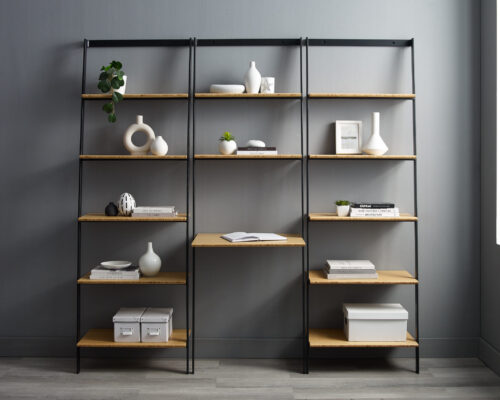
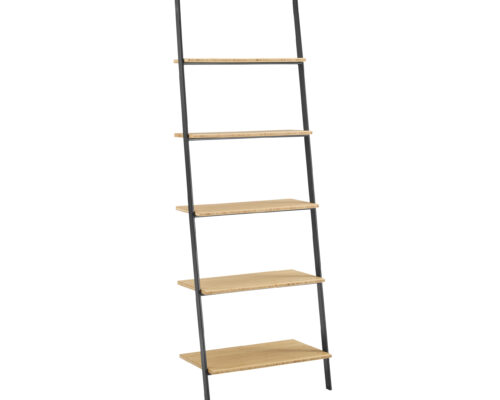
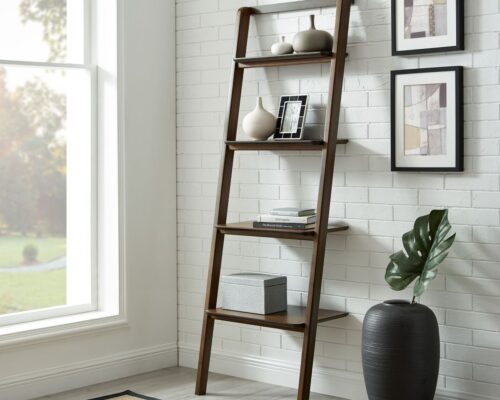
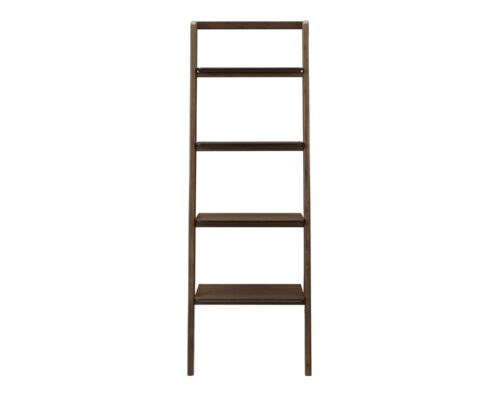
A ladder bookcase features an angled frame that leans against the wall, with shelves that gradually increase in depth from top to bottom. They have a sleek, modern footprint that draws the eye upward, making them perfect for small rooms or tight corners where a traditional, bulky bookcase would feel too heavy.
Interior designers often use the 60/40 rule: fill 60% of the shelf space with books and leave 40% open for negative space and decorative objects. Alternate stacking your books vertically and horizontally, and break up long rows of spines by placing small plants, framed photos, or sculptural bookends in the gaps to create visual balance.
Modular shelving systems consist of individual units (like cubes, stackable shelves, or interlocking brackets) that can be configured, expanded, or rearranged to fit your specific wall space. They offer maximum flexibility, allowing you to start with a small storage footprint and easily add more matching units as your library or display collection grows.