
Smart Kitchen Storage for Everyday Ease
Make the most of your space with thoughtfully designed kitchen storage pieces that help you stay tidy, efficient, and inspired. Our collection includes durable kitchen storage cabinets, cookware, pantry staples, dinnerware, and more. With durable materials and versatile designs, each piece helps you keep your kitchen organized and ready for daily use. Explore our collection and create a cleaner, calmer, and more enjoyable space.
Park Hill
Park Hill

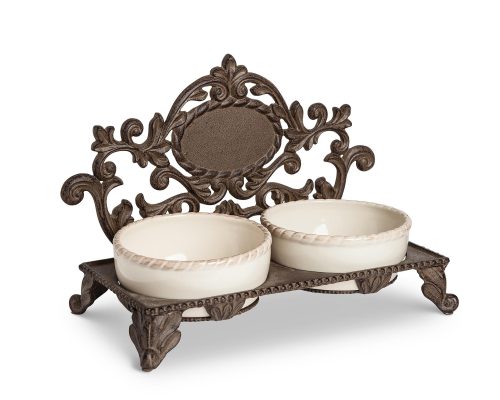
Park Hill
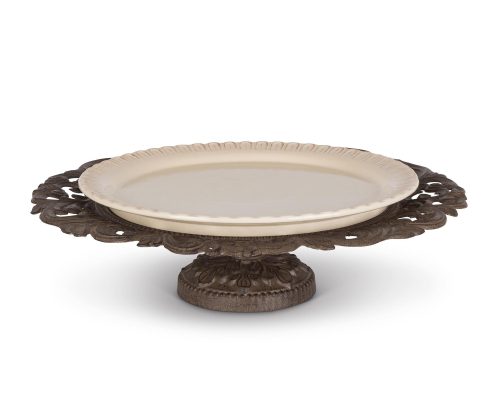
Park Hill

Frequently Asked Questions
A kitchen cart is generally smaller, lighter, and features visible casters (wheels) designed for mobility, allowing you to move your prep station wherever you need it. A freestanding kitchen island is larger, heavier, and usually stationary, functioning much like built-in cabinetry to provide a permanent prep surface, significant storage, and often overhang seating.
For safety and functionality, interior designers recommend leaving a minimum of 36 to 42 inches of clearance on all sides of a kitchen island. This ensures you have enough room to comfortably open oven doors, lower the dishwasher, and allow multiple people to walk through the kitchen simultaneously.
Originally designed with wire racks to cool freshly baked goods, a modern baker’s rack is an open, multi-tiered shelving unit usually made of metal and wood. Today, they function as versatile vertical storage stations, perfect for holding microwaves, coffee makers, cookbooks, and heavy stand mixers to free up your primary counter space.
Yes, but you must verify the cart’s weight capacity and surface dimensions. Microwaves are heavy and require a deep, stable surface. A heavy-duty microwave cart or a solid wood kitchen cart with locking wheels is perfectly safe, but avoid placing heavy appliances on lightweight wire or plastic utility carts.
Yes, most high-quality rolling kitchen carts and mobile islands come equipped with locking casters. Usually, two of the four wheels will have a foot-operated lever that locks the wheel in place, ensuring the cart remains completely stable and safe while you are actively chopping or prepping food.
The best material depends on your cooking style. Butcher block (solid wood) is classic, warm, and excellent for food prep. Stainless steel is heat-resistant, highly sanitary, and easy to clean, making it a favorite for avid cooks. Faux stone or quartz options offer a high-end, elegant look that resists scratching and staining.
Yes. To maintain a butcher block surface and prevent the wood from drying, cracking, or absorbing food stains, it must be conditioned regularly. You should apply a generous coat of food-grade mineral oil or butcher block wax once a month, especially if you plan to use it for direct food prep.
Modular kitchen storage refers to individual units—such as drawer bases, open shelving, and pantry cabinets—that are designed with matching dimensions and aesthetics so they can be grouped together. This allows you to mix and match pieces to create a custom-fitted storage wall that looks like built-in cabinetry without the remodeling costs.
Absolutely. Freestanding pantry cabinets are highly versatile and feature decorative finishes that allow them to blend into any room. In a dining room, they serve as excellent alternatives to traditional buffets or china cabinets, offering deep storage for large serving platters, extra glassware, and table linens.
Yes, anchoring is essential. Pantry cabinets are tall and have a narrow footprint. When loaded with heavy canned goods, glass jars, and small appliances on the upper shelves, they become top-heavy. To prevent them from tipping over when the doors are opened, they must be secured to a wall stud using anti-tip hardware.