
ACME
Frequently Asked Questions
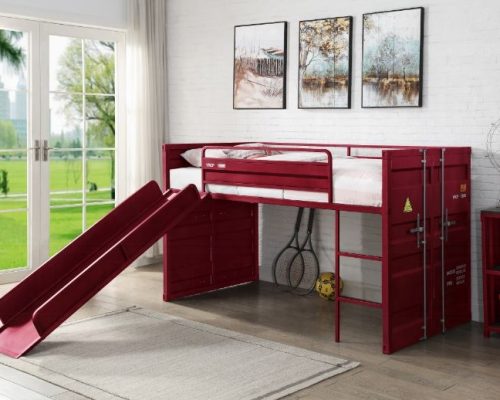
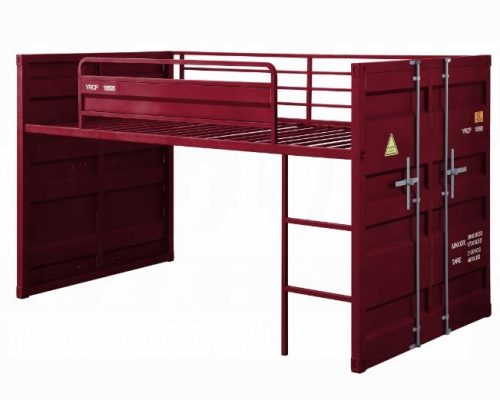
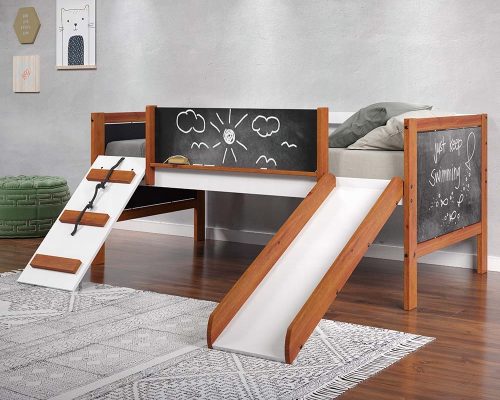
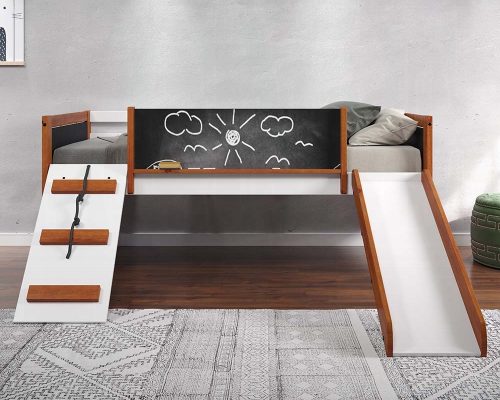
A bunk bed has two sleeping levels stacked on top of each other, with a bed on both the top and bottom. A loft bed only has a raised top bunk, leaving the space underneath open for a desk, storage, or play area instead of a second bed.
Most manufacturers recommend the top bunk for children age 6 and up, since younger kids are more prone to falls from a raised sleeping surface — the bottom bunk or a trundle option is generally considered safe for younger siblings in the meantime.
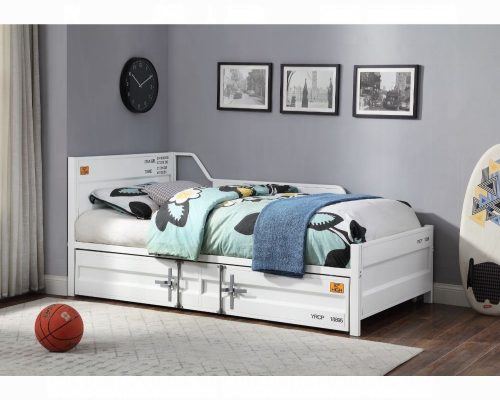
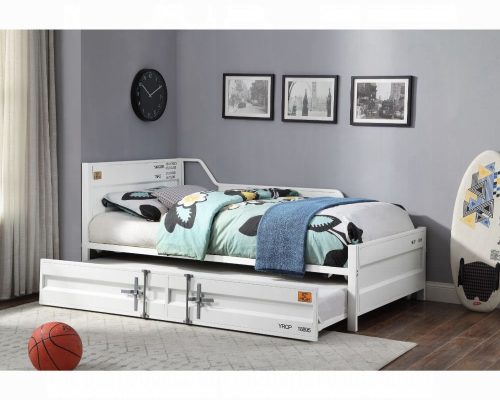
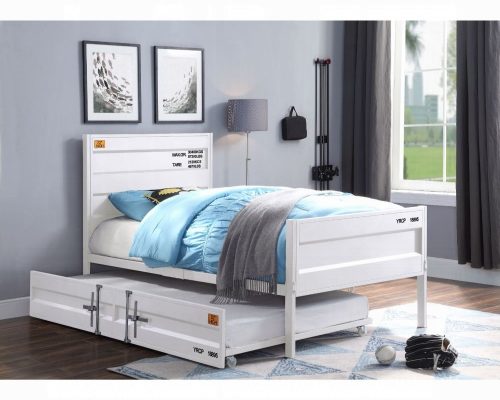
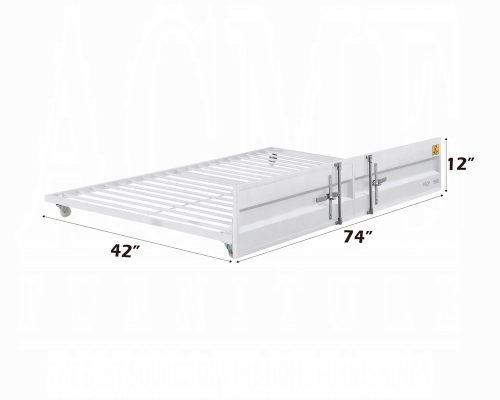
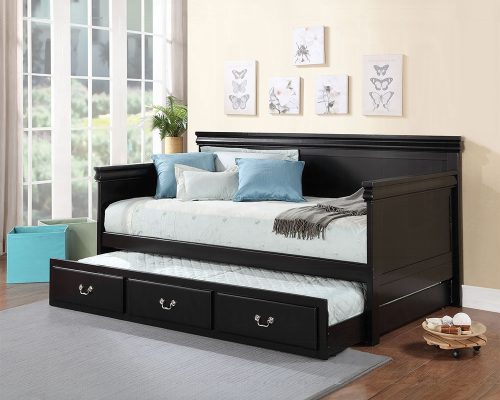
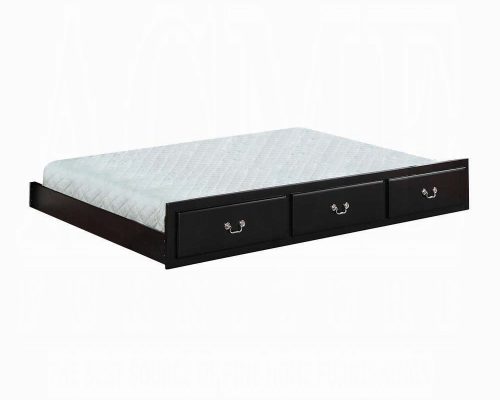
A twin trundle is a lower bed frame designed to slide out from underneath a main bed, adding a second sleeping space without taking up floor space when not in use. Some twin beds include this as a built-in feature, while others offer it as an optional add-on purchased separately.
Weight capacity varies by model and construction material, so it’s worth checking the specific listing’s weight rating before assuming a top bunk can handle an older child, teenager, or adult.
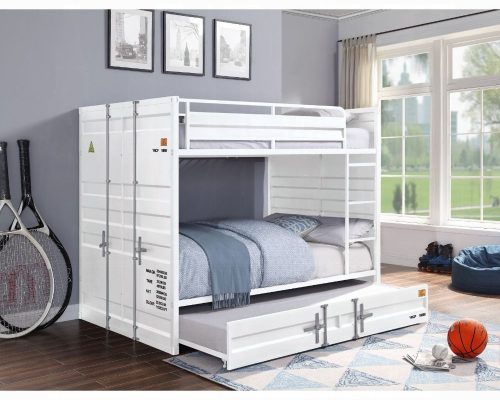
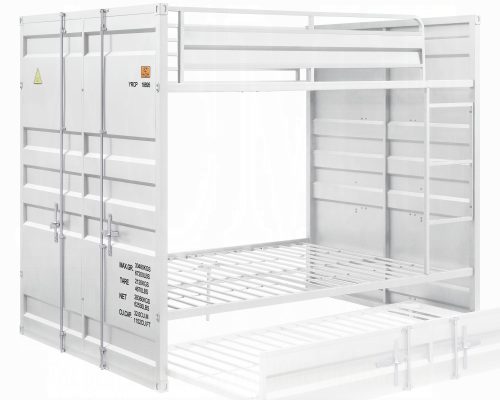
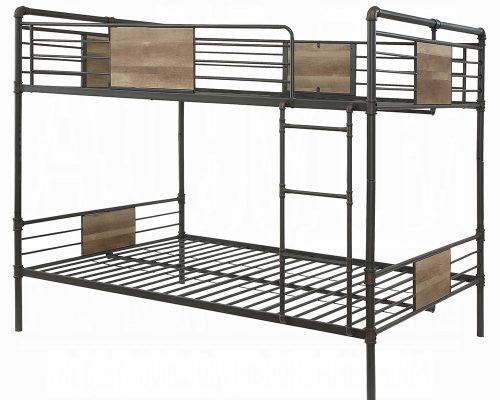
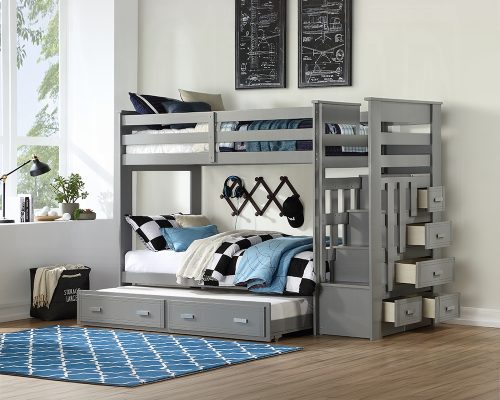
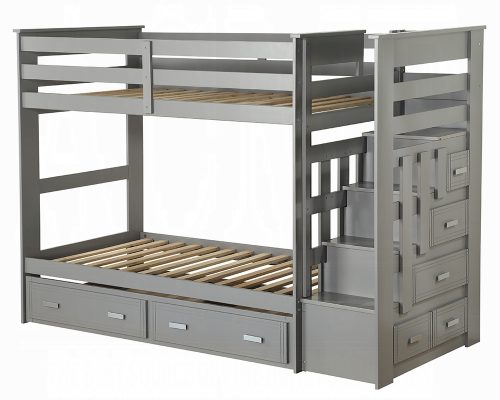
A bunk bed with storage typically includes built-in drawers or shelving within the frame itself, adding space for clothing or toys. A bunk bed with a trundle instead adds a second pull-out sleeping surface, prioritizing an extra bed over extra storage.
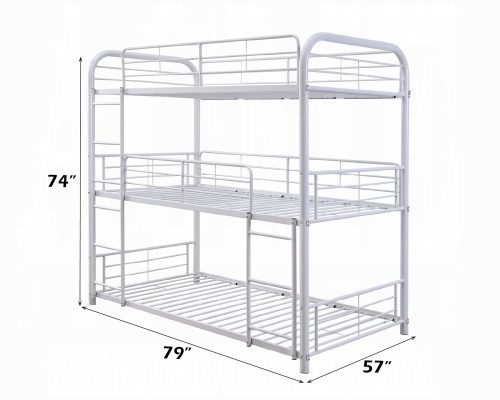
Guardrails on the top bunk, a secure and sturdy ladder, and confirmation that the mattress size matches the frame exactly (to avoid gaps a child could slip through) are the key things to check, along with the recommended minimum age from the manufacturer.
Prices span widely, from around $250 for a simple twin trundle up to nearly $2,600 for larger loft beds with built-in storage. Size, added storage or trundle features, and solid wood versus engineered wood construction are the main cost drivers.
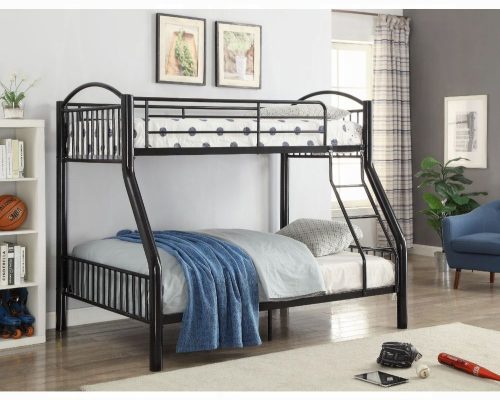
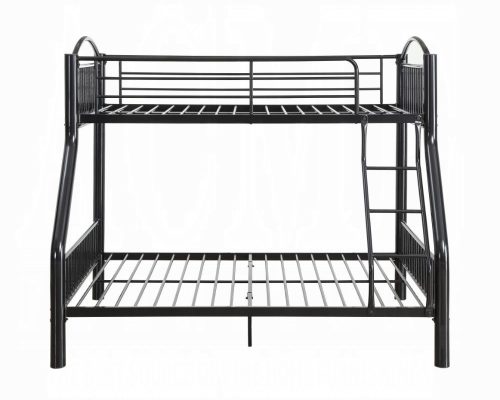
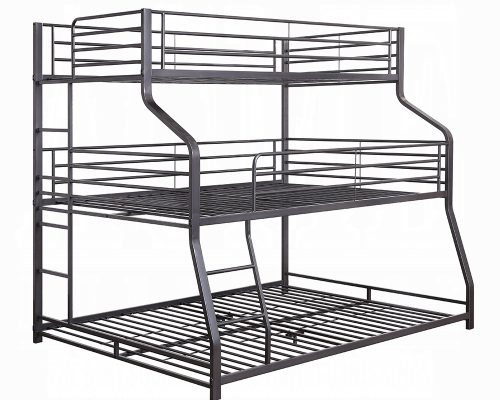
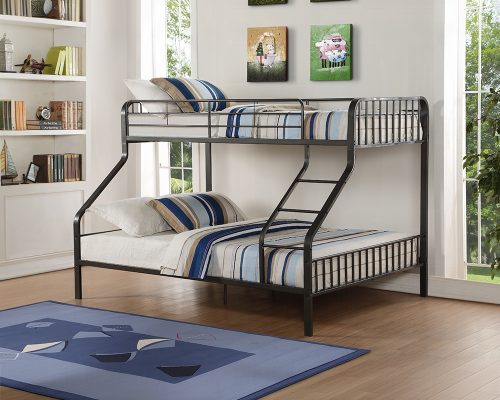
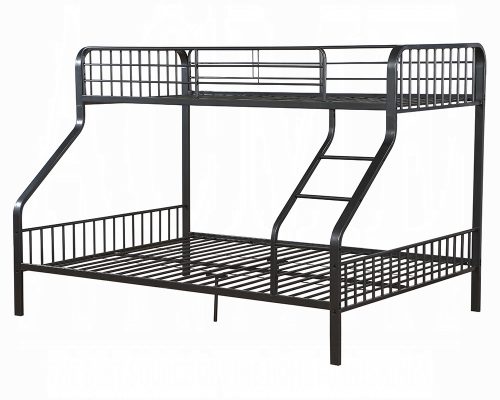
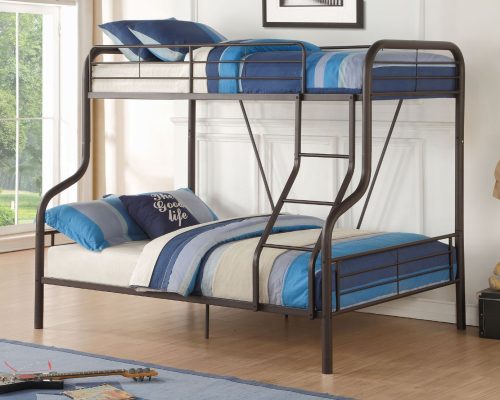
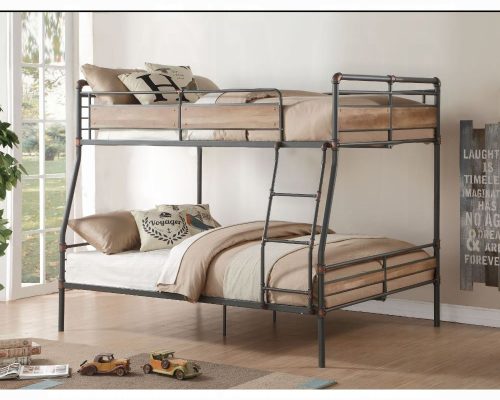
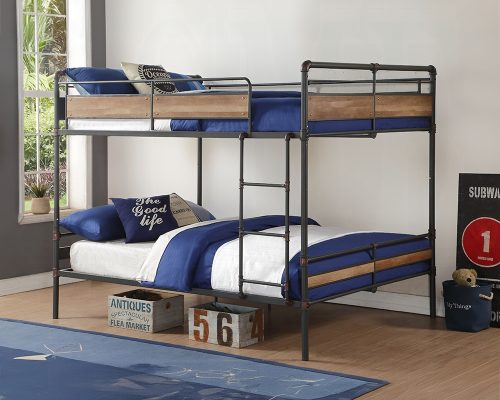
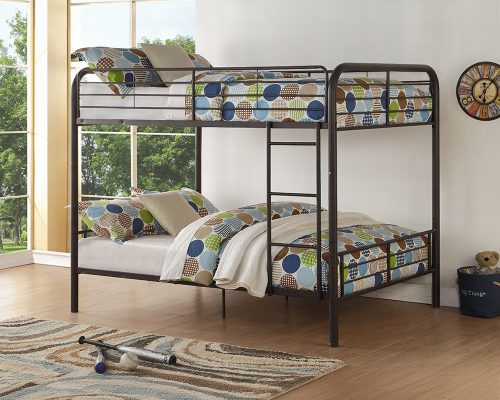
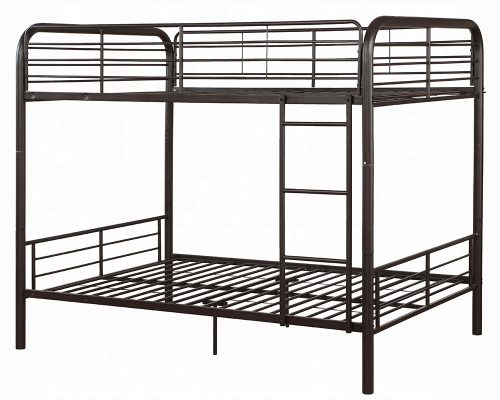
A twin/full bunk bed has a smaller twin mattress on top and a larger full mattress on the bottom, often chosen when an older child or the bottom bunk needs more room. A twin/twin bunk bed keeps both levels the same smaller size, which is common for younger siblings sharing a room.
Many bunk beds are designed to convert into two separate beds once a family no longer needs the stacked configuration, though this varies by model — it’s worth checking the specific product’s description to confirm before assuming this feature is included.
ACME makes up the majority of the selection, spanning a wide range of styles, sizes, and price points. Furniture of America and Intercon round out the collection with their own takes on bunk, loft, and standard kids’ bed designs.