
Armen Living
Armen Living
Armen Living
Armen Living
Armen Living
Armen Living
Frequently Asked Questions
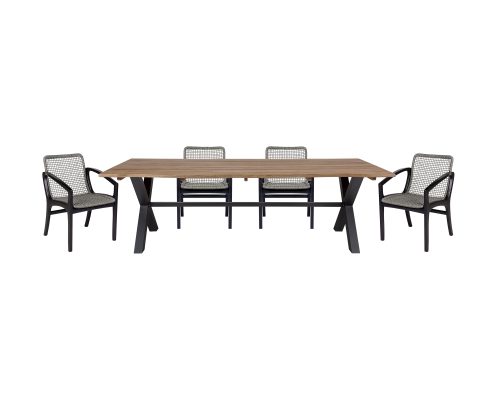
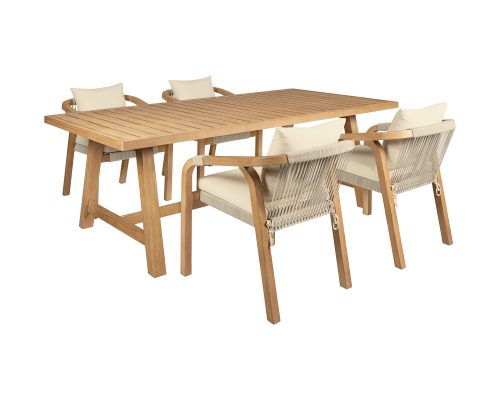
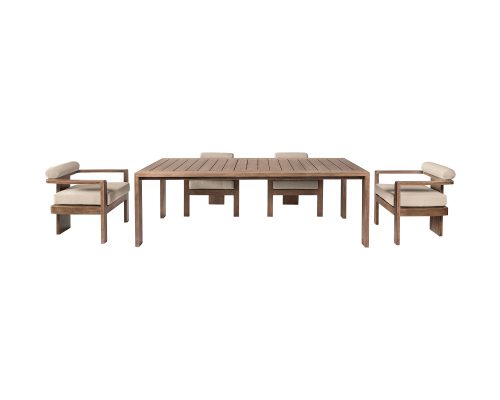
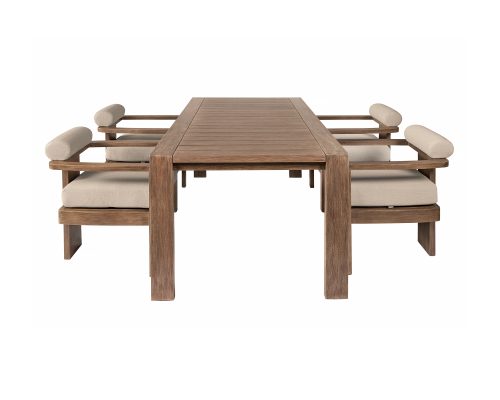
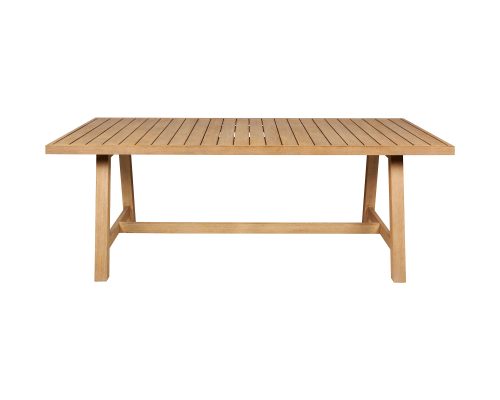
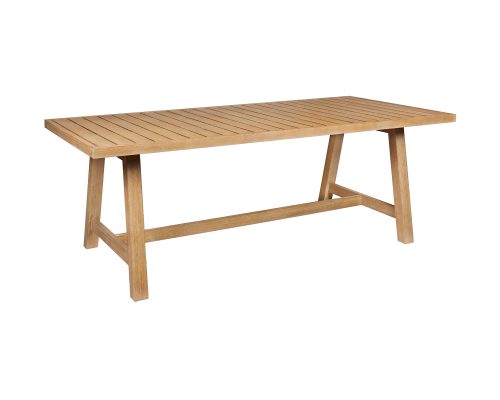
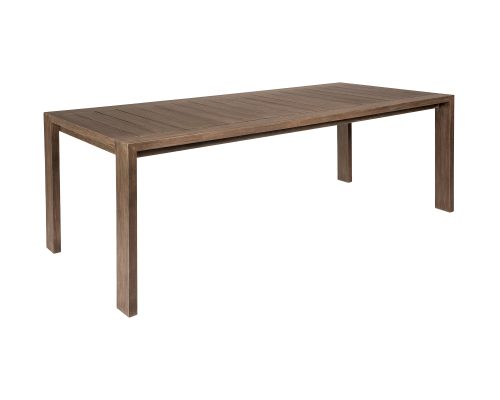
While buying a matching set is convenient, interior designers recommend mixing materials to achieve a curated, highly personalized aesthetic rather than a generic “showroom” look. Pairing a heavy, architectural solid teak dining table with textured woven resin, modern rope, or sleek cast aluminum chairs adds sophisticated contrast and depth to your outdoor space.
To ensure guests can comfortably slide their chairs out and walk behind seated diners, you must leave a minimum of 36 inches of clear space between the edge of the table and any wall, railing, or other furniture. For luxury, high-traffic patios, providing 42 to 48 inches of clearance on all sides is ideal.
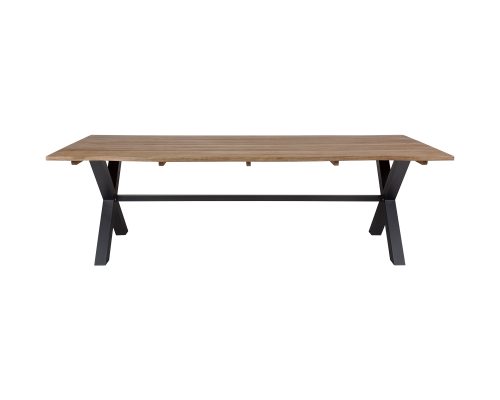
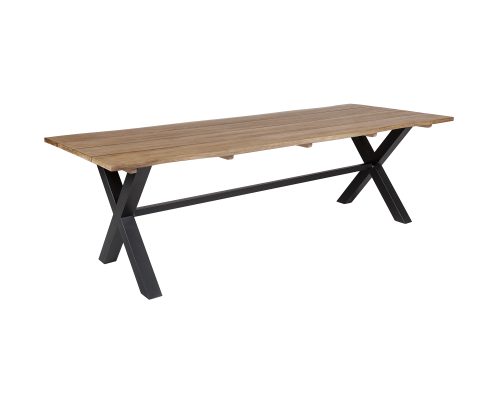
For long-term durability and structural integrity, solid teak, cast aluminum, and Glass Fiber Reinforced Concrete (GFRC) are the premier choices. Teak possesses natural oils that prevent rot; cast aluminum is incredibly heavy and impervious to rust; and GFRC offers the moody, industrial look of stone without the risk of winter cracking.
An outdoor rug must be large enough so that when chairs are pulled out, all four legs remain on the rug—otherwise, the chairs will constantly catch on the edge. A good rule of thumb is to buy a rug that is at least 24 to 30 inches wider and longer than your dining table on all sides.
No. While traditional patio tables usually feature a center umbrella hole, many contemporary and high-end outdoor dining tables omit it to maintain a seamless, architectural surface. If your table lacks a hole, the most elegant solution is to use a heavy-duty freestanding cantilever umbrella positioned to the side to cast shade over the dining area.
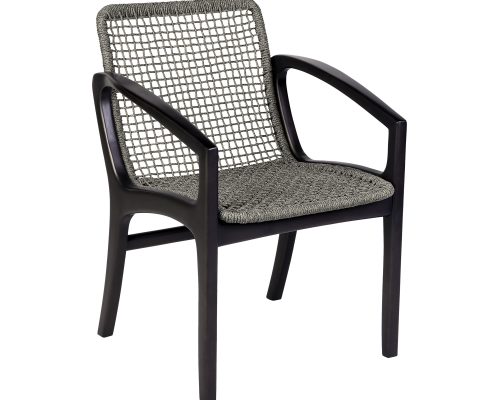
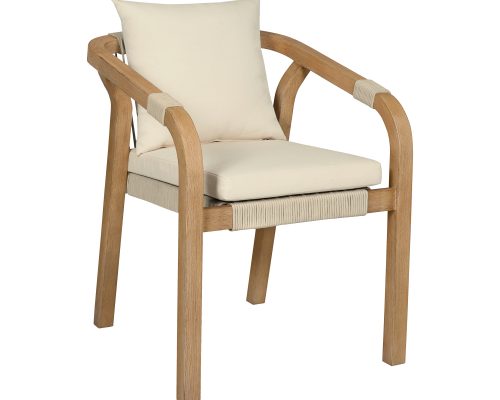
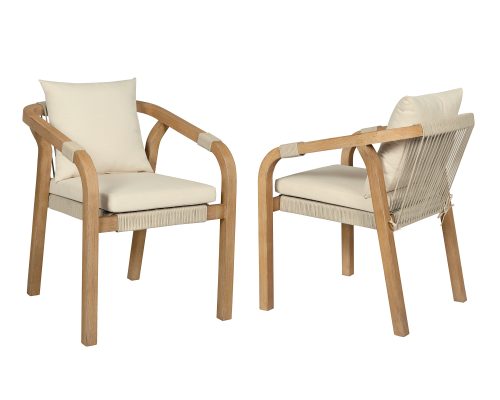
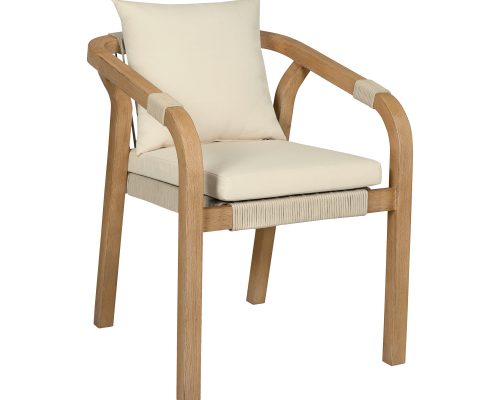
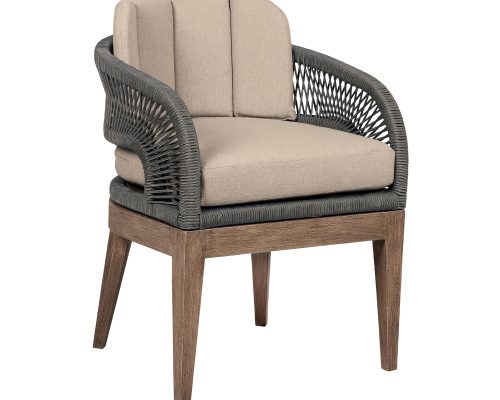
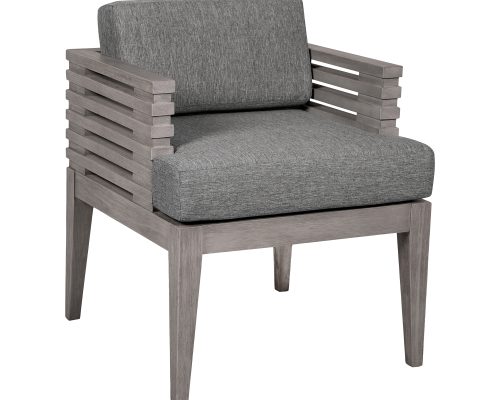
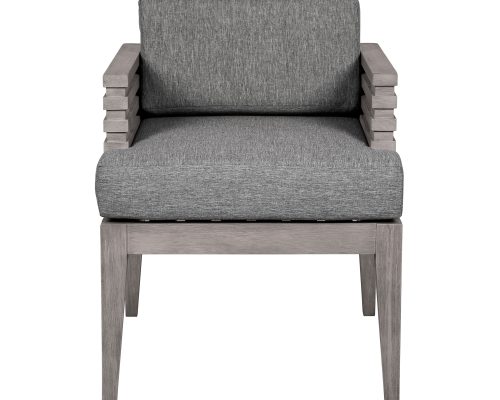
An outdoor dining armchair features raised armrests for enhanced comfort and lounging, while a side chair is armless. A classic, high-end styling technique is to place substantial, statement-making armchairs at the head and foot of the table, and use streamlined side chairs along the lengths to maximize seating capacity and maintain clean sightlines.
Premium outdoor extension tables typically utilize a “butterfly leaf” mechanism. The extension leaf is hidden and folded securely beneath the table’s surface. When you pull the ends of the table apart on their metal glides, the leaf unfolds and locks into place, allowing you to easily transition from seating six guests to ten without needing separate storage for the leaf.
High-quality outdoor dining cushions are designed with quick-drying, open-cell foam and covered in performance fabrics (like solution-dyed acrylic) that repel water and resist mildew. While they can handle rain, leaving them soaked continually will degrade the foam over time. It is best to tilt wet cushions on their sides so water drains quickly through the zipper seam.
No, aluminum is a non-ferrous metal, meaning it contains no iron and physically cannot rust. This makes premium cast aluminum dining furniture an exceptional, low-maintenance investment for coastal homes or areas with heavy rainfall, as the coastal salt air will not compromise the frame’s integrity.
It is not required. If left untreated, investment-grade teak will naturally and gracefully weather to a highly sought-after silvery-grey patina, which perfectly complements coastal and transitional aesthetics. If you prefer the original honey-brown wood tone, you must apply a specialized UV teak sealer (not standard teak oil) annually.