
Furniture of America

Furniture of America
Furniture of America
Furniture of America

Furniture of America
Furniture of America
Furniture of America
Furniture of America
Furniture of America
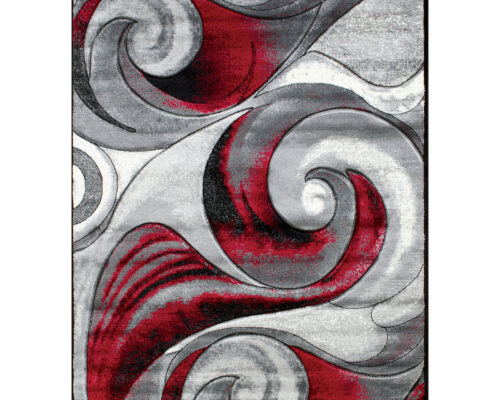
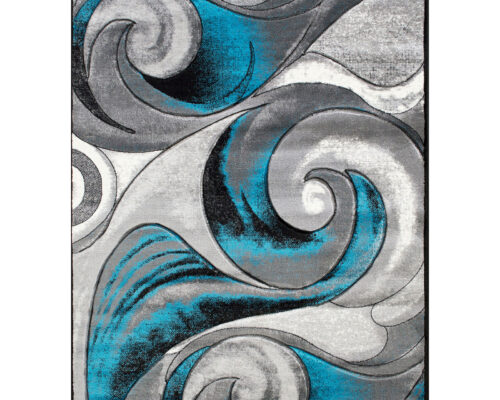
Furniture of America
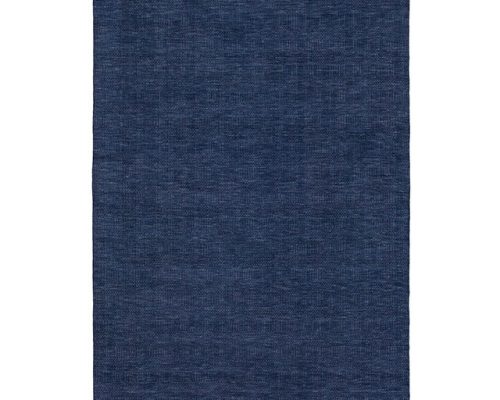
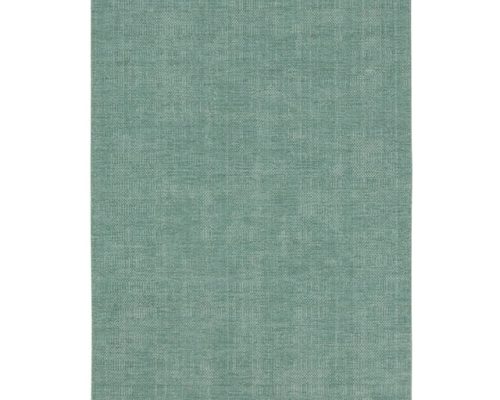
Furniture of America
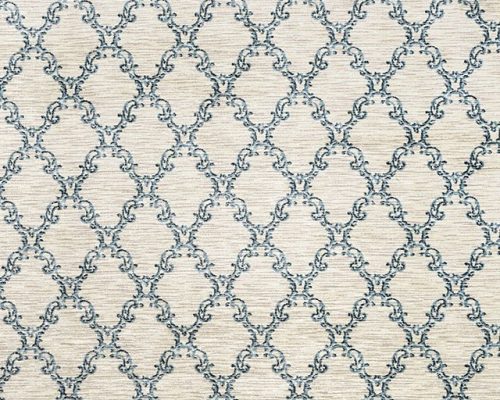
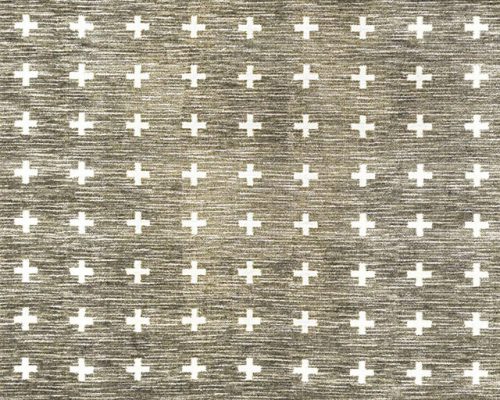
Furniture of America
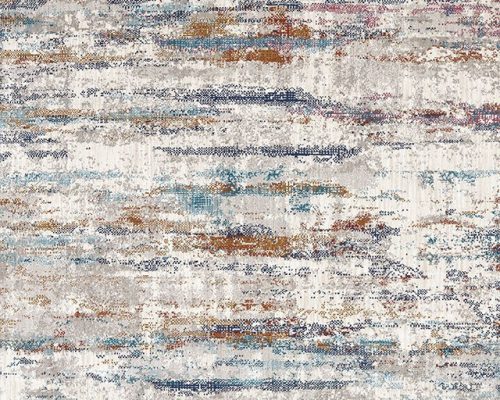
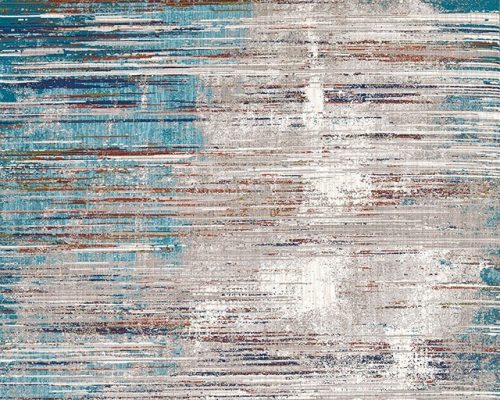
Furniture of America
Furniture of America


Furniture of America
Furniture of America
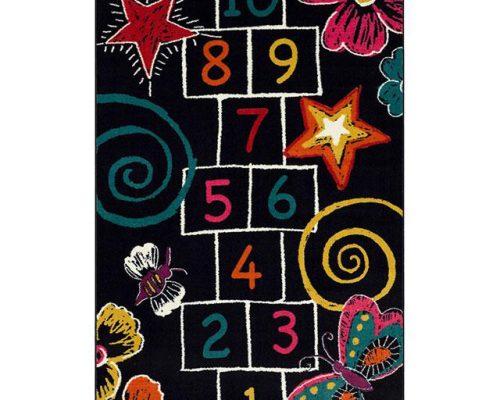
Furniture of America Baron 5′ X 8′ Hopscotch Area Rug – Multi/Black
Furniture of America
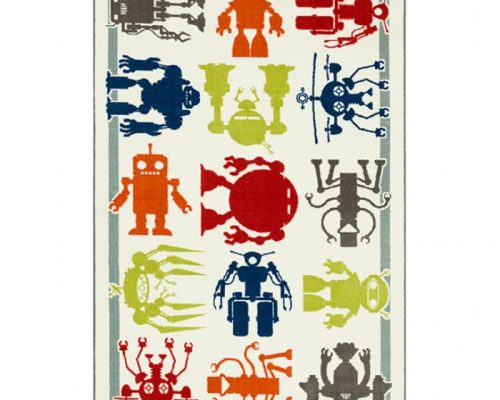
Furniture of America Baron 5′ X 8′ Robots Area Rug – Multi/Ivory

Furniture of America
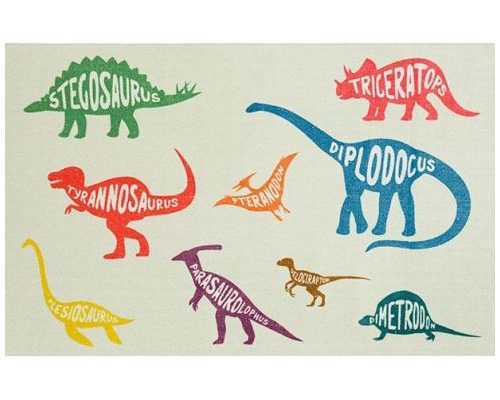
Furniture of America Baron 5′ X 8′ Dinos Area Rug – Multi/Beige

Furniture of America
Furniture of America Baron 5′ X 8′ Horse Area Rug – Sage Green/Fuchsia
Furniture of America
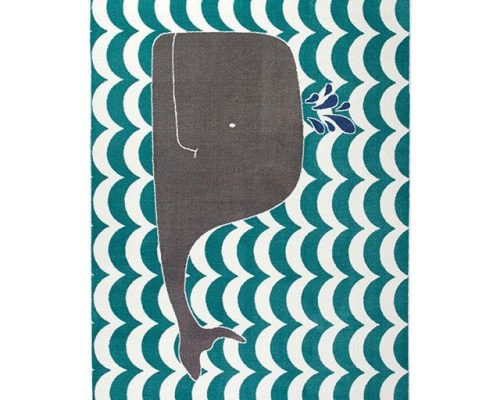
Furniture of America Baron 5′ X 8′ Whale Area Rug – Teal/Gray

Furniture of America
Furniture of America Baron 5′ X 8′ Elephant Area Rug – Yellow/Gray
Oriental Weavers
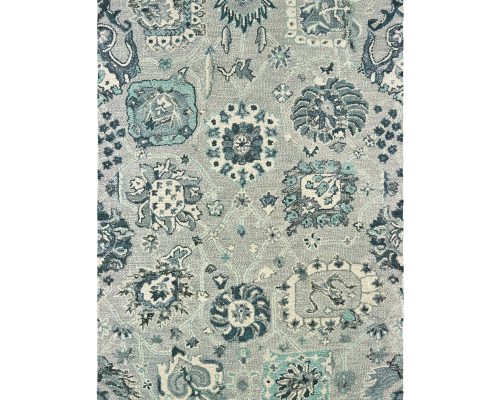
Oriental Weavers Zahra Casual Floral 75508 Grey/ Blue Rectangle Rug
Frequently Asked Questions
A common rule of thumb is to leave 12–18 inches of bare floor between the rug’s edge and the wall. For most living rooms that means a 5′ x 8′ or 8′ x 10′ rug — large enough that the front legs of your sofa and chairs can sit on it, which visually anchors the seating area instead of making it look like the rug is floating.
Hand-tufted rugs are made by punching wool yarn through a fabric backing with a tufting gun, then gluing and trimming it — faster to produce and generally more affordable. Hand-woven rugs are created on a loom thread by thread, which usually means a denser pile, a reversible or near-reversible design, and a higher price point. Both styles are available here, including hand-tufted and hand-woven wool options from Park Hill.
The most common sizes across the collection are 5′ x 7′, 5′ x 8′, 6′ x 9′, 7’10” x 10′, and 8′ x 10′, with some designs offered in multiple sizes so you can size up or down within the same pattern.
Most of the collection is designed for indoor use, but a handful of pieces — like the Park Hill Indoor/Outdoor Geometric Stripe Rug — are built to handle moisture and UV exposure. If you need a rug specifically rated for a patio or covered porch, it’s worth checking our dedicated indoor/outdoor performance rug category as well, since it’s built around that use case.
Area rugs here come from three brands: Furniture of America (contemporary, pattern-forward designs), Oriental Weavers (traditional and floral styles), and Park Hill (hand-woven and hand-tufted wool rugs, including higher-end loomed pieces).
Contemporary rugs tend to feature abstract shapes, geometric patterns, or solid gradients in bold color combinations — think the Furniture of America collection. Traditional rugs lean on classic motifs like florals, medallions, and Persian-inspired patterns, usually in richer, more muted color palettes — the territory Oriental Weavers covers well.
Start with your largest fixed element — a sofa, sectional, or floor color — and pick a rug that either matches its undertone (warm vs. cool) or provides deliberate contrast. With dozens of colorways available, from solid neutrals like Ivory and Charcoal to multicolor patterns, it helps to narrow by your room’s dominant tone first rather than browsing the full palette.
Material and construction drive most of the price difference. A machine-made contemporary rug in polypropylene or a wool blend will typically cost less than a hand-tufted or hand-woven 100% wool rug — the loomed Park Hill pieces, for example, run well into the $700–$1,300+ range because of the labor and material involved.
Wool rugs are naturally stain- and soil-resistant and hold up well to years of use, but they generally need professional cleaning rather than a home carpet cleaner, and they’re not the best choice for consistently damp areas. Synthetic and contemporary rugs are usually easier to spot-clean and more forgiving in high-moisture or high-traffic spots.
This particular category is focused on rectangular area rugs, though a few designs (like the Park Hill Nuevo pattern) are offered in shapes beyond standard rectangles. For a dedicated round rug selection, check our Round Rugs category instead.